Earth Day Trash Audit: Weigh and Graph a Day of Waste
Overview
Weigh a day of family trash and graph it.
Description
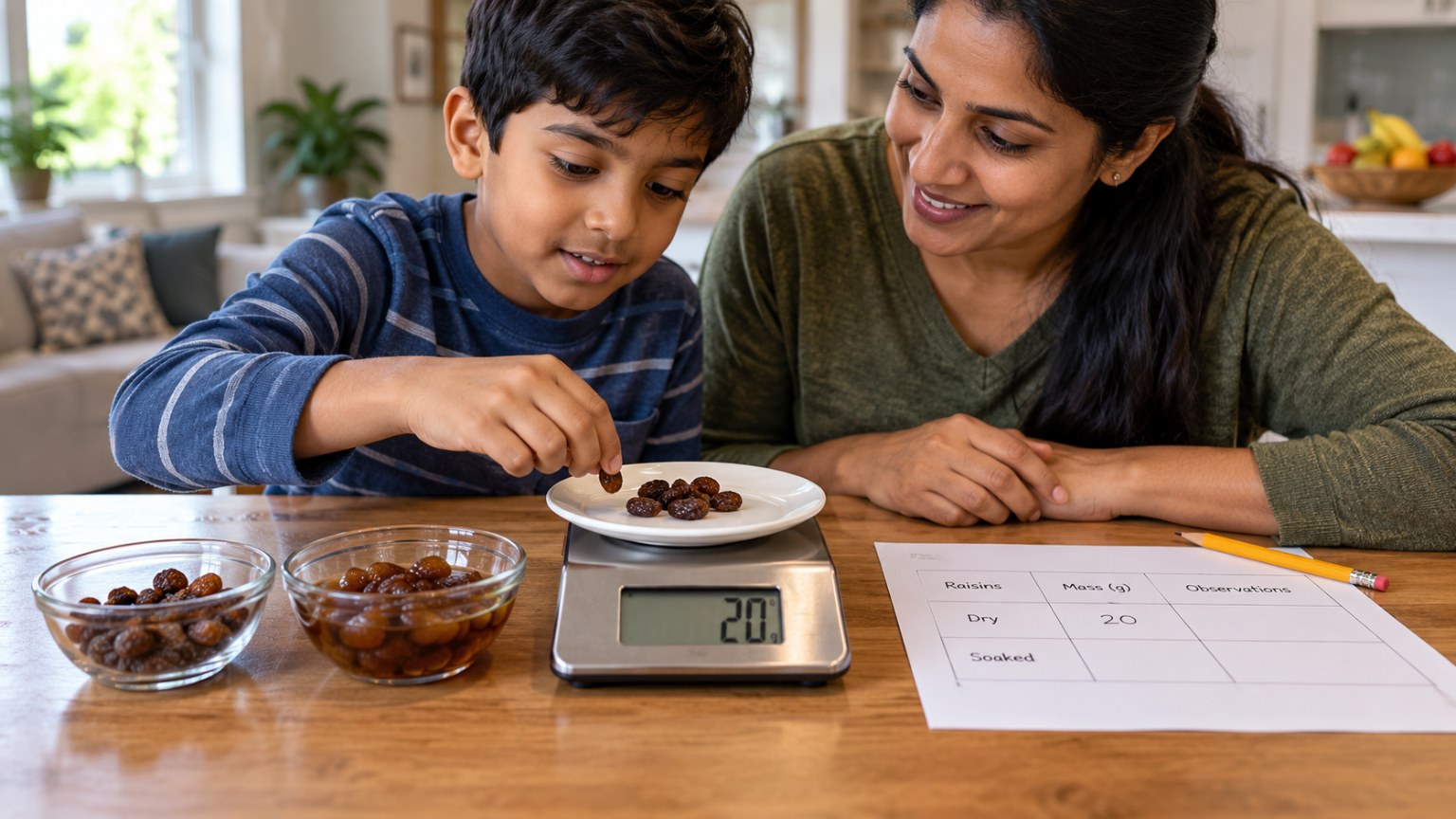
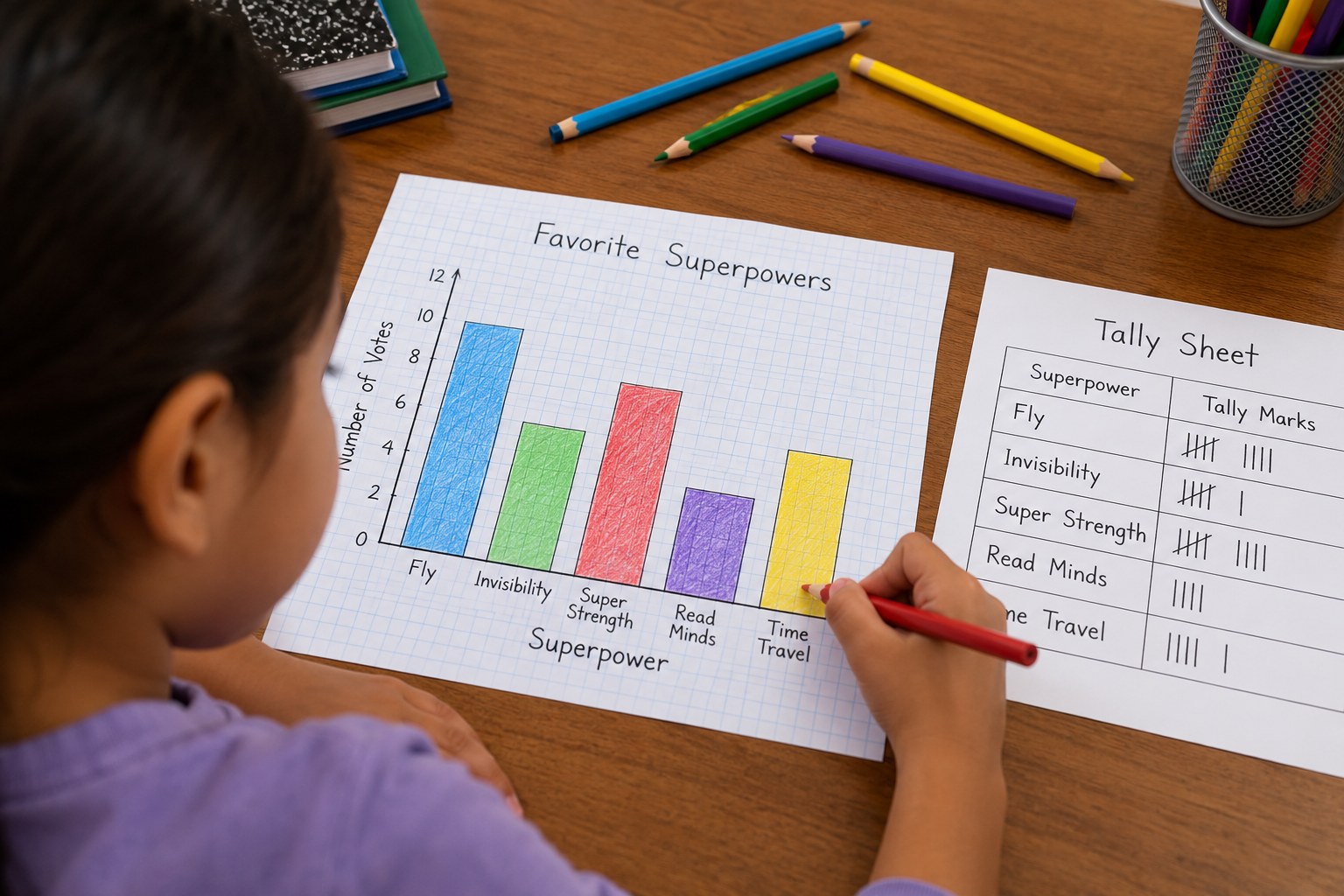
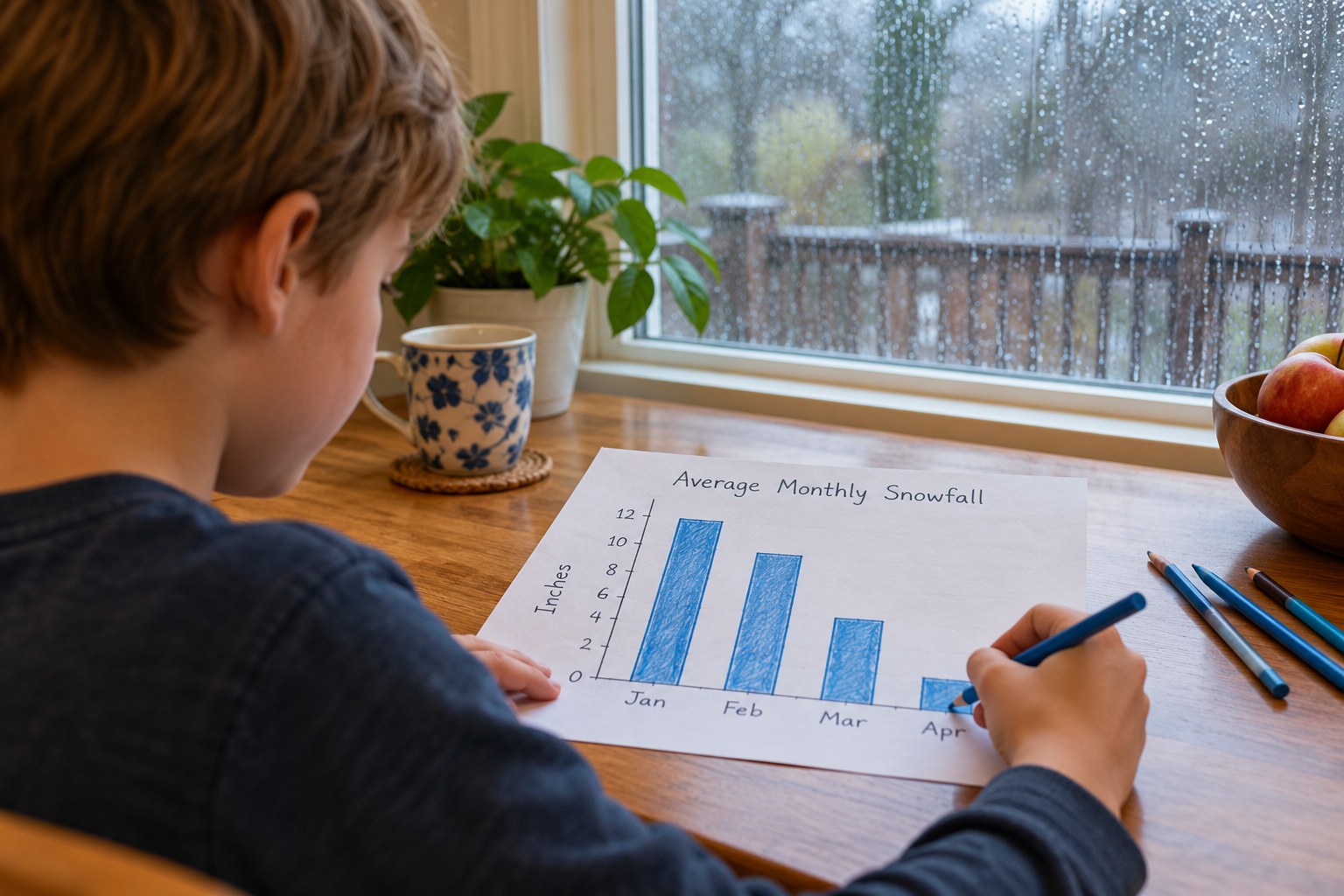
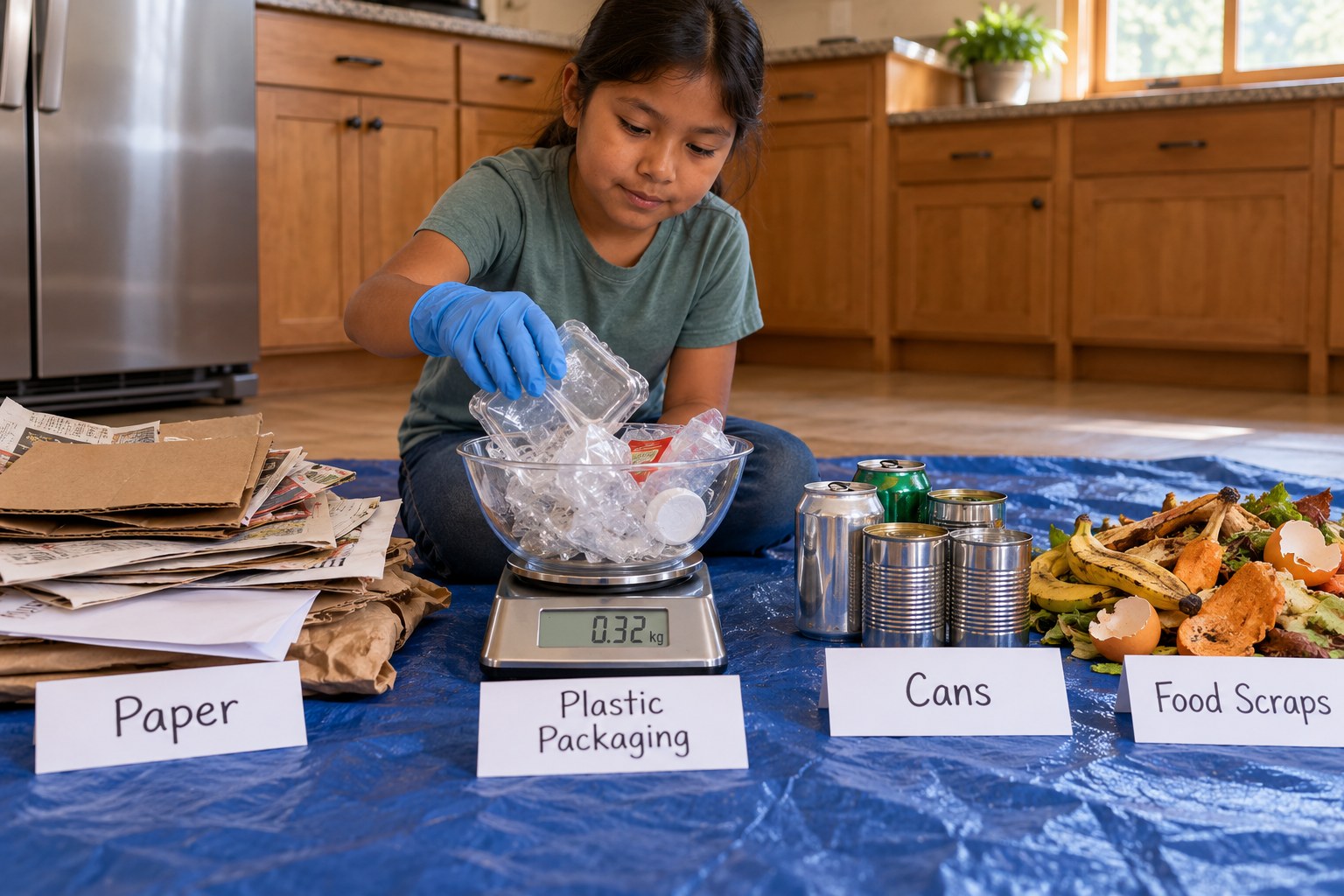
Your child sorts one day of the family's clean, dry waste into categories, weighs each pile in grams on a kitchen scale, makes a scaled bar graph, and uses it to pick one Earth Day change the family can make.
Objective
Your child will measure masses in grams, draw a scaled bar graph of the data, and solve how-many-more and how-many-less problems to choose a way to reduce waste.
Standards
Materials
| Item | Quantity |
|---|---|
| One day of household waste that is clean and dry (paper, packaging, plastic, cans, plus any food scraps in a sealed bag) | 1 day's worth |
| Kitchen scale that measures grams | 1 |
| Disposable gloves | 1 pair per person |
| Old sheet, tarp or newspaper to sort on | 1 |
| Bowl or bag to hold items on the scale | 1 |
| Grid or graph paper, pencil and colored pencils | 1 set per child |
Vocabulary
Preparation
- For one day, ask everyone to put their waste in one bag instead of separate bins, keeping wet food scraps in a sealed bag. Skip bathroom trash, diapers, broken glass and anything sharp.
- Spread out the tarp or sheet and set the kitchen scale nearby. Zero the scale with the empty bowl on it.
Introduction
Hold up the bag and ask your child to guess how much it weighs and which kind of trash will be the heaviest. On Earth Day, schools and cities do waste audits just like this to find out where their trash comes from.
What do you think our family throws away the most?
Where does our trash go after the truck picks it up?
Steps
Conclusion
Ask: which category was heaviest and was your prediction right? Do the audit again in two weeks to see whether the family's change made the bar shorter.
Make your own lesson plan in minutes
Describe a topic and Resource Portal AI writes the objectives, materials and steps for your group.
Try Resource Portal AI