Lesson planEvidence Bag Clue Sort: Detective Categories and Tallies
Math30 minutesGrades: K, 1st
Overview
Sort a detective's evidence bag and count each group.
Description
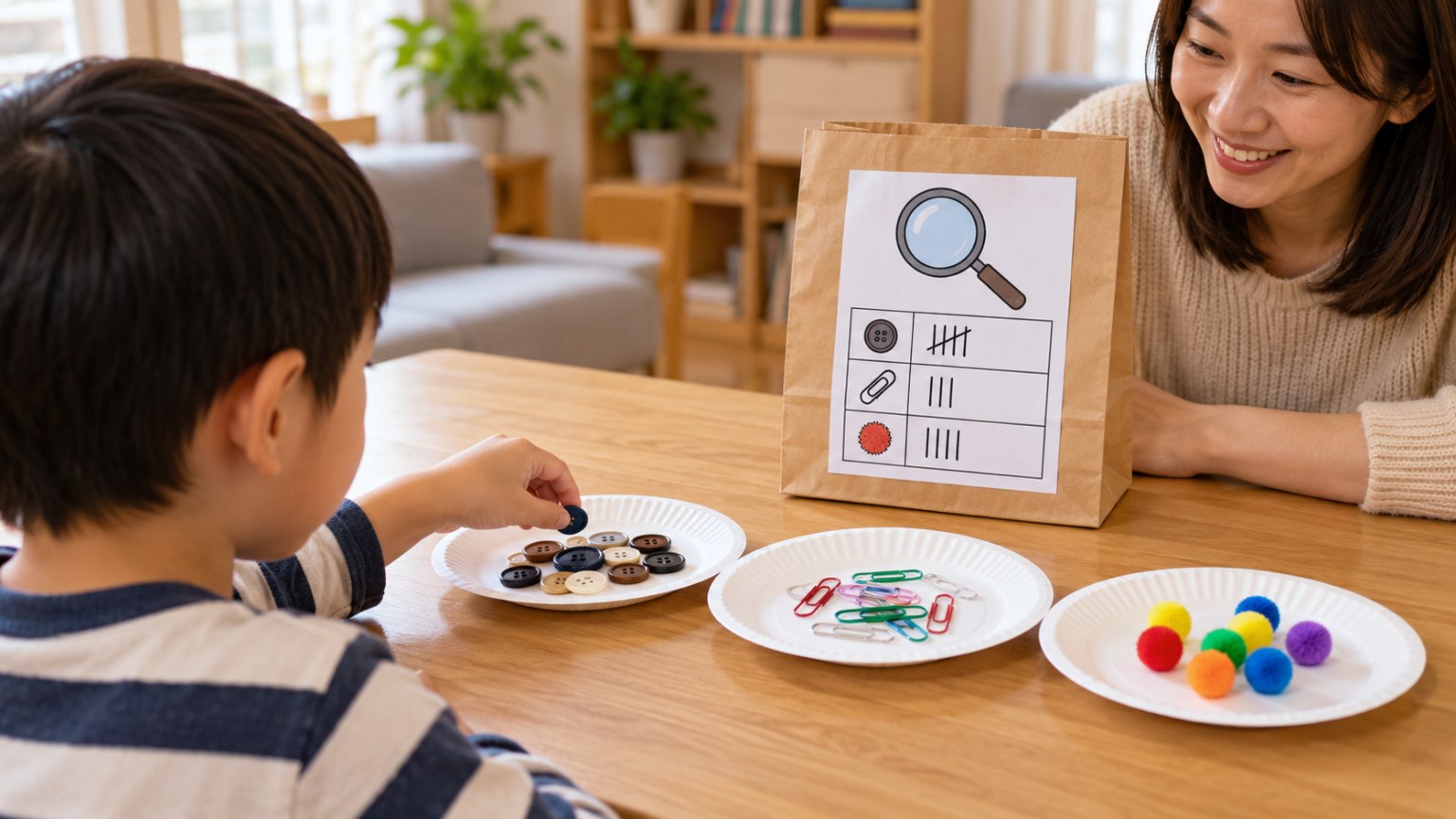
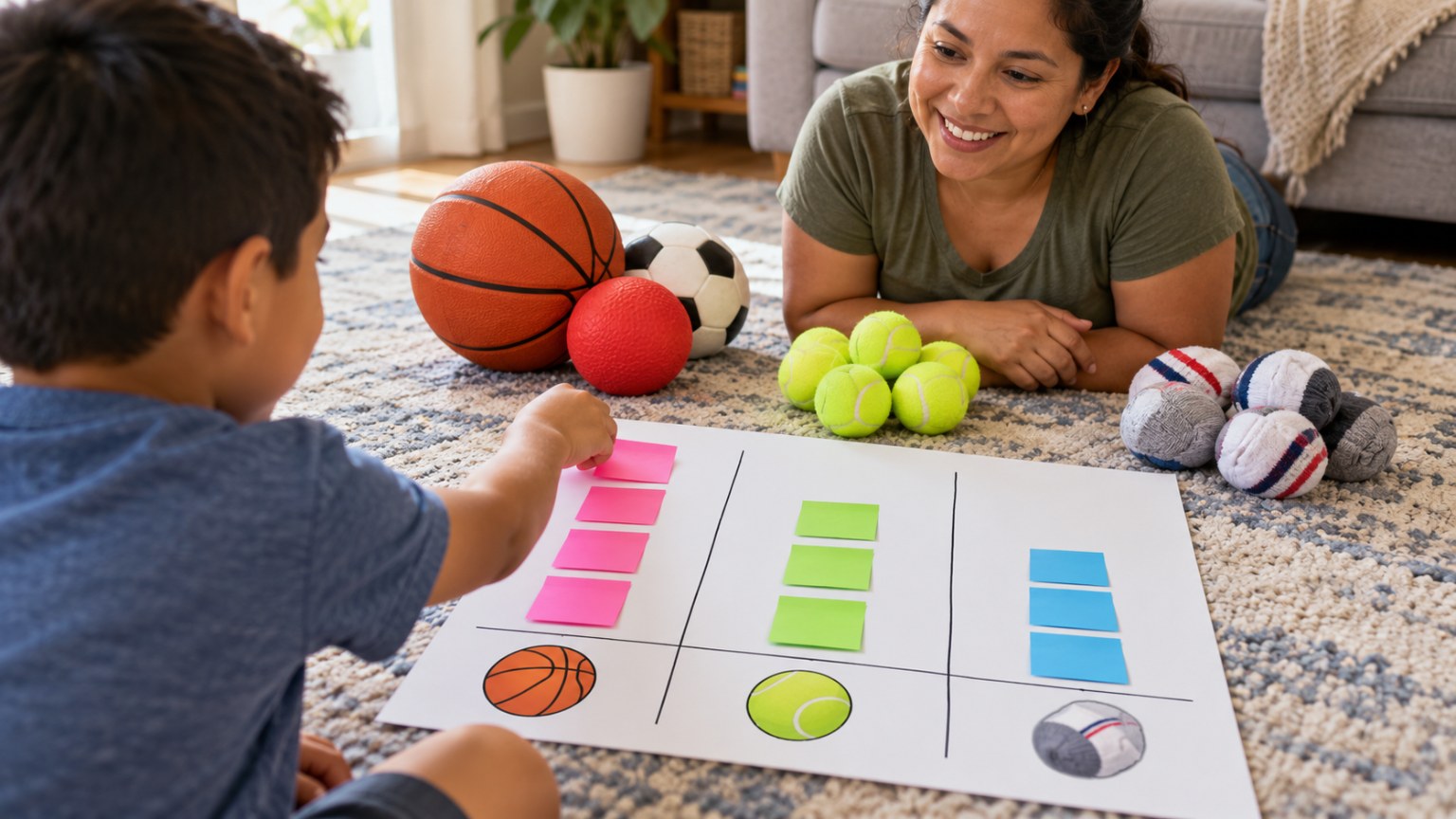
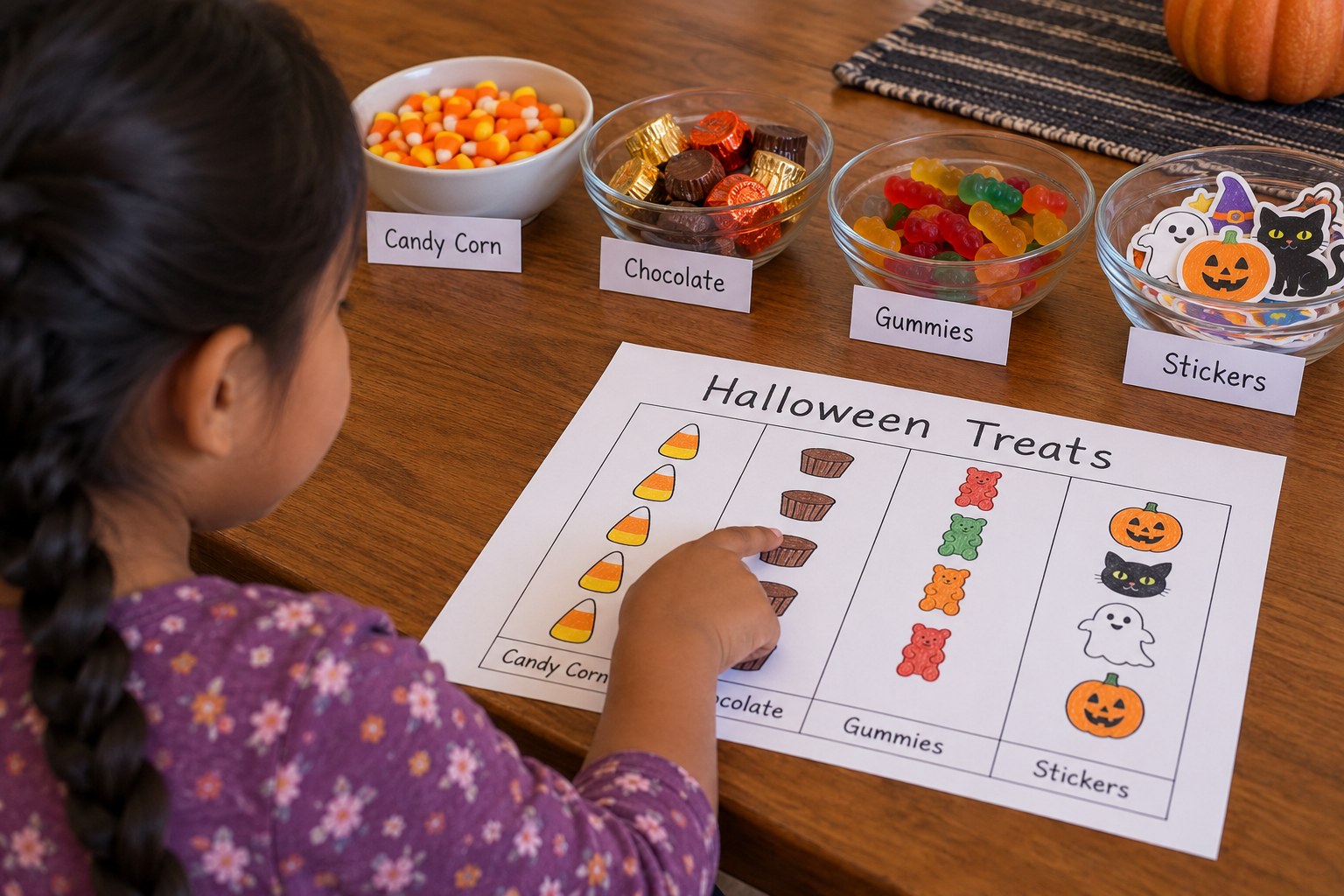
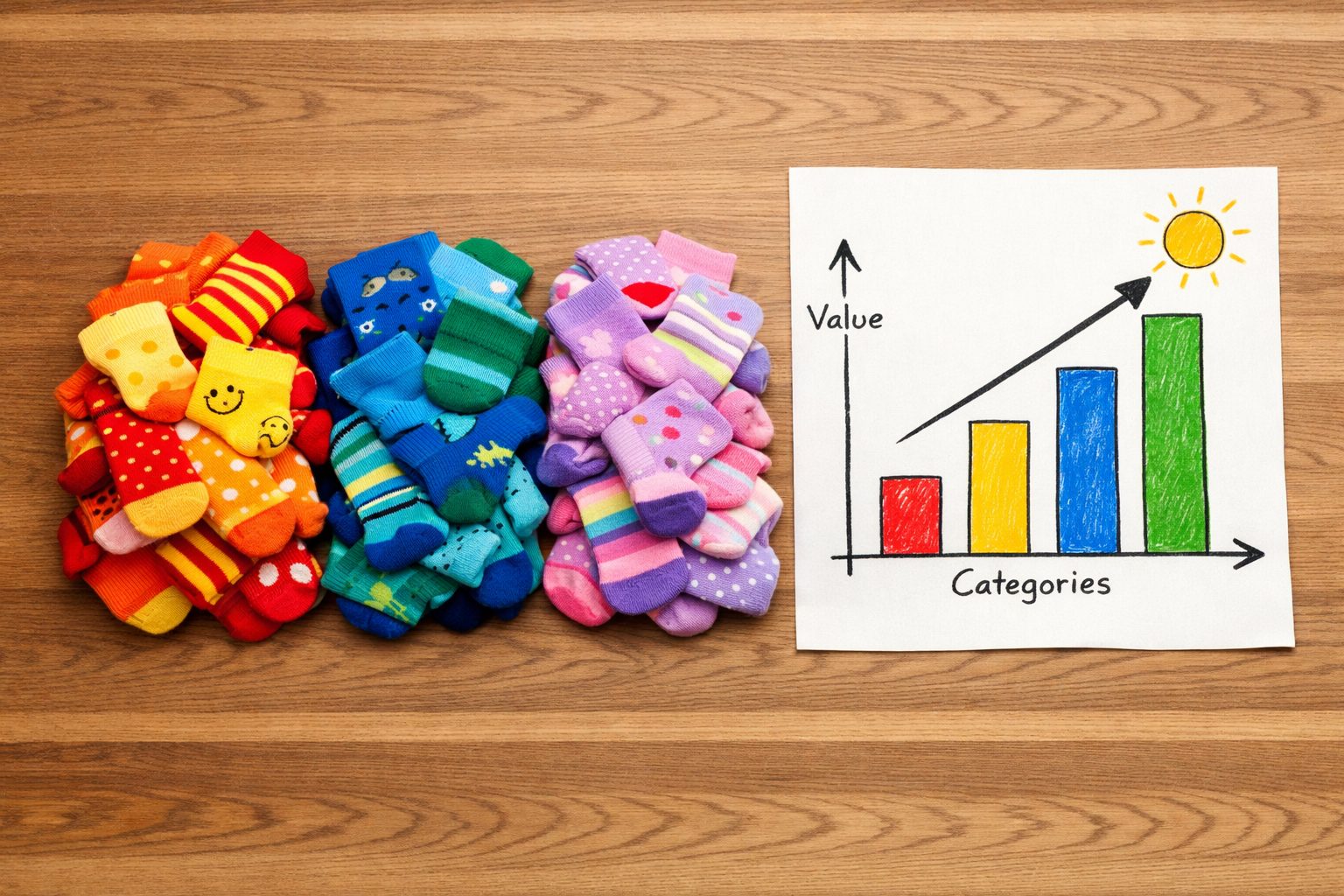
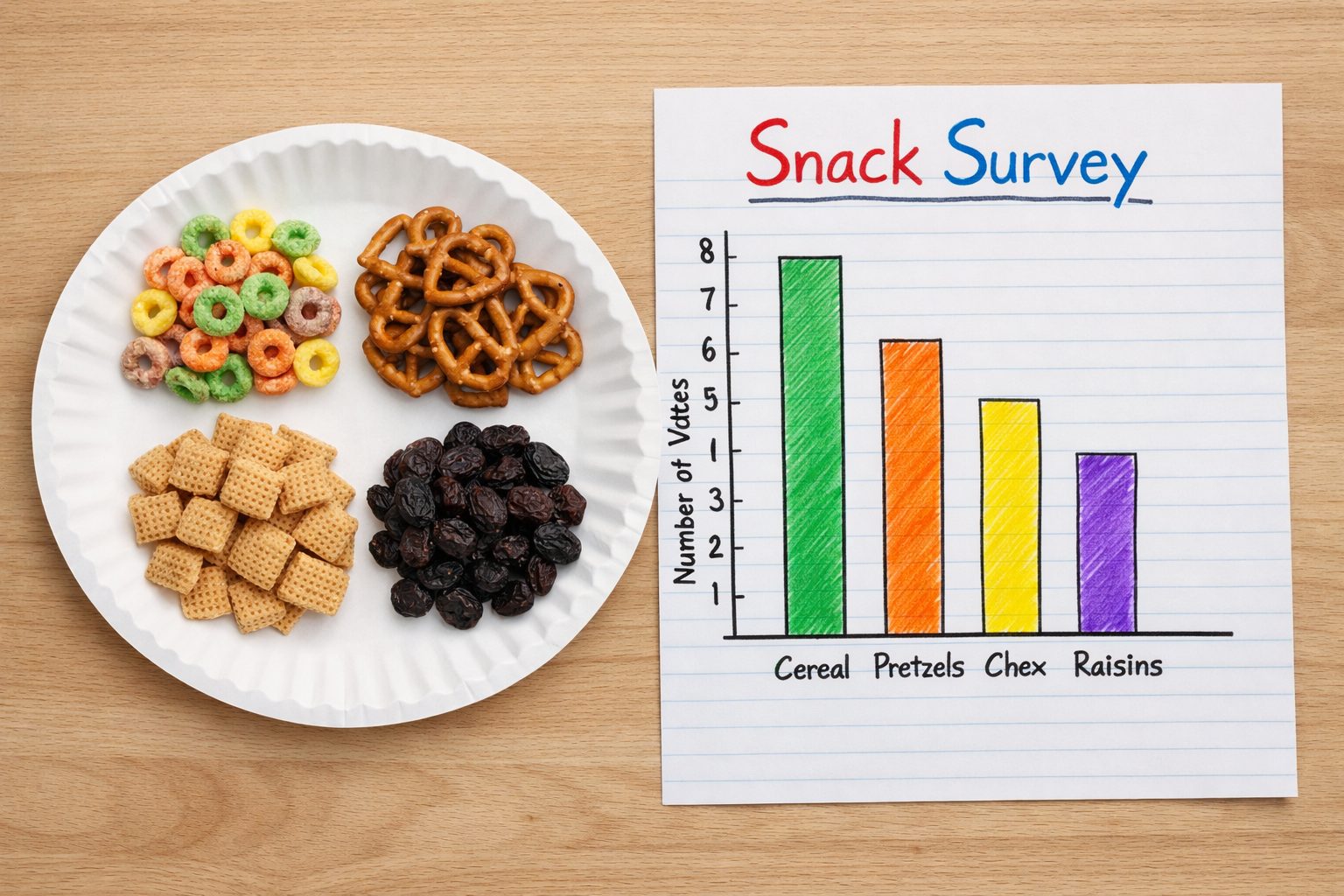
Your child empties a pretend detective evidence bag of 15 to 20 household clues, sorts them into categories (by color, material or size), counts each group, records tallies and answers how many more and how many in all.
Objective
Your child will sort objects into categories, count how many are in each category, and compare the groups using tally marks.
Standards
1.MD.4Math · Grade 1 · Measurement & Data Organize, represent, and interpret data with up to three categories; ask and answer questions about the total number of data points, how many in each category, and how many more or less are in one category than in another.
K.MD.3Math · Grade K · Measurement & Data Classify objects into given categories; count the numbers of objects in each category and sort the categories by count.
Materials
| Item | Quantity |
|---|
| Zip-top bag or paper bag labeled EVIDENCE | 1 per child or group |
| Mixed small household items: buttons, crayons, paper clips, coins, leaves, bottle caps, pom-poms, small blocks | 15-20 |
| Paper plates or bowls for sorting | 3-4 |
| Paper and pencil for a tally chart | 1 each |
Vocabulary
Category
A group of things that are alike in some way.
Sort
To put things into groups.
Tally mark
A line used to count; every fifth line crosses the other four.
Evidence
Things a detective collects to help solve a mystery.
Preparation
- Fill the evidence bag with 15 to 20 objects that can be sorted more than one way (for example by color and by material).
- Draw a tally chart with 3 rows and room for labels.
Introduction
Hand your child the evidence bag and say: Detective, the lab is waiting! We need to sort this evidence so we can study it.
What groups could we sort these into?
How can we keep track of how many are in each group?
Steps
1Step 1
Open the evidence bag
(4 min) Your child pours out the objects and looks at them closely. Ask them to name 3 ways the clues are alike or different, such as color, size or what they are made of.
2Step 2
Sort by one rule
(8 min) Choose one sorting rule together, like metal, plastic and other. Your child places each object on the right plate, explaining their choice for any tricky ones.
3Step 3
Count and tally
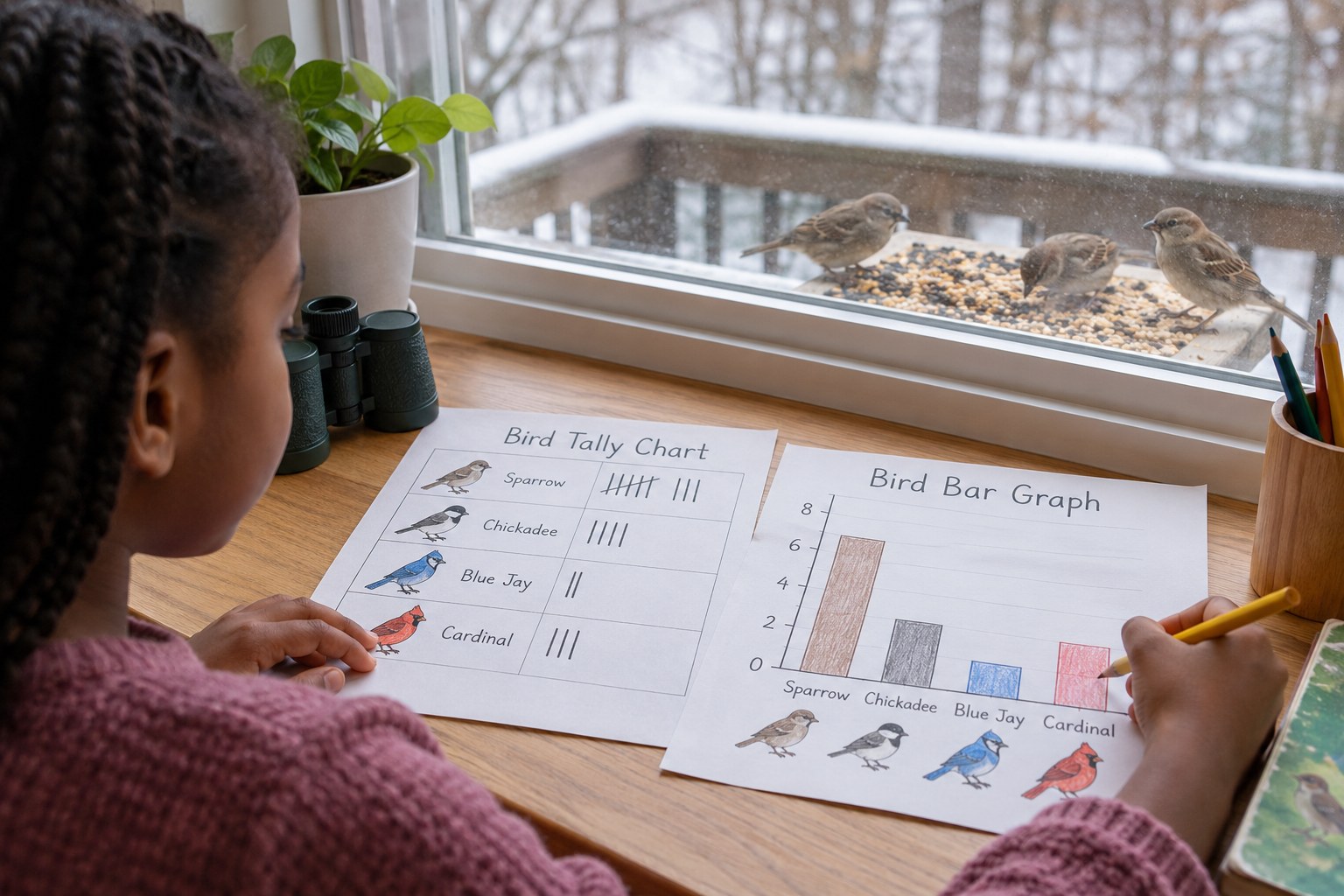
(8 min) Your child counts each group, touching each object once, and makes tally marks on the chart. Show how the fifth tally crosses the first four.
4Step 4
Compare the groups
(5 min) Ask: which group has the most? The fewest? How many more are in the biggest group than the smallest? How many objects in all?
5Step 5
Sort a new way
(4 min) Mix everything up and sort by a new rule, like color. Ask: did the number of groups change? Did the total change?
Conclusion
Ask: why do detectives sort their evidence? Sorting and counting help us see what we have and find what is important.
Make your own lesson plan in minutes
Describe a topic and Resource Portal AI writes the objectives, materials and steps for your group.
Try Resource Portal AI