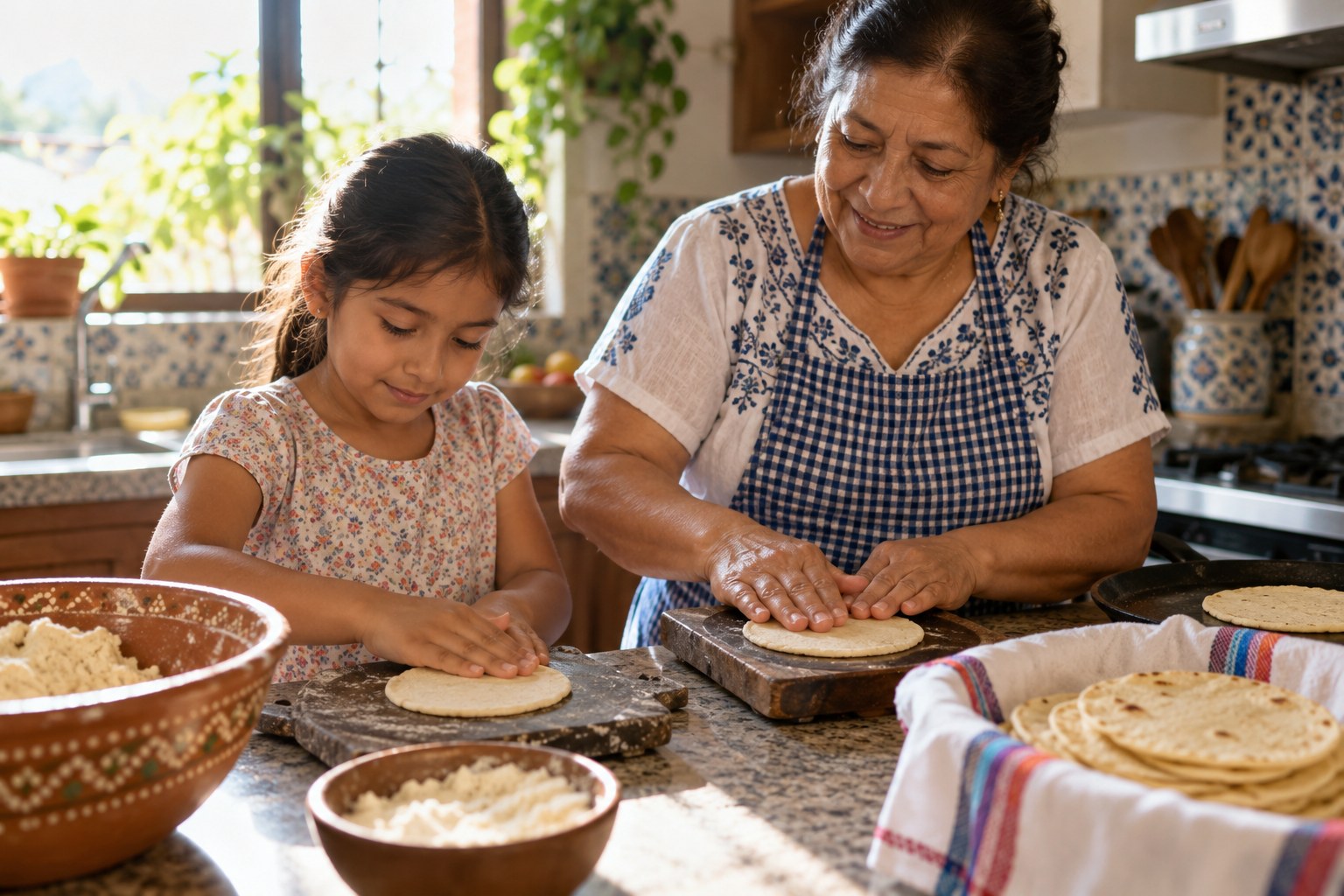
Human Body Digestion Starts in Your Mouth: Cracker Chew Test and Homemade Crackers
Overview
Taste digestion at work, then bake your own crackers.
Description
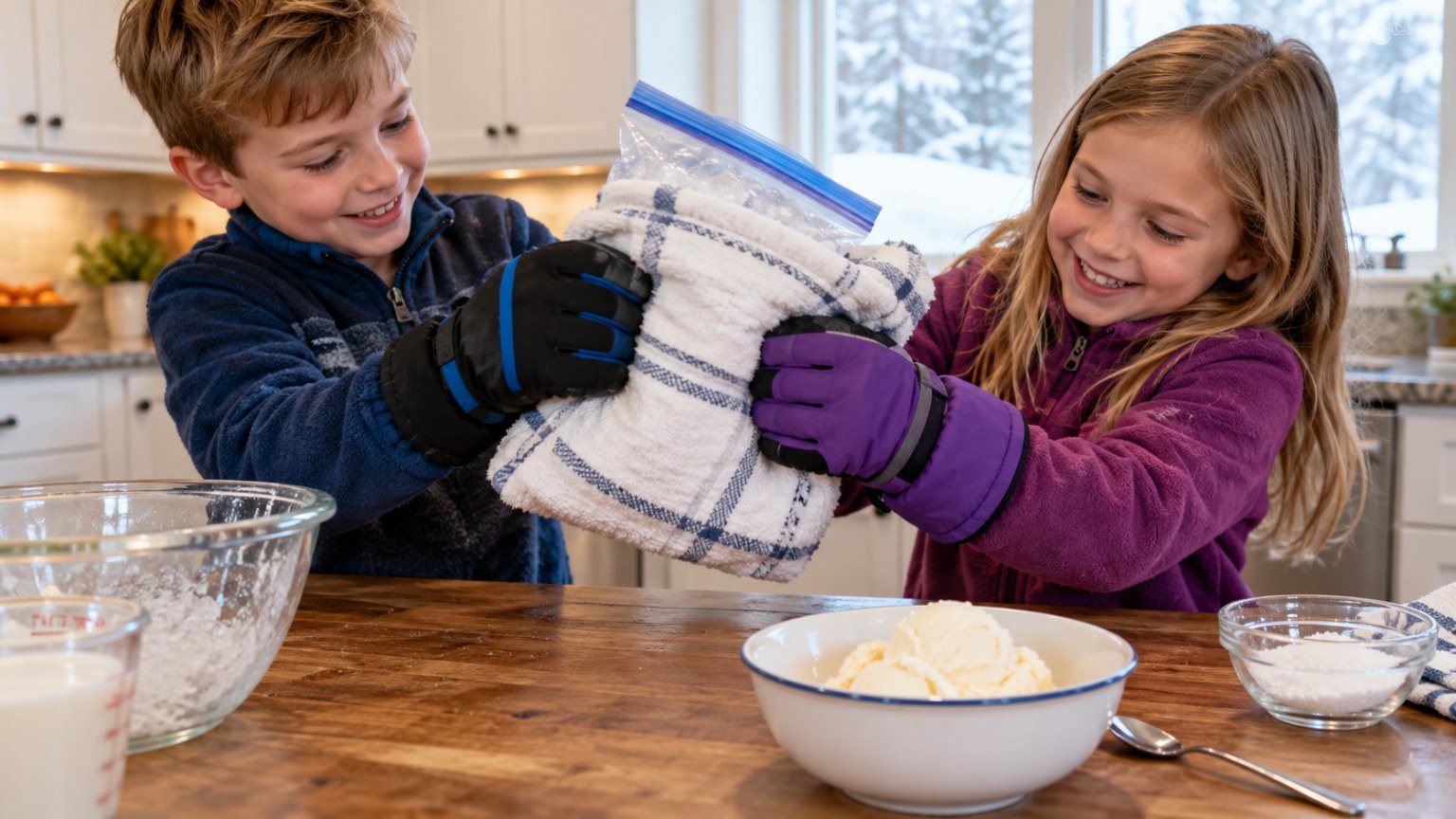
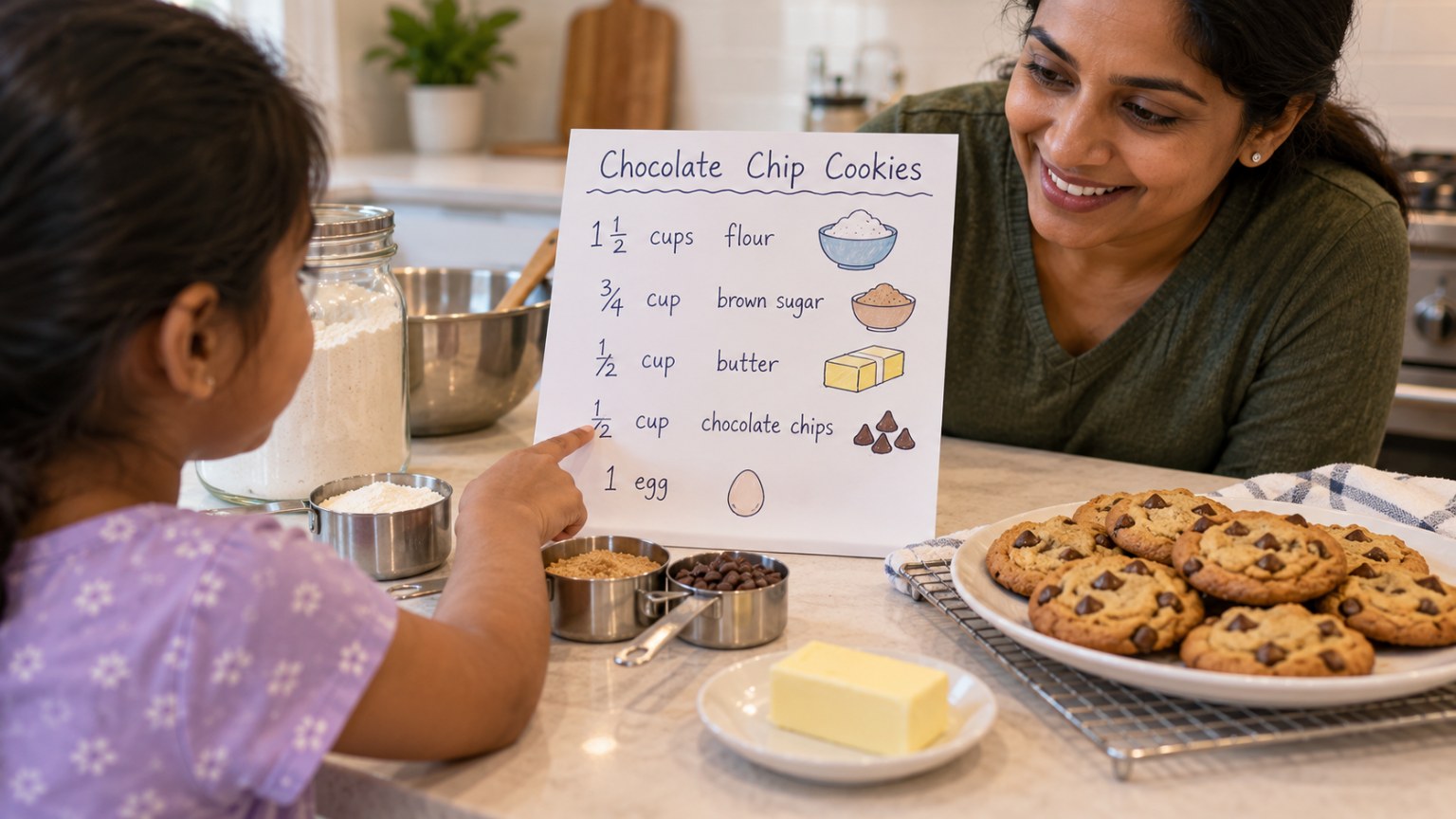
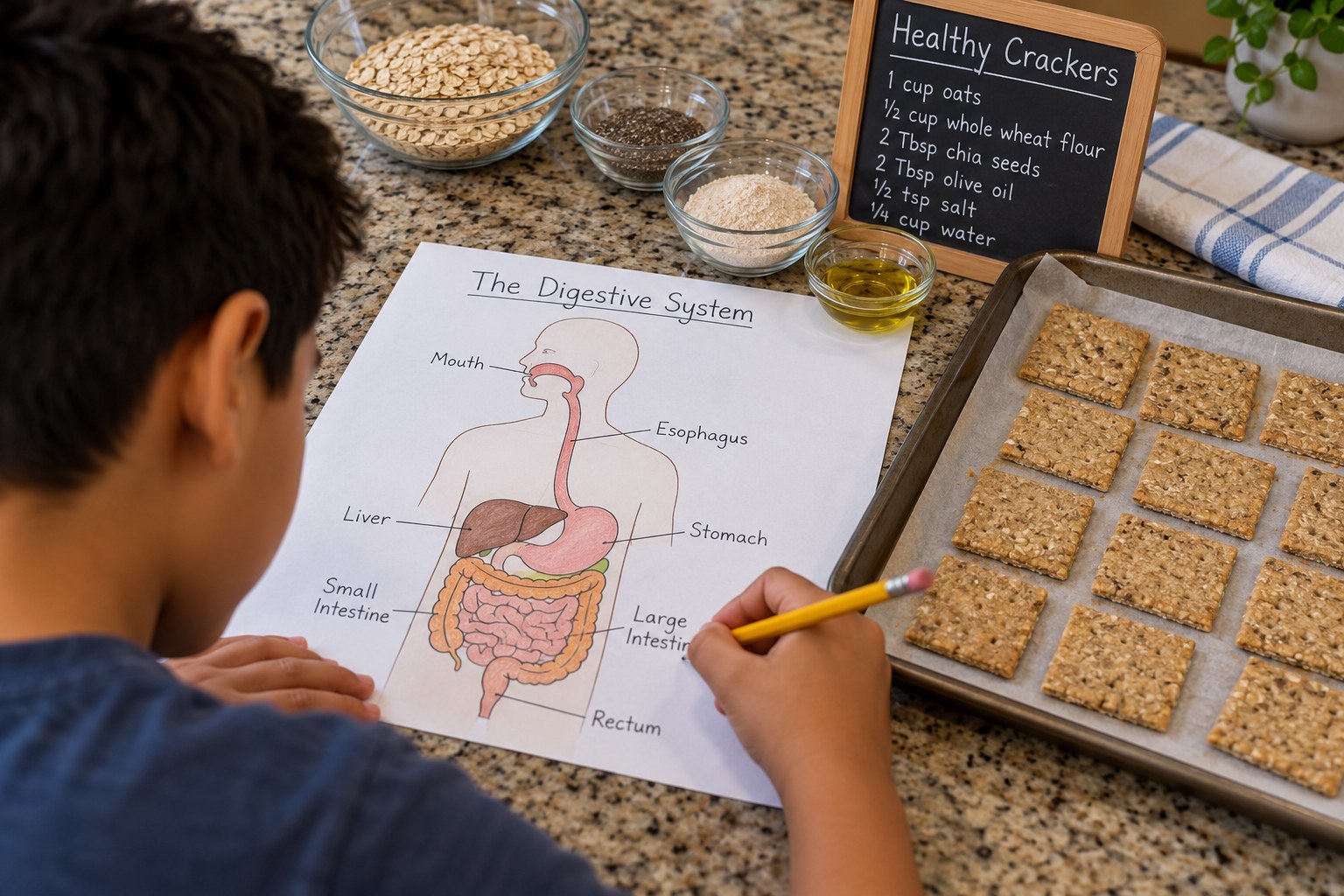
Your child chews a plain cracker slowly to taste how saliva begins turning starch into sugar, then mixes, rolls and cuts a simple batch of homemade crackers, and while they bake, traces the path food takes through the digestive system.
Objective
Your child will explain that saliva starts breaking down starch in the mouth, follow a recipe to make crackers, and name the main parts of the digestive system in order.
Materials
| Item | Quantity |
|---|---|
| Plain unsalted or low-salt crackers or a slice of plain white bread | 2 per child |
| All-purpose flour (or a gluten-free flour blend) | 1 cup |
| Salt | 1/4 teaspoon plus a pinch for tops |
| Olive oil or other vegetable oil | 3 tablespoons |
| Water | 1/3 cup |
| Rolling pin or smooth glass, baking sheet and parchment paper | 1 each |
| Fork and butter knife or pizza cutter | 1 each |
| Measuring cups and spoons, mixing bowl | 1 set |
Vocabulary
Preparation
- Check for allergies: this recipe has wheat (use a gluten-free flour blend if needed); check store crackers for wheat, dairy, seeds or other allergens.
- An adult preheats the oven to 400°F (200°C) and lines a baking sheet with parchment paper.
- Everyone washes hands before cooking.
Introduction
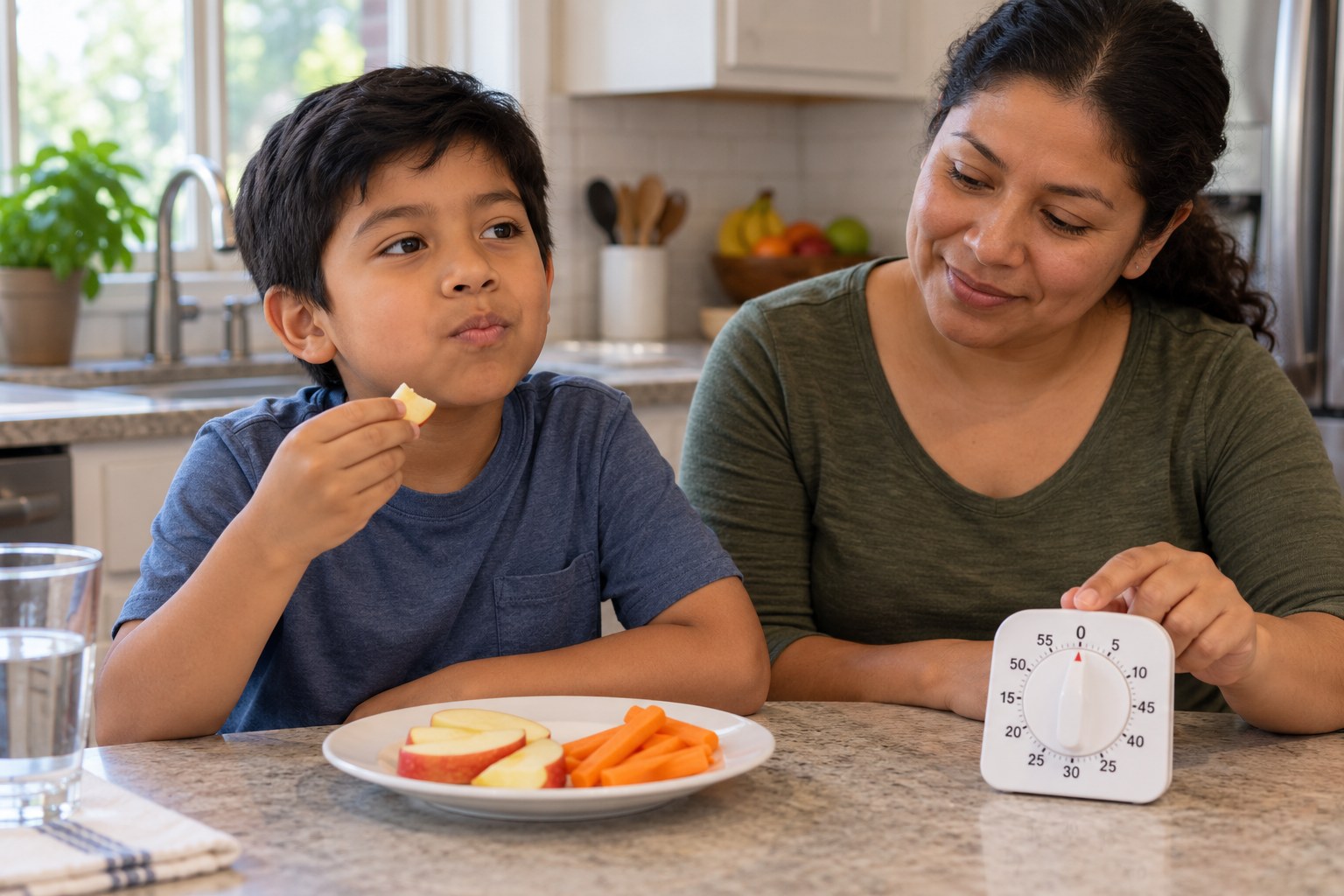
Ask: "Where does digestion start: in your stomach or somewhere else?" Then say: "Let's find out with a cracker and a little patience."
What happens to a cracker if you leave it in your mouth for a long time?
Where do you think food goes after you swallow it?
Steps
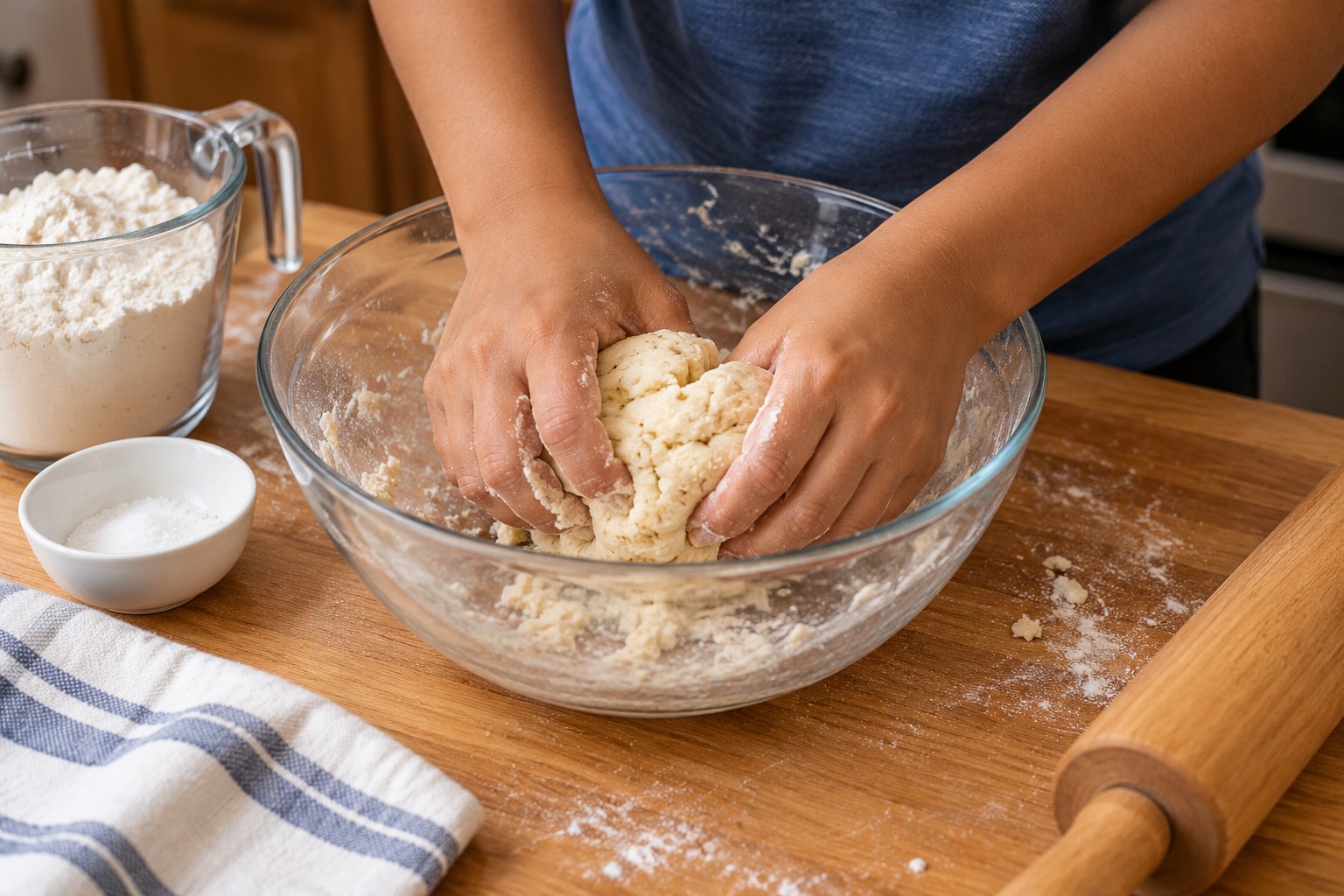
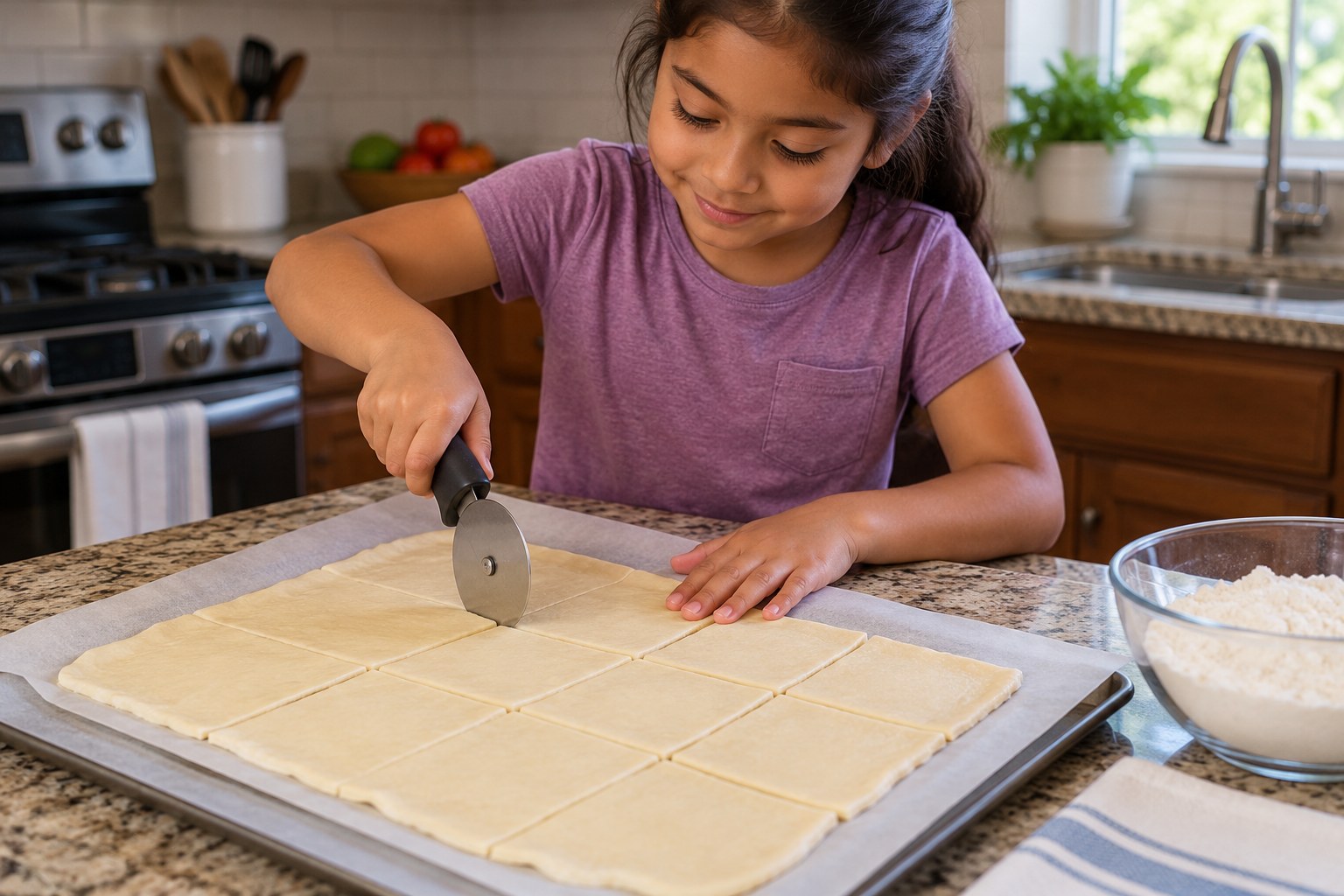
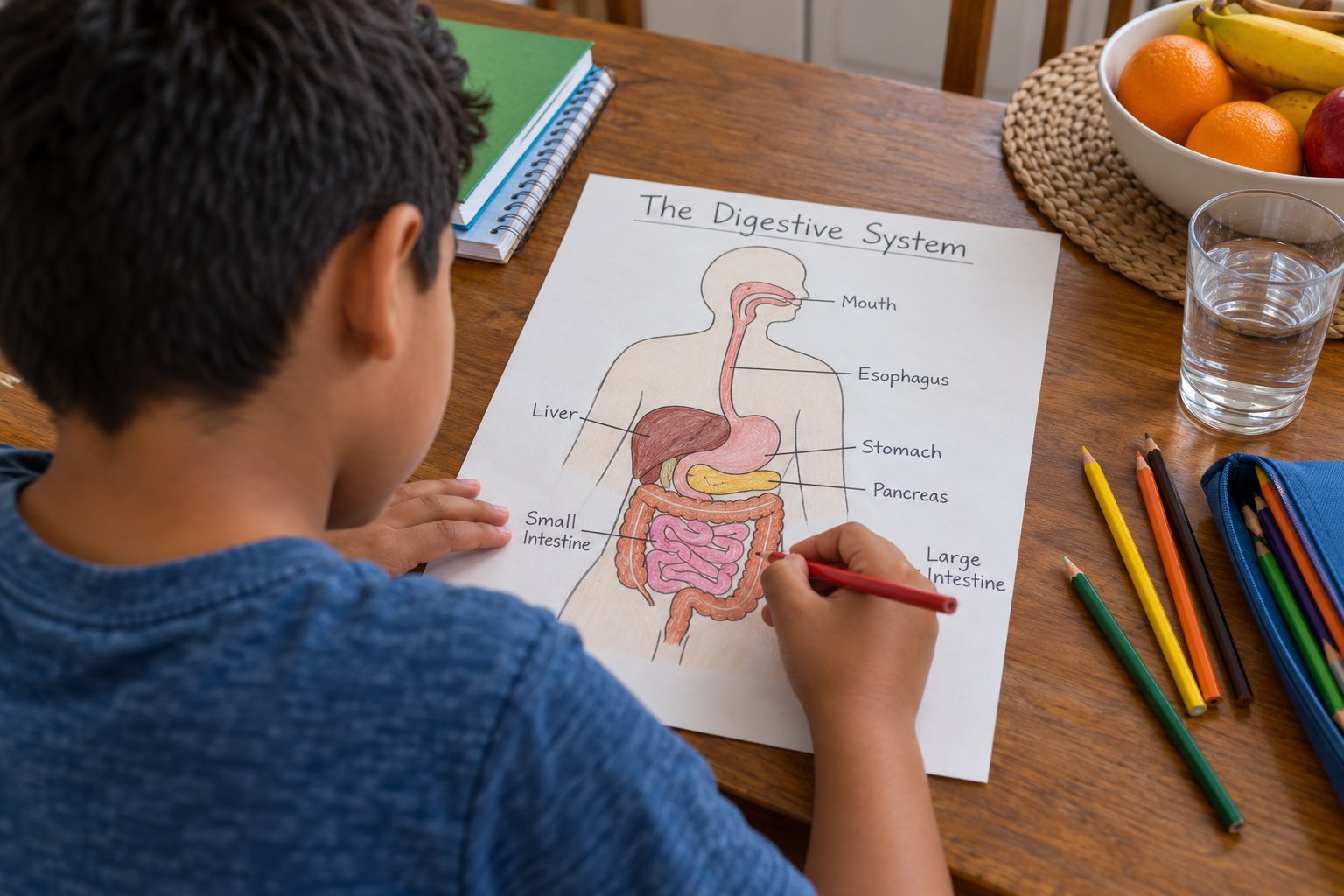
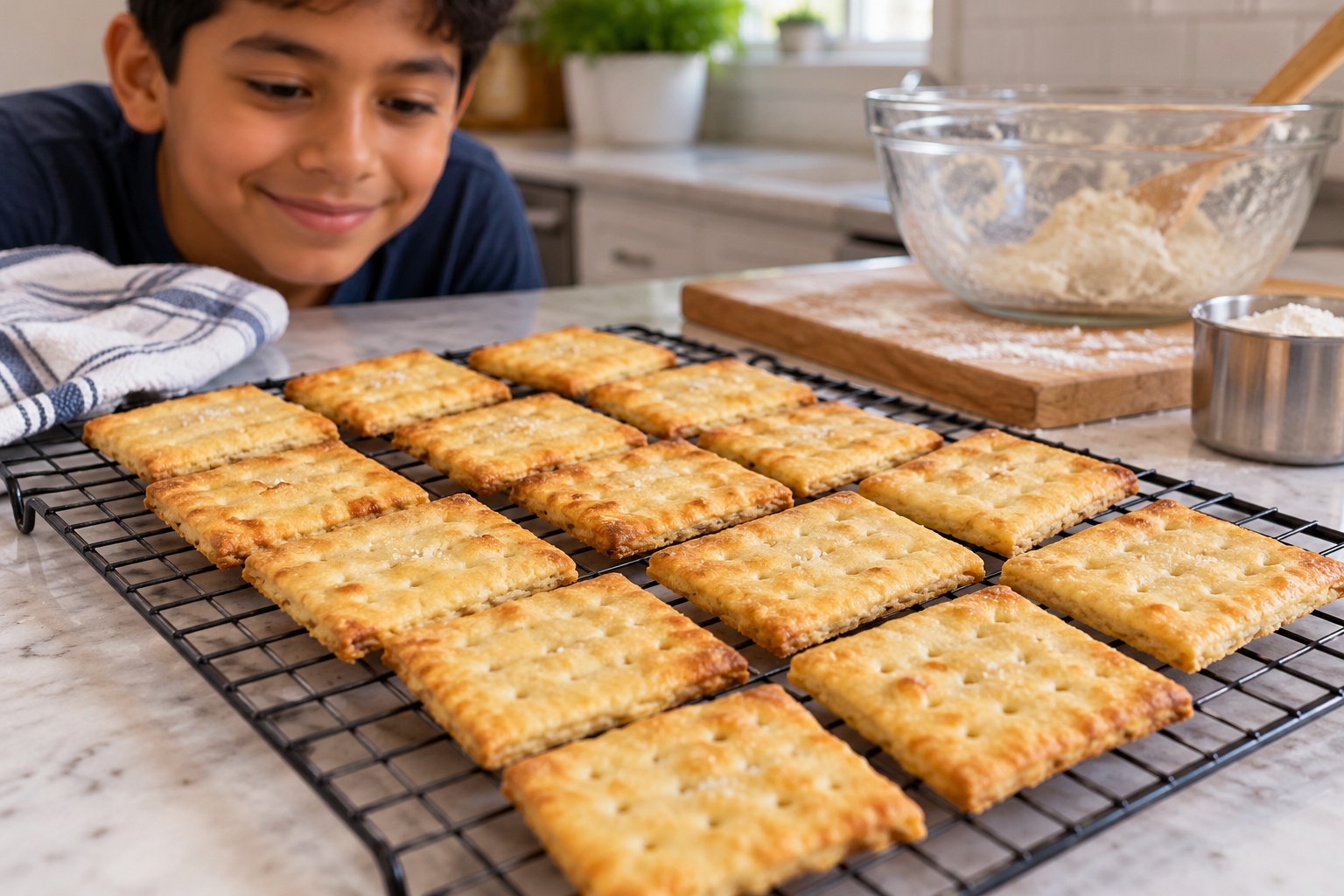
Conclusion
Ask: where does digestion begin? Which part of the digestive system is the longest? Pack a few homemade crackers in tomorrow's snack.
Make your own lesson plan in minutes
Describe a topic and Resource Portal AI writes the objectives, materials and steps for your group.
Try Resource Portal AI