Design a Fair Board Game Using Probability
Overview
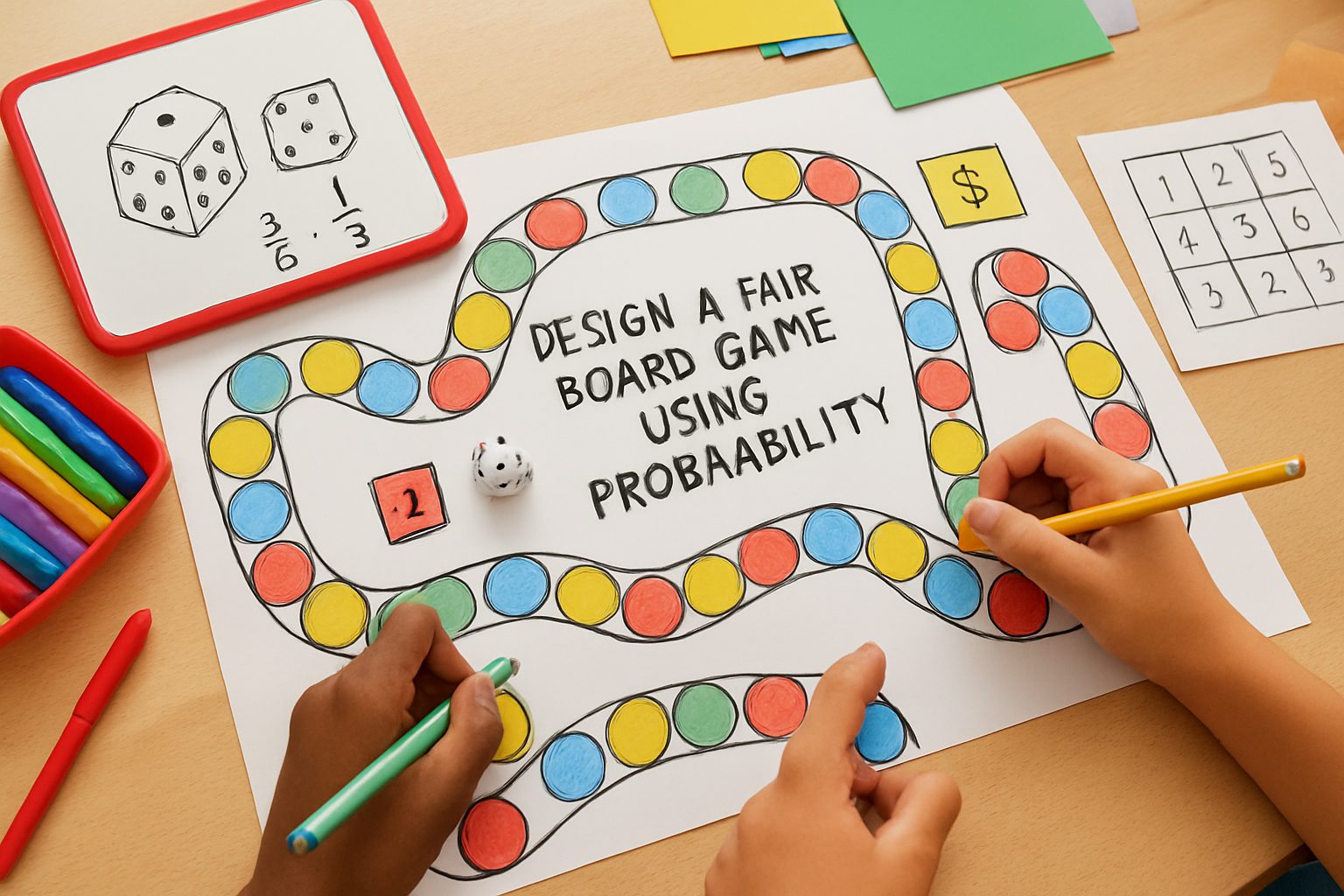
Students will collaborate to design a board game using probability concepts and fairness principles.
Description
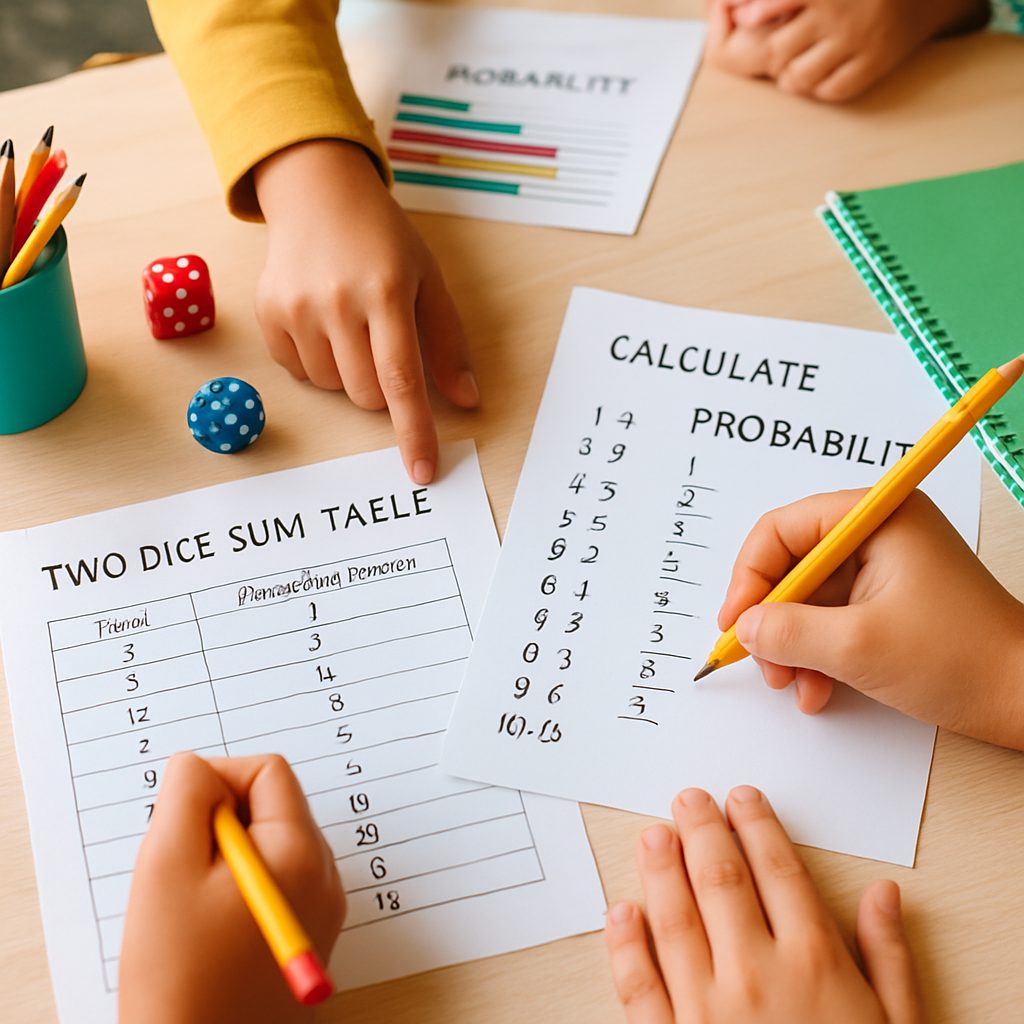
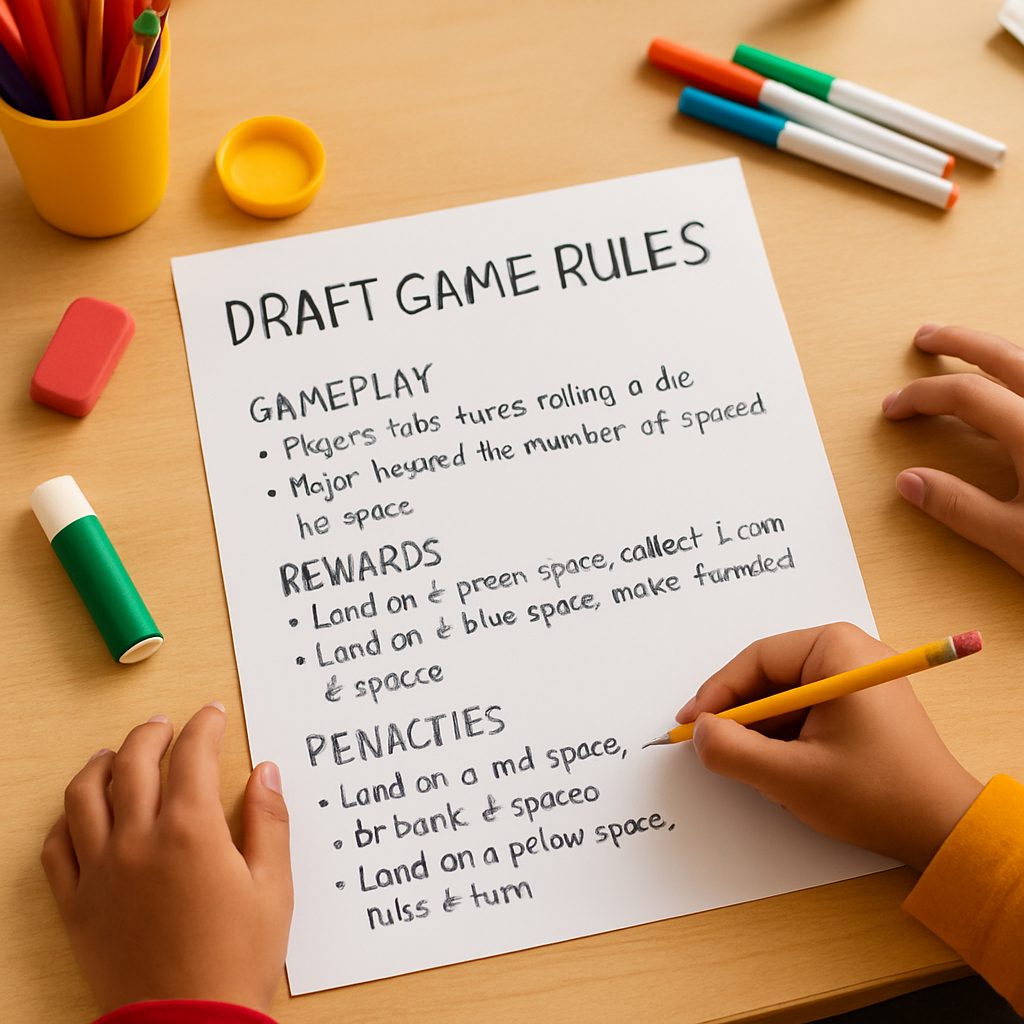
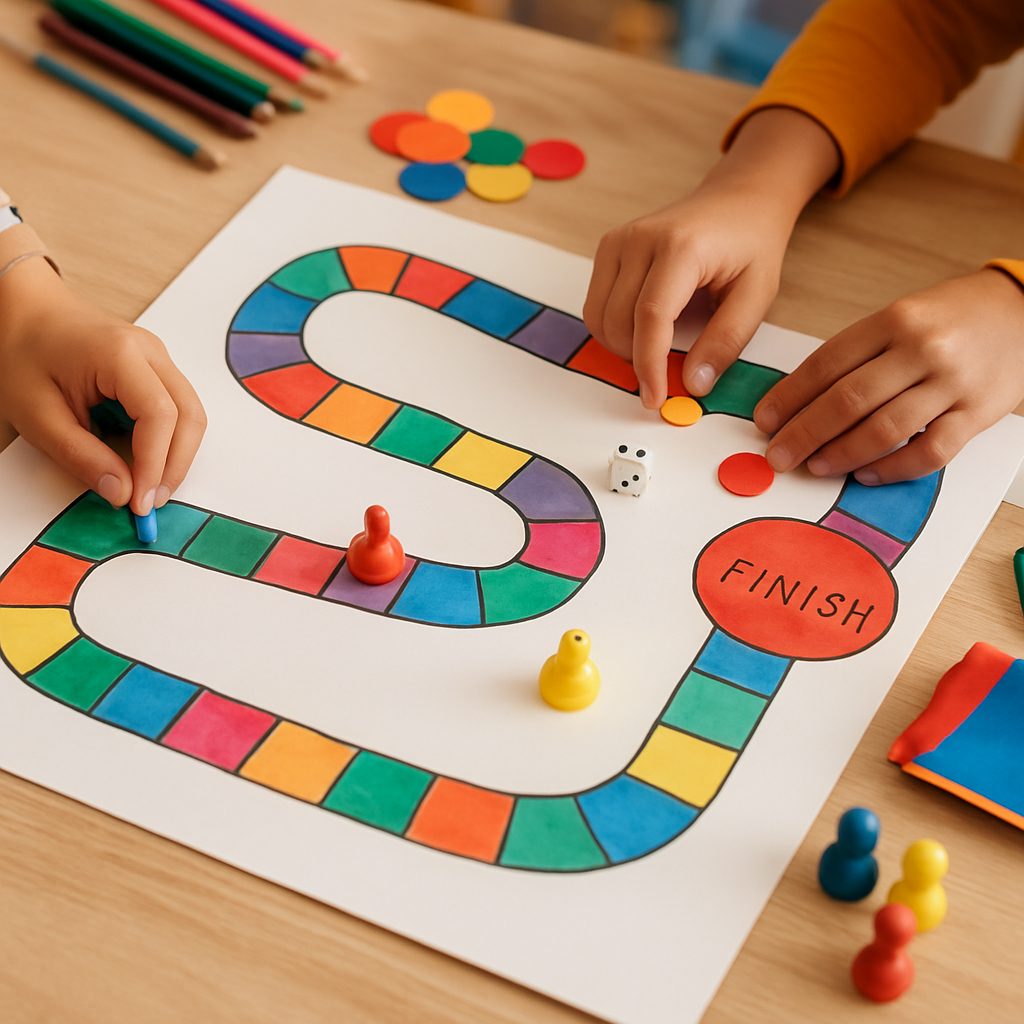
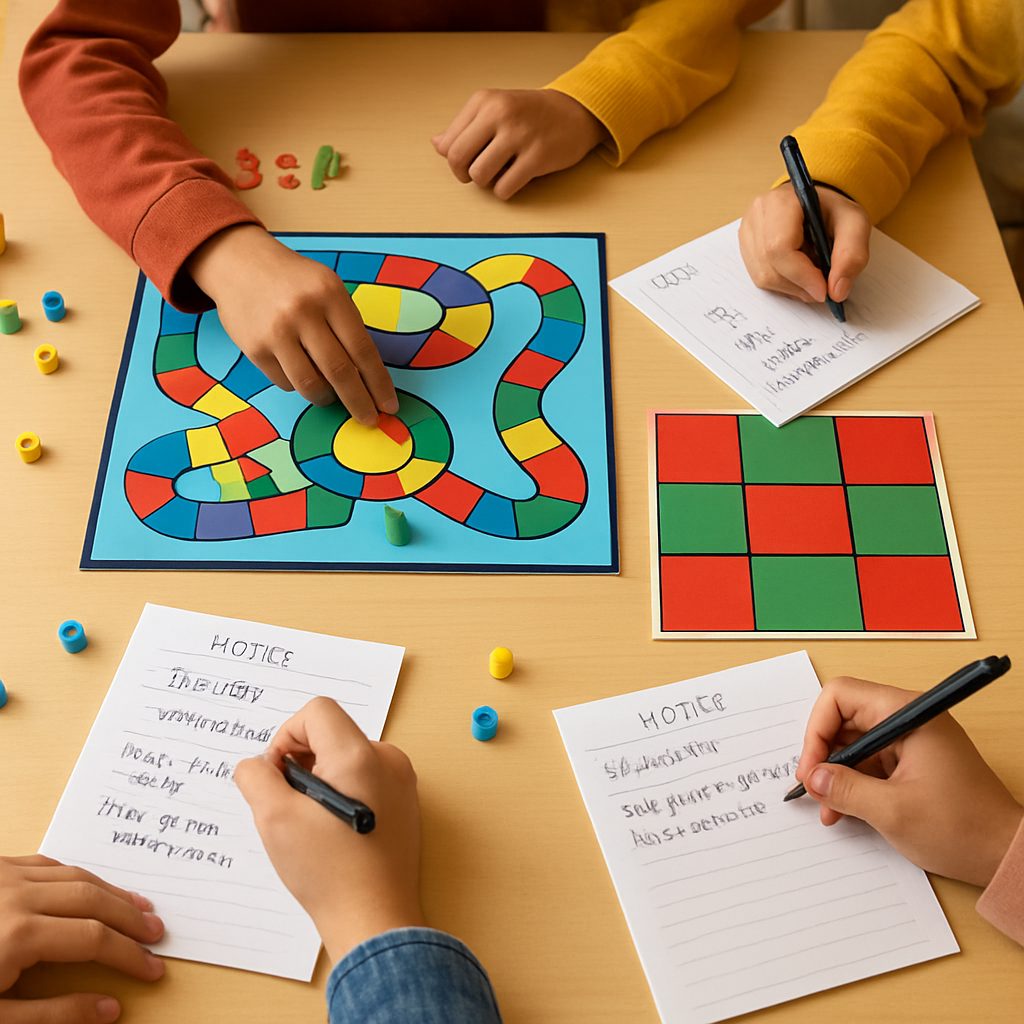
In this lesson, students will work in groups to design a board game that incorporates probability and fairness. They will calculate the probability of sums using two dice and strategically place rewards and penalties to ensure the game is equitable. Students will create prototypes and playtest each other's games to analyze fairness and enjoyment.
Objective
Students will collaboratively design a board game that incorporates probability concepts and fairness, demonstrating critical thinking and problem-solving skills.
Standards
Materials
| Item | Quantity |
|---|---|
| Poster board | 5 sheets |
| Markers | 20 pieces |
| Dice | 10 pieces |
| Game tokens (variety) | 100 pieces |
| Paper (for game rules) | 20 sheets |
Vocabulary
Preparation
- Gather all materials needed for the game design.
- Set up groups of students in advance.
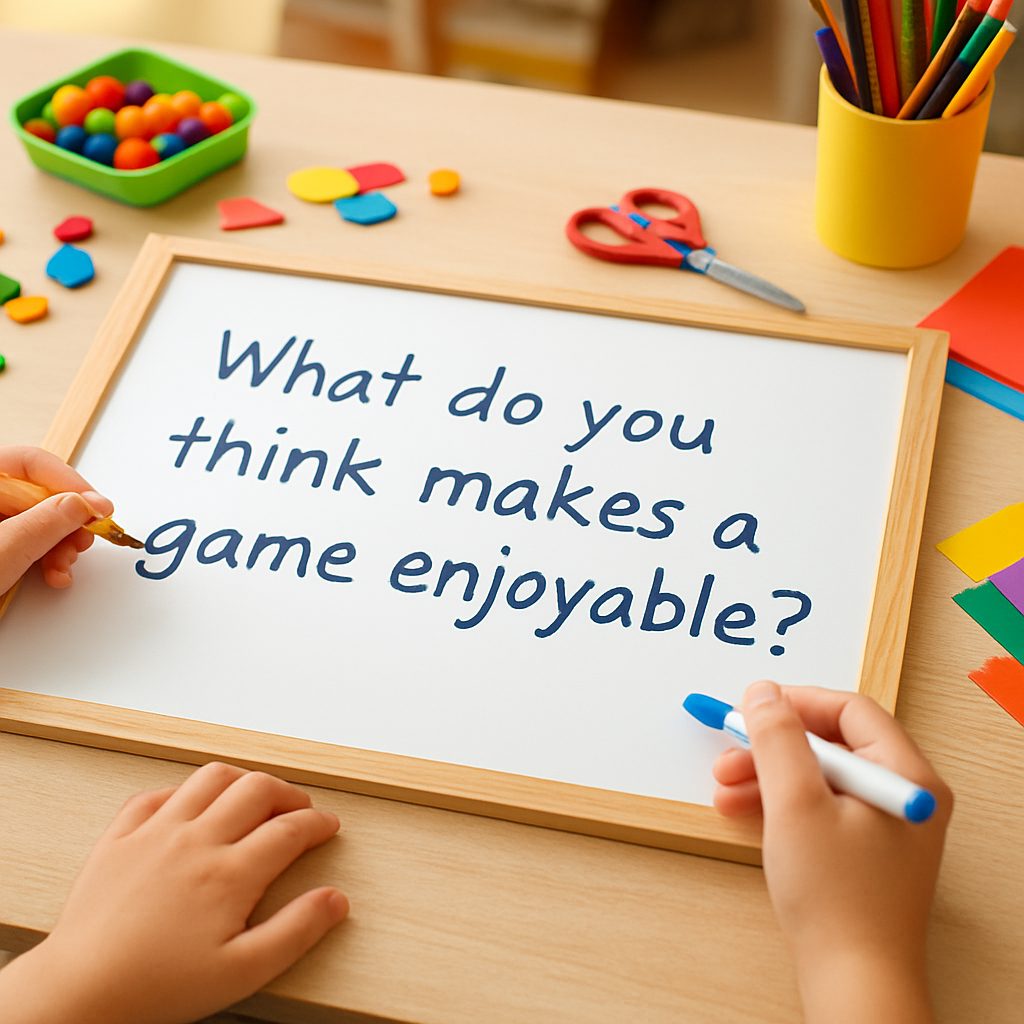
- Prepare a brief introduction on what makes a game fair and enjoyable.
Introduction
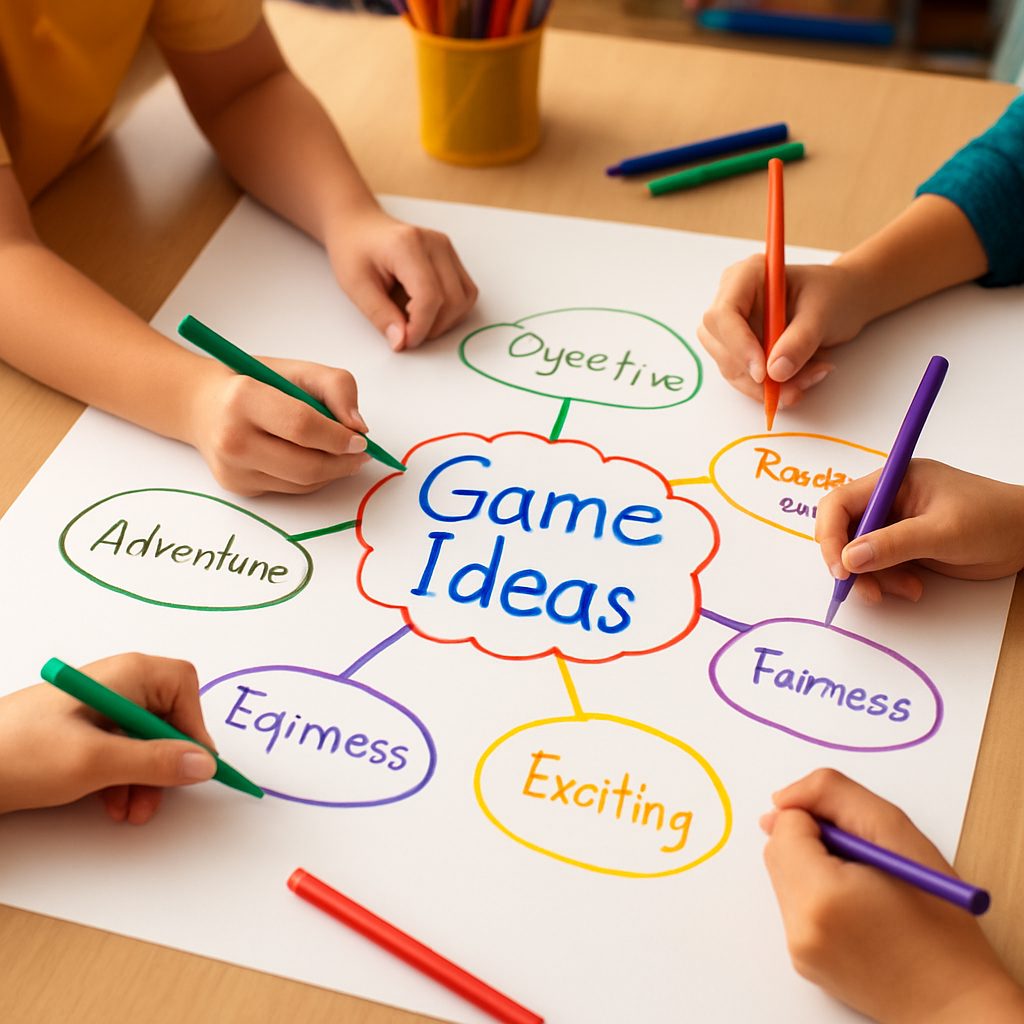
Analog game nights are back! Discuss popular board games and the excitement of playing with friends.
What makes a game fun to play?
How can probability influence game design?
Steps
Conclusion
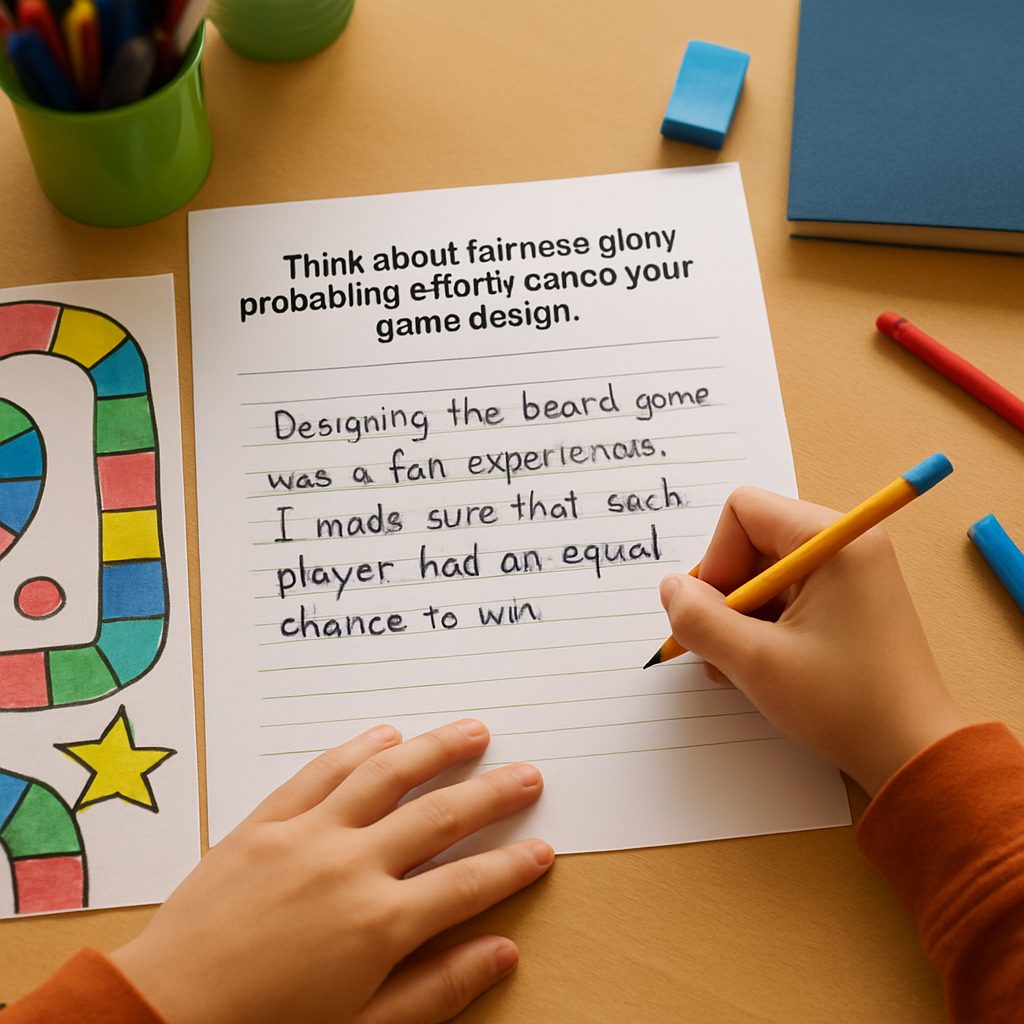
Reflect on how the principles of fairness and probability shaped their game design and experience. Discuss how these skills can be applied in other areas of life, such as sports or teamwork.
Make your own lesson plan in minutes
Describe a topic and Resource Portal AI writes the objectives, materials and steps for your group.
Try Resource Portal AI