Pumpkin Investigation: Float, Measure and Weigh
Overview
Measure, weigh and float a real pumpkin.
Description
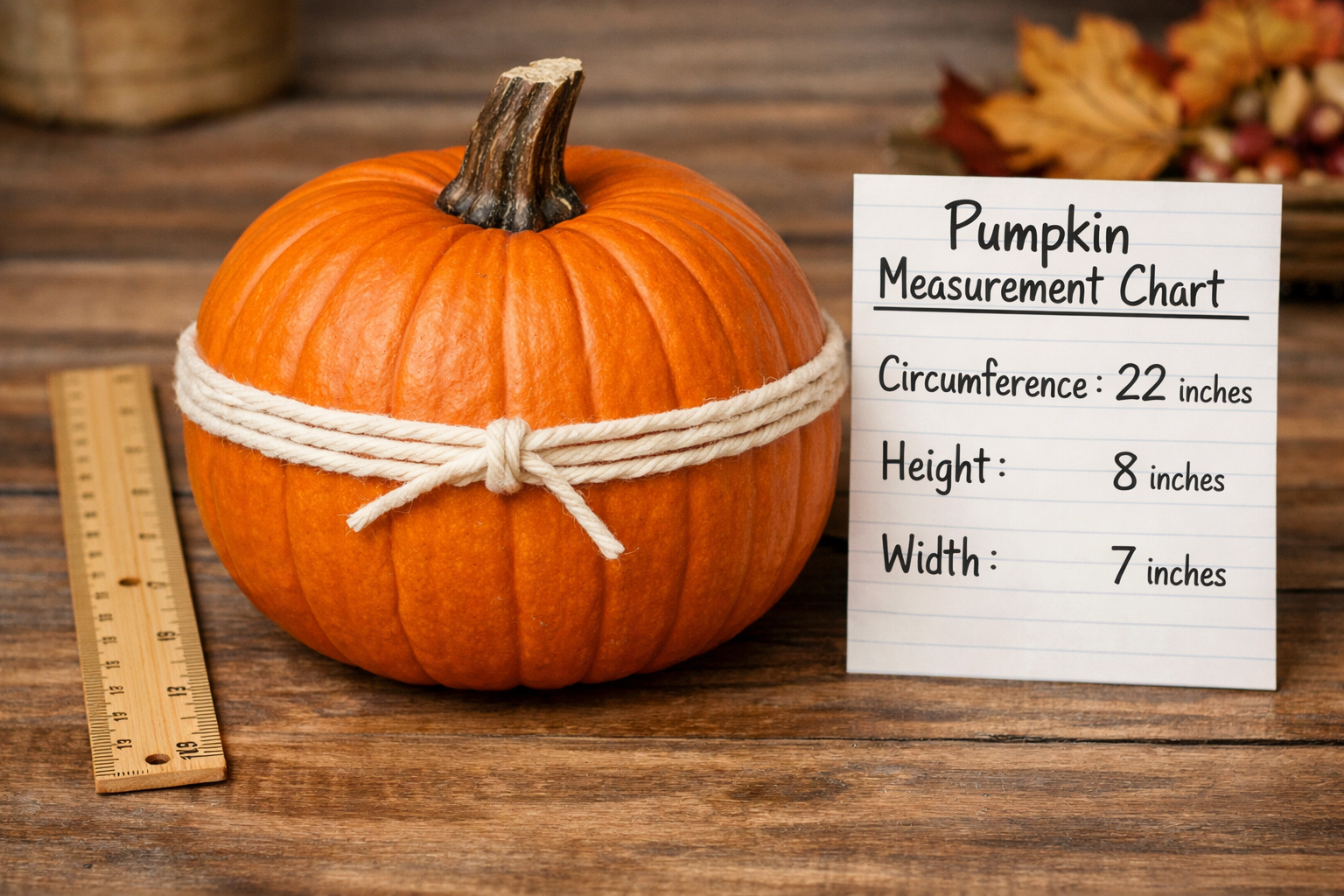
Your child estimates and then measures a pumpkin's circumference with string, weighs it on a bathroom scale, and tests whether it sinks or floats in a tub of water.
Objective
Your child will estimate and measure a pumpkin's circumference, find its weight, and explain why a big pumpkin floats.
Standards
Materials
| Item | Quantity |
|---|---|
| Small or medium pumpkin | 1 (or 1 per child if you have mini pumpkins) |
| String or yarn | 1 piece, about 5 feet |
| Ruler or measuring tape | 1 |
| Bathroom scale | 1 |
| Bathtub, sink or large plastic tub filled with water | 1 |
| Paper and pencil | 1 sheet and 1 pencil per child |
| Old towel | 1 |
Vocabulary
Circumference
The distance all the way around a round object.
Estimate
A smart guess using what you already know.
Float
To stay on top of the water instead of sinking.
Density
How tightly packed something is. Things less dense than water float.
Preparation
- Fill the bathtub or tub about halfway with cool water.
- Draw a chart on the paper with rows for Circumference (guess/actual), Weight (guess/actual) and Float or sink (guess/actual).
Introduction
Set the pumpkin on the table and ask: is this pumpkin heavier than a gallon of milk? Will it sink like a rock or float like a boat?
What do you think is inside a pumpkin?
Do heavy things always sink?
Steps
1Step 1
Estimate the circumference
(6 min) Your child cuts a piece from the string that they think will reach exactly around the fattest part of the pumpkin. Then wrap it around to check: too short, too long, or just right?
2Step 2
Measure the circumference
(8 min) Wrap the string around the widest part of the pumpkin and pinch where the end meets. Lay the string flat along the ruler or measuring tape, read the inches, and write the actual number next to the guess on the paper chart.
3Step 3
Weigh the pumpkin
(8 min) Have your child step on the bathroom scale alone and write down the number, then step on again holding the pumpkin. Subtract the first number from the second to find the pumpkin's weight in pounds, and write it on the chart.
4Step 4
Sink or float test
(8 min) Your child writes a guess, then gently places the pumpkin in the tub of water. Watch what happens and push it under to feel how the water pushes back up.
5Step 5
Explain the result
(6 min) Talk about why the pumpkin floats: it is hollow inside and full of air, so it is less dense than water. Dry the pumpkin with the old towel and have your child write one sentence on the paper about what surprised them most.
Conclusion
Ask: would a smaller pumpkin float too? Try it with an apple, an orange or a potato from the kitchen and compare.
Make your own lesson plan in minutes
Describe a topic and Resource Portal AI writes the objectives, materials and steps for your group.
Try Resource Portal AI