Lesson planKwanzaa Ujamaa Pop-Up Shop: Cost, Markup and Profit
Math45 minutesGrades: 6th, 7th, 8th
Overview
Plan a Kwanzaa pop-up shop with percent markup and profit.
Description
Your teen applies Ujamaa, Kwanzaa's principle of cooperative economics, by planning a handmade product for a holiday pop-up shop, calculating cost per item, setting a price with a percent markup, and modeling profit and a donation to a community cause.
Objective
Your teen will calculate unit cost, apply percent markup, compute profit for different sales scenarios, and set aside a percent donation, checking that answers are reasonable.
Standards
7.EE.3Math · Grade 7 · Expressions & Equations Solve multi-step real-life and mathematical problems posed with positive and negative rational numbers in any form (whole numbers, fractions, and decimals), using tools strategically. Apply properties of operations to calculate with numbers in any form; convert between forms as appropriate; and assess the reasonableness of answers using mental computation and estimation strategies.
7.RP.3Math · Grade 7 · Ratios & Proportional Relationships Use proportional relationships to solve multistep ratio and percent problems.
Materials
| Item | Quantity |
|---|
| Calculator | 1 per teen |
| Paper and pencil, or a spreadsheet | 1 |
| Store receipts or online prices for craft supplies | a few, for reference |
| Sample product materials (beads, cord, cardstock) for a prototype (optional) | small amount |
Vocabulary
Ujamaa
Cooperative economics: building and supporting businesses in our community and sharing the benefits.
Unit cost
How much it costs to make one item.
Markup
The amount added to the cost to set the selling price, often written as a percent.
Profit
Money left after subtracting all costs from sales.
Preparation
- Look up or estimate real prices for supplies for one simple handmade product, such as beaded bracelets or greeting cards.
- Copy the 'Pop-up shop worksheet' onto paper or into a spreadsheet.
Introduction
Ask your teen: if you sold bracelets at a holiday market, how would you decide the price? Too low and you lose money; too high and nobody buys.
What local or Black-owned businesses does your family support?
What is the difference between revenue and profit?
Steps
1Step 1
Learn about Ujamaa
(6 min) Read 'About Kwanzaa' and discuss Ujamaa, the fourth principle. Many Kwanzaa celebrations include markets featuring local artists and businesses, and your teen will plan one product for such a market.
2Step 2
Find the unit cost
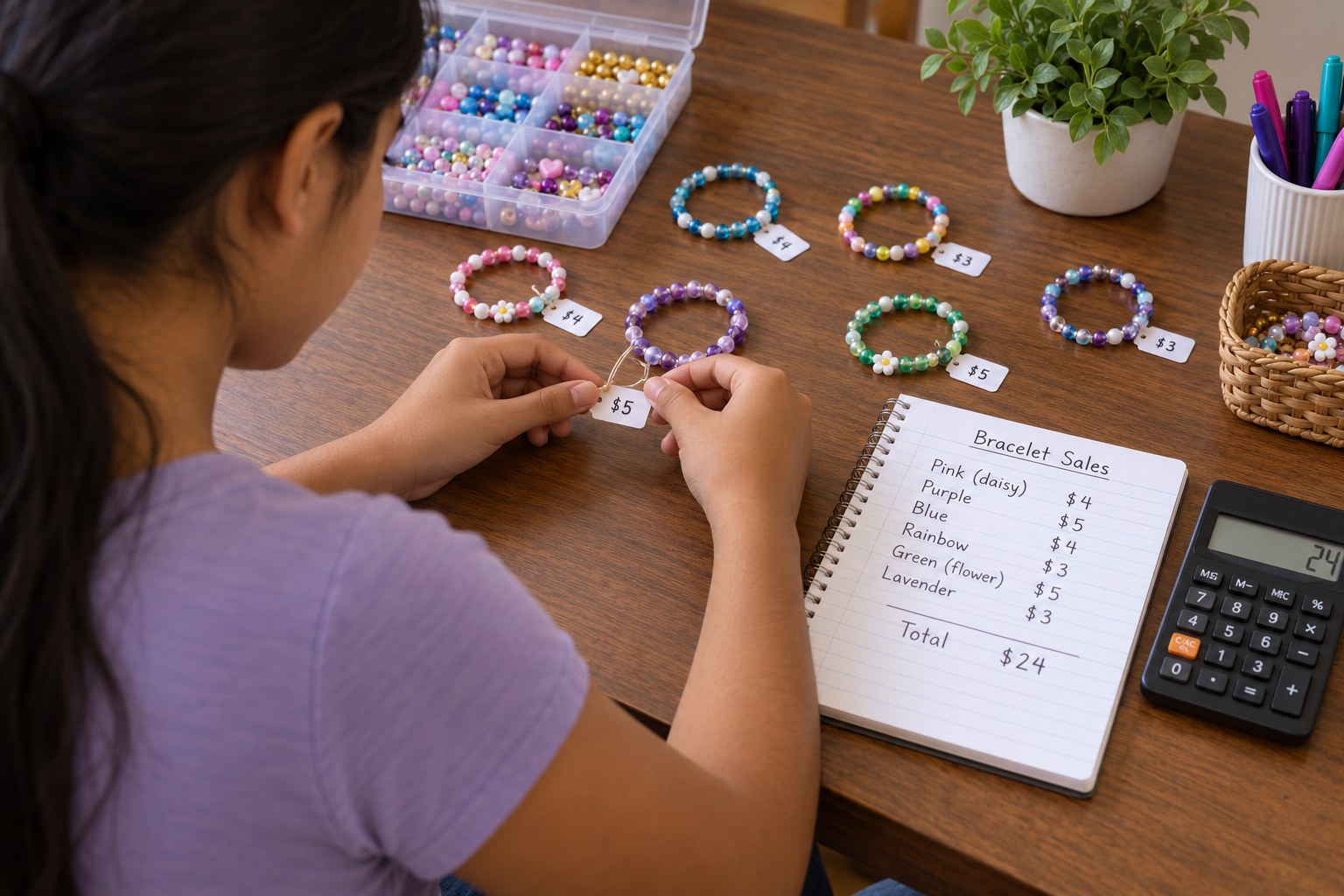
(10 min) Your teen chooses a product and lists the supplies with their prices and how many items each package makes. They calculate the unit cost, such as $18.00 of beads and cord making 24 bracelets for $0.75 each.
3Step 3
Set the price
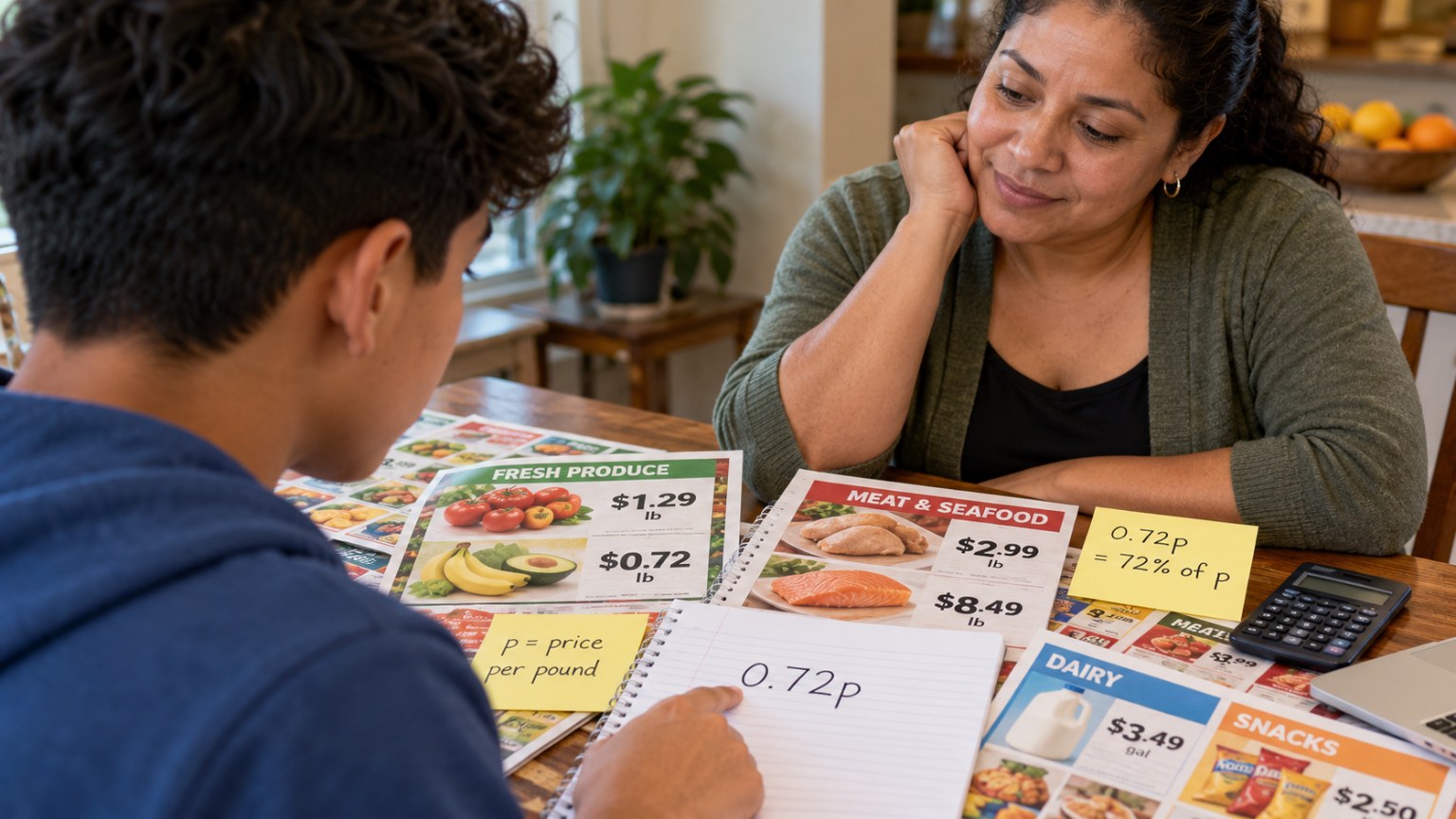
(10 min) Your teen tries markups of 100%, 200% and 300% and calculates each selling price. They choose a final price, rounding to a friendly amount, and explain why customers would pay it.
4Step 4
Model the profit
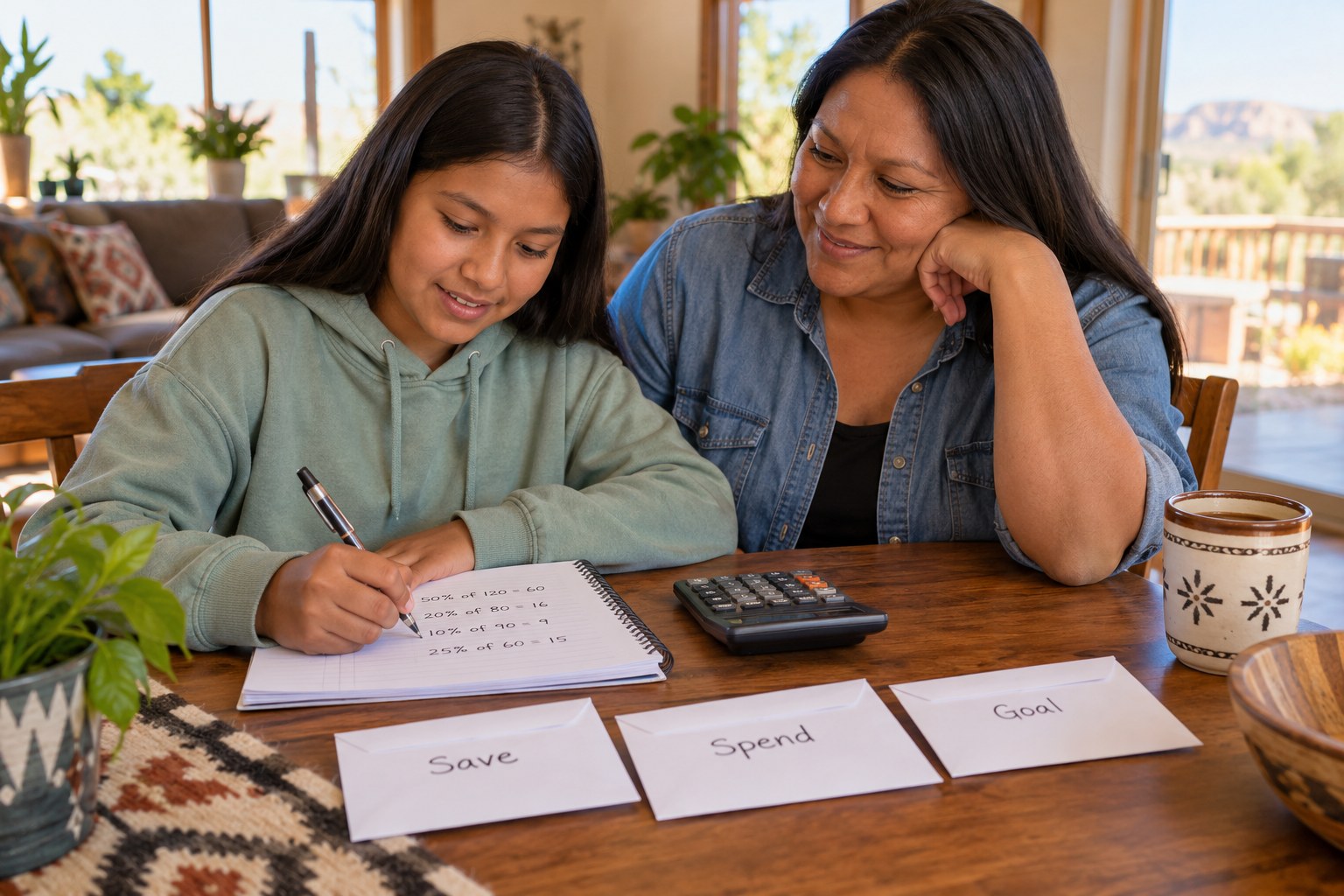
(12 min) Your teen calculates revenue and profit if they sell 10, 20 and 30 items, subtracting a $15 booth fee. They then set aside 10% of profit as a donation to a community cause and find the final amount kept.
5Step 5
Pitch
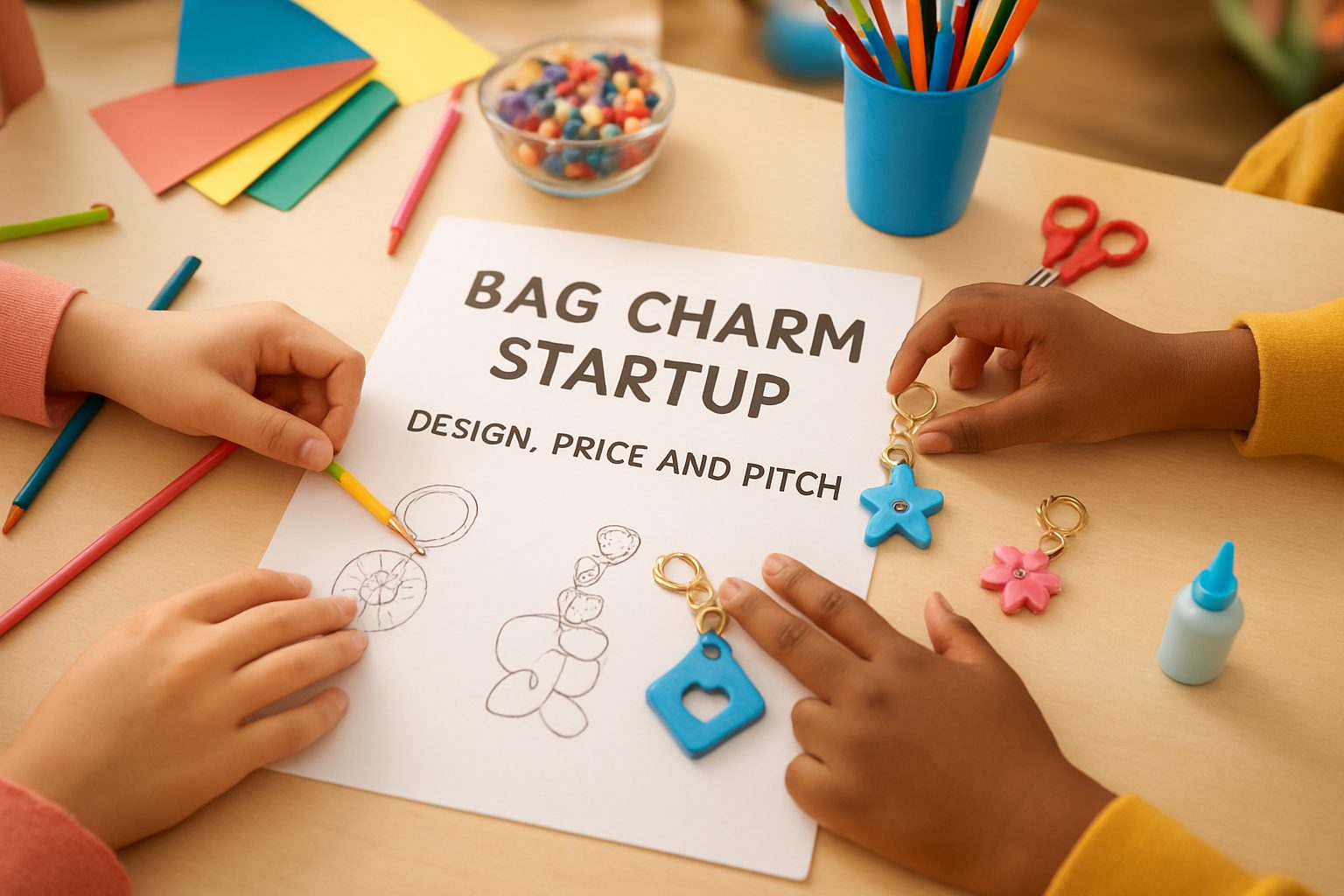
(5 min) Your teen gives a 1-minute pitch for the product with its price, the expected profit and the cause the donation supports. Check the math with a quick estimate together.
Conclusion
Ask: what markup gave a fair price and still made a profit? If you want, make a few real products to sell or give as zawadi.
Make your own lesson plan in minutes
Describe a topic and Resource Portal AI writes the objectives, materials and steps for your group.
Try Resource Portal AI