Ancient Greek Myth Retold: Persephone and the Seasons in Your Own Words
Overview
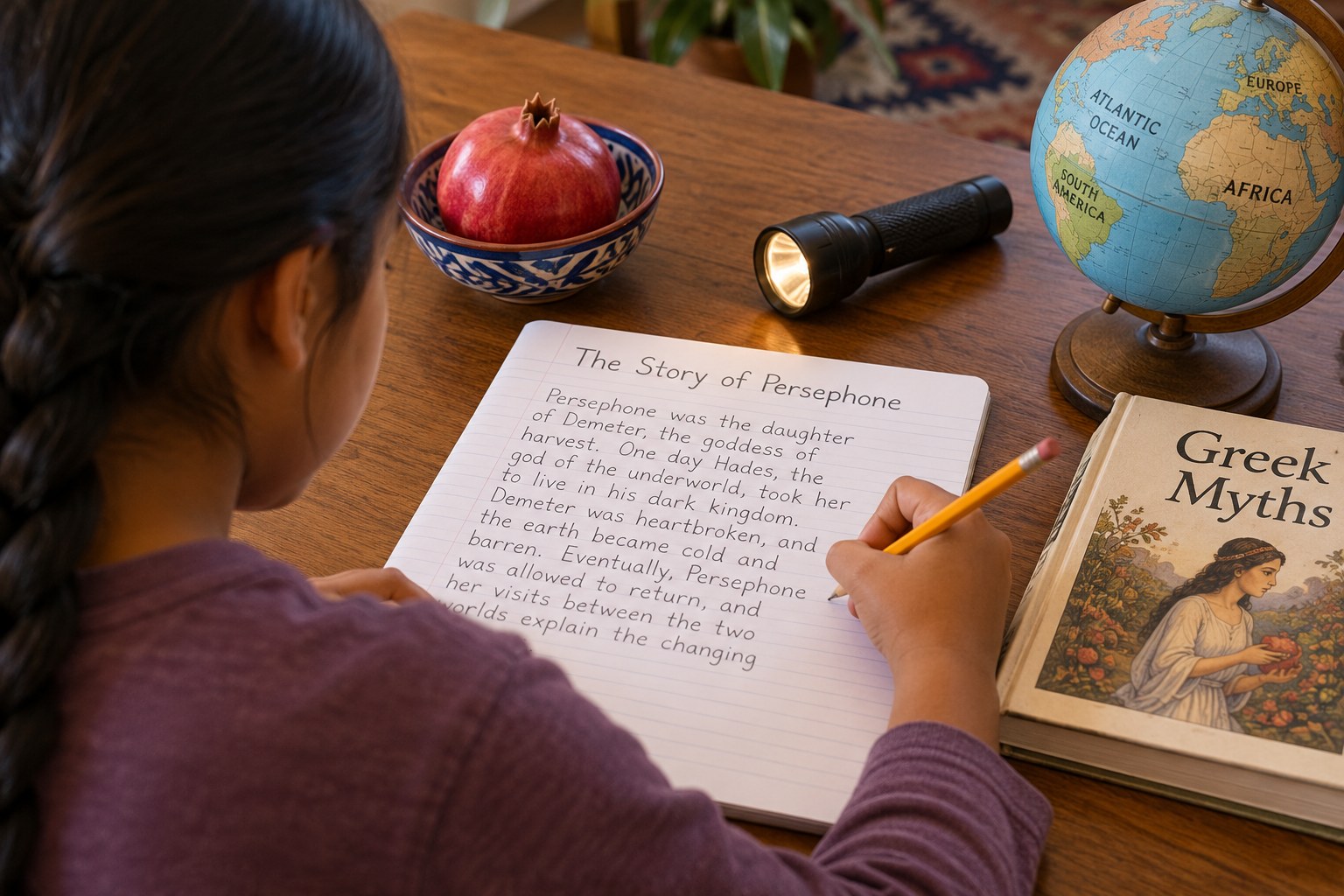
Retell the Greek myth that explained the seasons, with dialogue.
Description
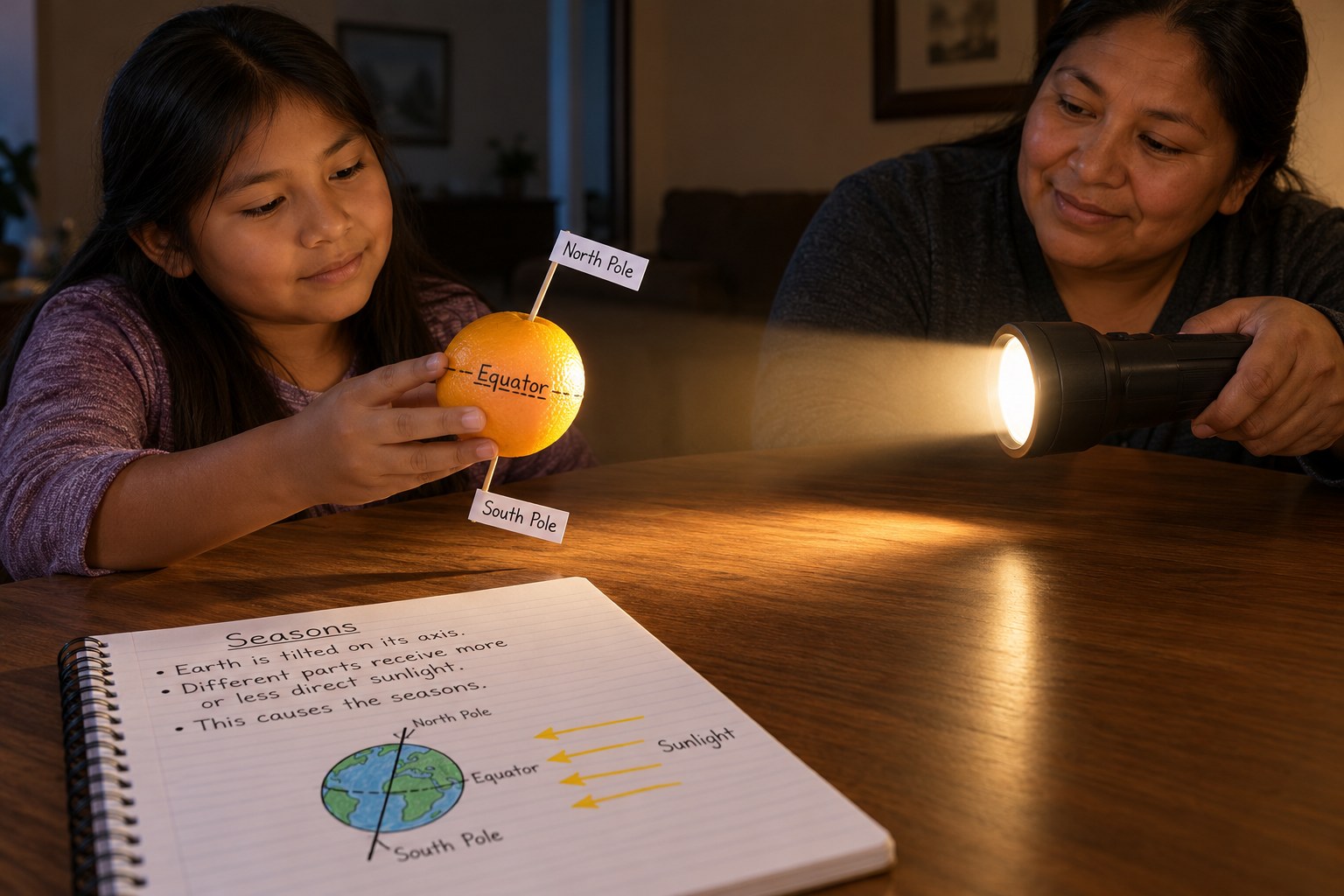
Your child hears the Greek myth of Demeter and Persephone, a story ancient Greeks told to explain the seasons, then retells it in their own words as a short narrative with dialogue and description, and compares the myth's explanation with the science of Earth's tilt.
Objective
Your child will write a retelling of the Persephone myth that introduces the characters and setting, uses dialogue and description, and explains how the myth differs from the scientific reason for seasons.
Standards
Materials
| Item | Quantity |
|---|---|
| Myth summary (in Additional Sections) | 1 |
| Lined paper or notebook | 2-3 pages per child |
| Pencils | 1 per child |
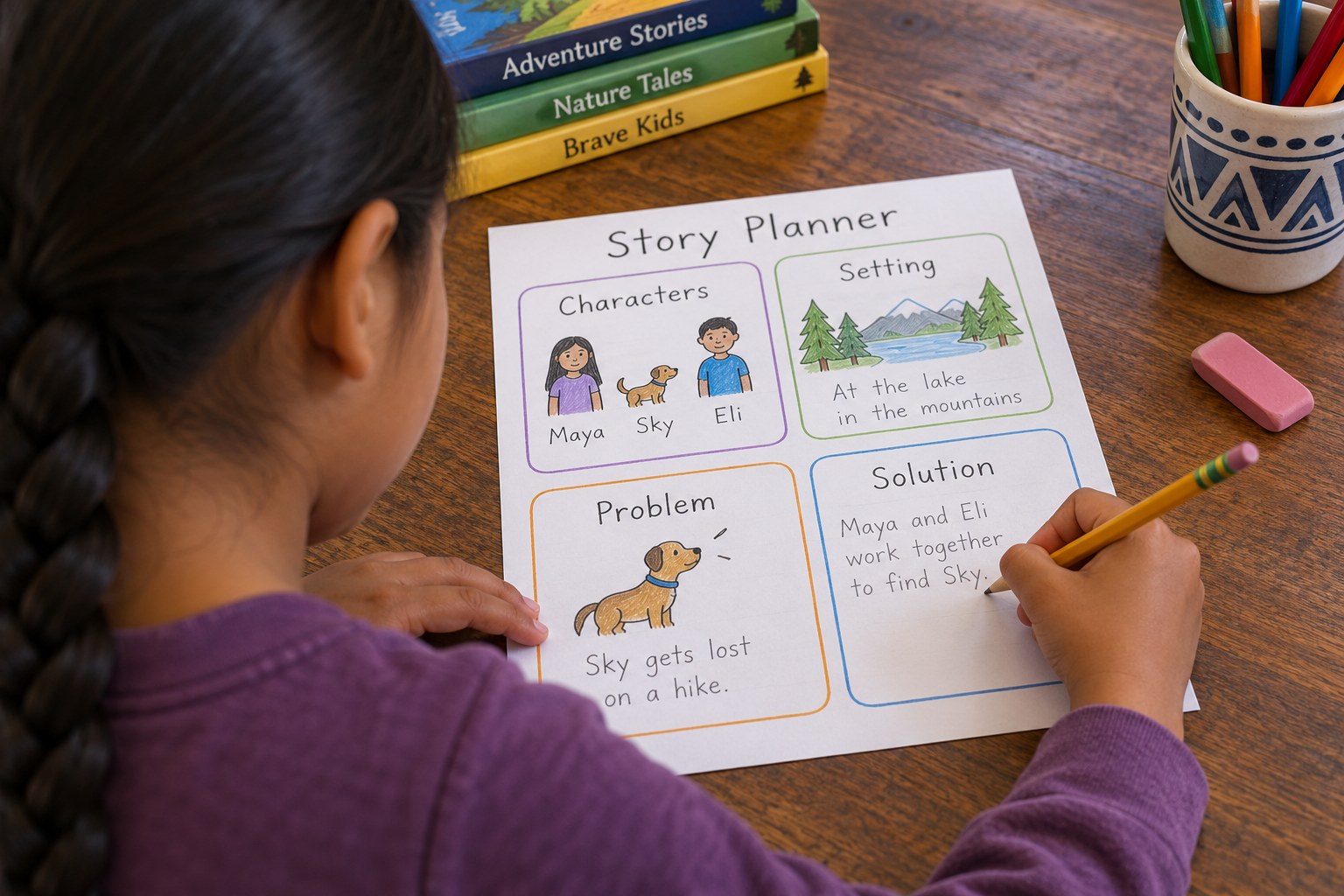
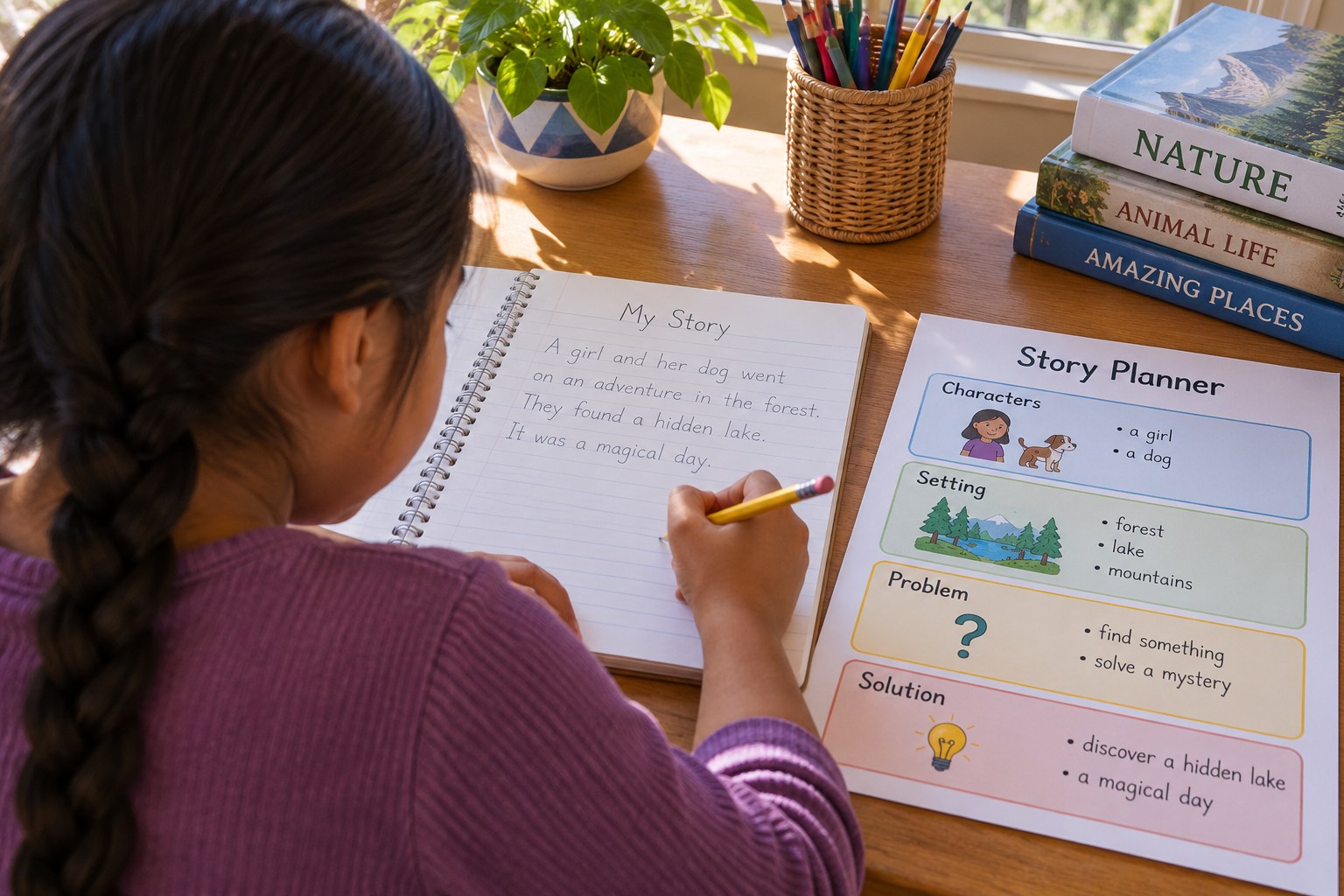
| Story planner (in Additional Sections), copied or drawn | 1 per child |
| Flashlight and a ball or orange | 1 each |
Vocabulary
Preparation
- Read the myth summary in Additional Sections so you can tell it in a storytelling voice.
- Copy or draw the story planner for each writer.
- Have a flashlight and a ball ready for the science comparison at the end.
Introduction
Long before people knew Earth was tilted, the ancient Greeks told a story to explain why plants die in winter and grow back in spring. We study these myths today as literature and history, the way you would study any great story.
Why do you think people long ago made up stories to explain nature?
What happens to plants in your area in winter?
What do you already know about why we have seasons?
Steps

Conclusion
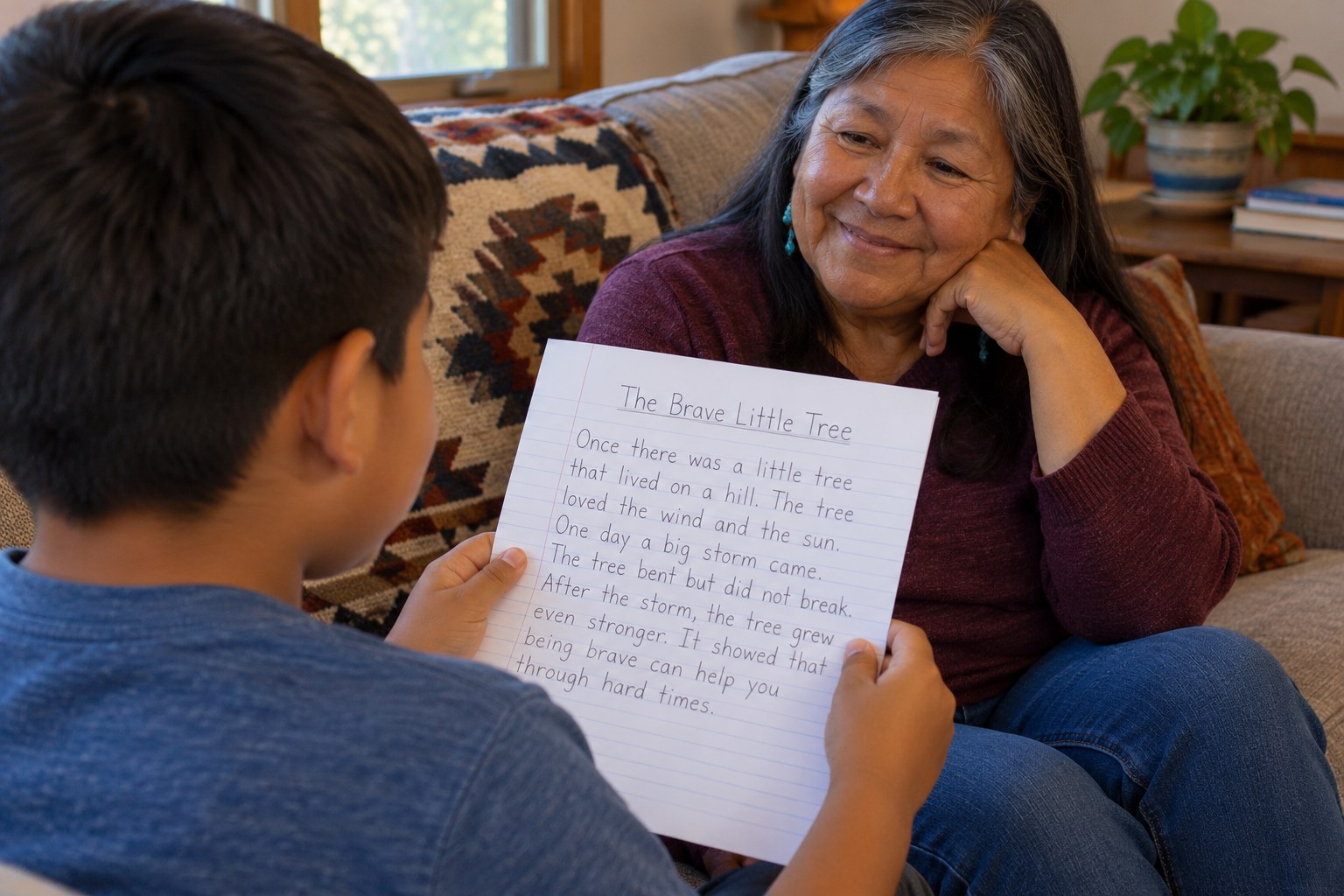
Your child shares their finished myth with family. Ask them to explain in one sentence how the myth explains seasons and in one sentence what scientists know causes them.
Make your own lesson plan in minutes
Describe a topic and Resource Portal AI writes the objectives, materials and steps for your group.
Try Resource Portal AI