Free lesson planHuman Body Myth Busters: Evaluate Claims About the Tongue Map, the 10% Brain and More
Reading45 minutesGrades: 7th, 8th
Overview
Sort body myths from facts and argue with real evidence.
Description
Your teen reads six popular human body claims, each with its origin and the evidence scientists have gathered, sorts them into myth or fact, tests the tongue-map claim on their own tongue, and writes a short evidence-based argument debunking or defending one claim.
Objective
Your teen will trace the reasoning behind popular human body claims, judge whether the evidence is relevant and sufficient, and write a claim supported by logical reasoning and credible evidence.
Standards
RI.7.8ELA · Grade 7 · Reading: Informational Text Trace and evaluate the argument and specific claims in a text, assessing whether the reasoning is sound and the evidence is relevant and sufficient to support the claims.
Support claim(s) with logical reasoning and relevant evidence, using accurate, credible sources and demonstrating an understanding of the topic or text.
RI.8.8ELA · Grade 8 · Reading: Informational Text Delineate and evaluate the argument and specific claims in a text, assessing whether the reasoning is sound and the evidence is relevant and sufficient; recognize when irrelevant evidence is introduced.
Materials
| Item | Quantity |
|---|
| Claim cards from this lesson, printed or copied | 1 set |
| Cotton swabs | 8 |
| Small cups of sugar water and salt water (about 1/2 teaspoon in 1/4 cup each) | 2 |
| Lemon juice in a small cup (optional) | 1 |
| Paper and pencil, or a device for writing | 1 per teen |
Vocabulary
Claim
A statement someone says is true that can be supported or challenged.
Evidence
Facts, data or observations that support or challenge a claim.
Myth
A widely believed idea that the evidence shows is false.
Double-blind study
An experiment where neither the participants nor the researchers know who got which treatment, to prevent bias.
Anecdote
A single personal story, which is weak evidence on its own.
Preparation
- Copy the six claim cards from the additional sections onto separate slips.
- Mix the sugar water and salt water in two labeled cups and set out clean cotton swabs (use each swab once).
Introduction
Ask: "True or false: you only use 10% of your brain?" Let your teen commit to an answer and give a reason before you reveal anything.
Where have you heard facts about the body that might not be true?
What makes a source of health information trustworthy?
Steps
1Step 1
Predict
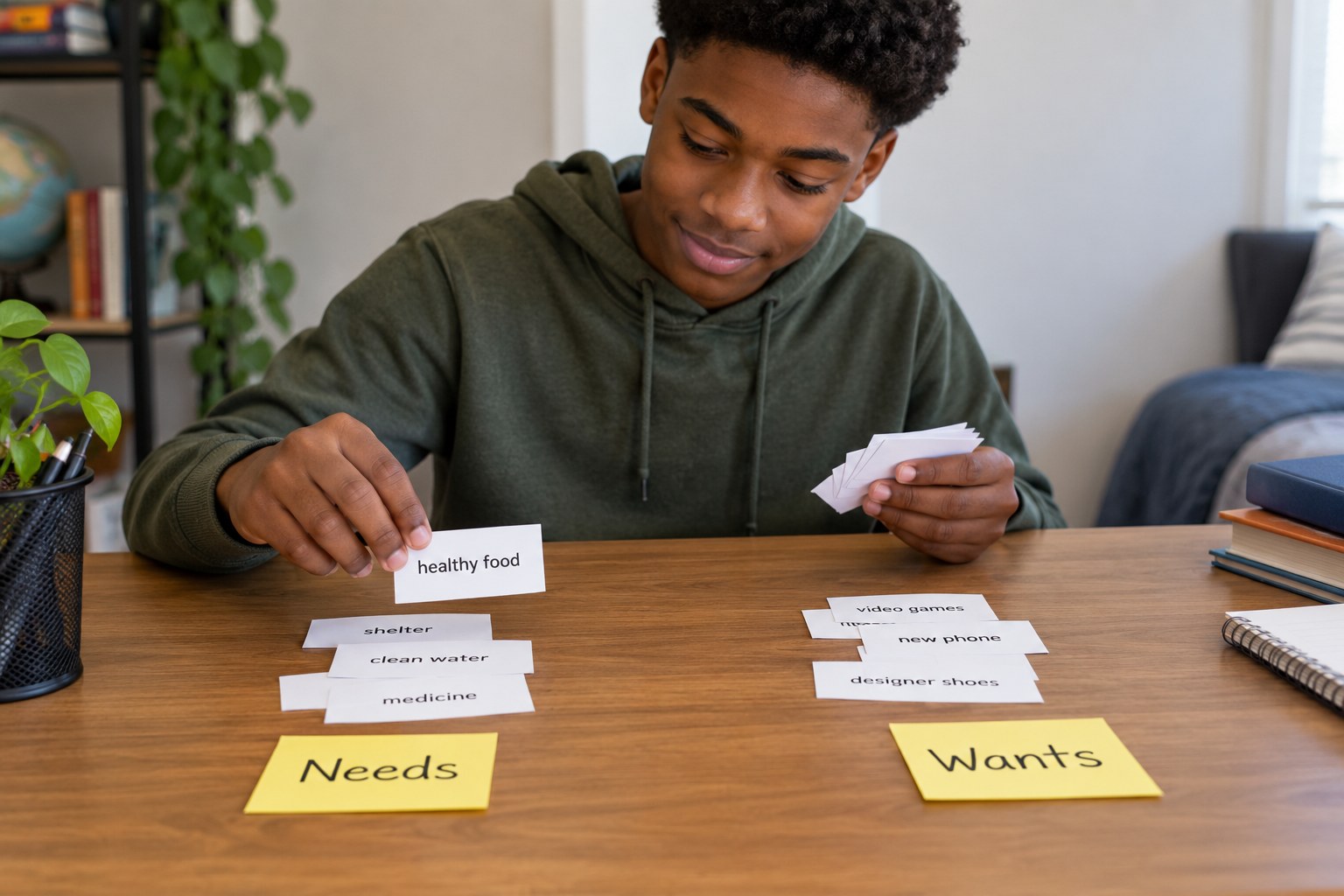
(5 min) Your teen reads the six claim statements only (not the evidence yet) and marks each one Myth or Fact with a confidence rating from 1 to 5. Keep these predictions to compare later.
2Step 2
Test the tongue map
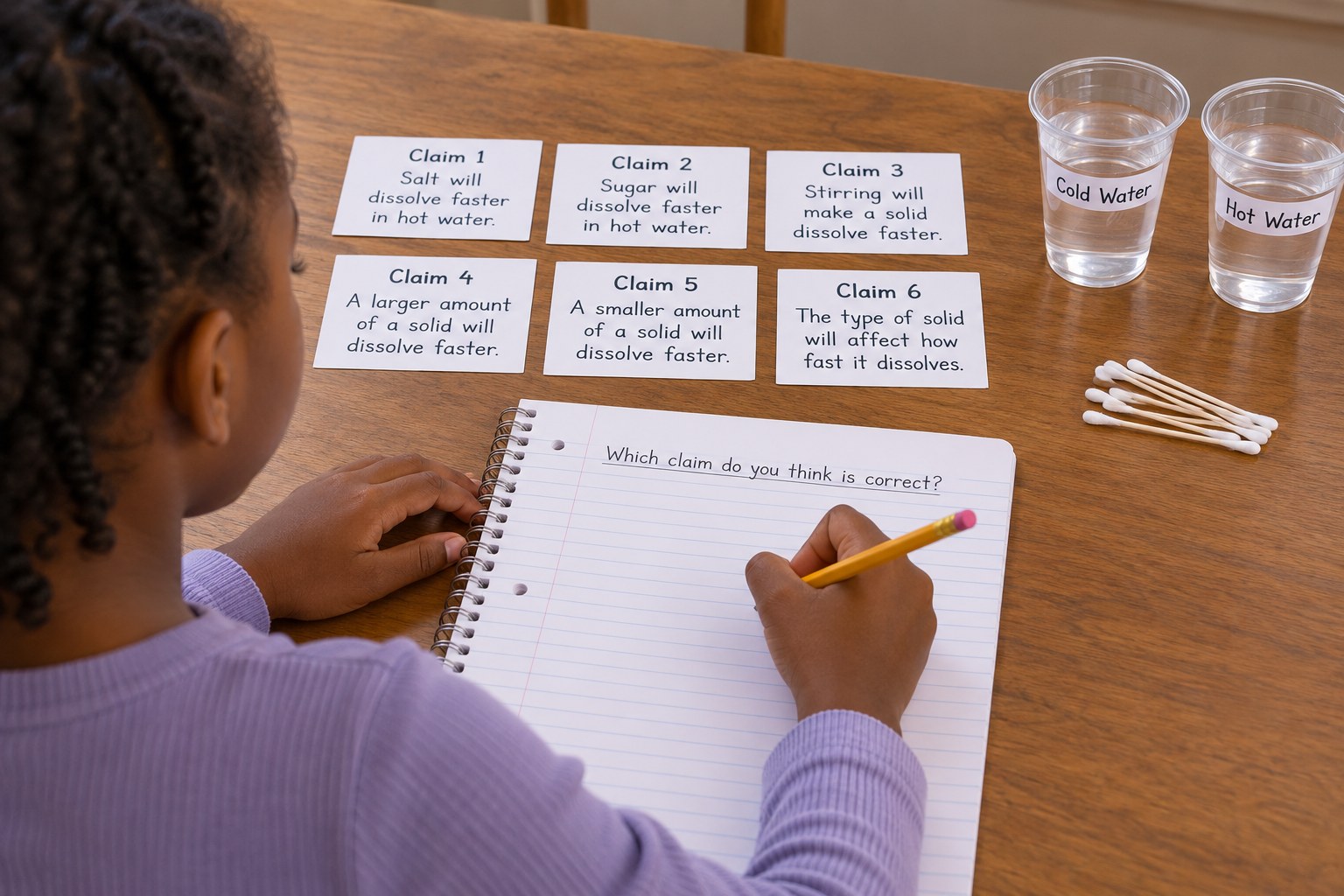
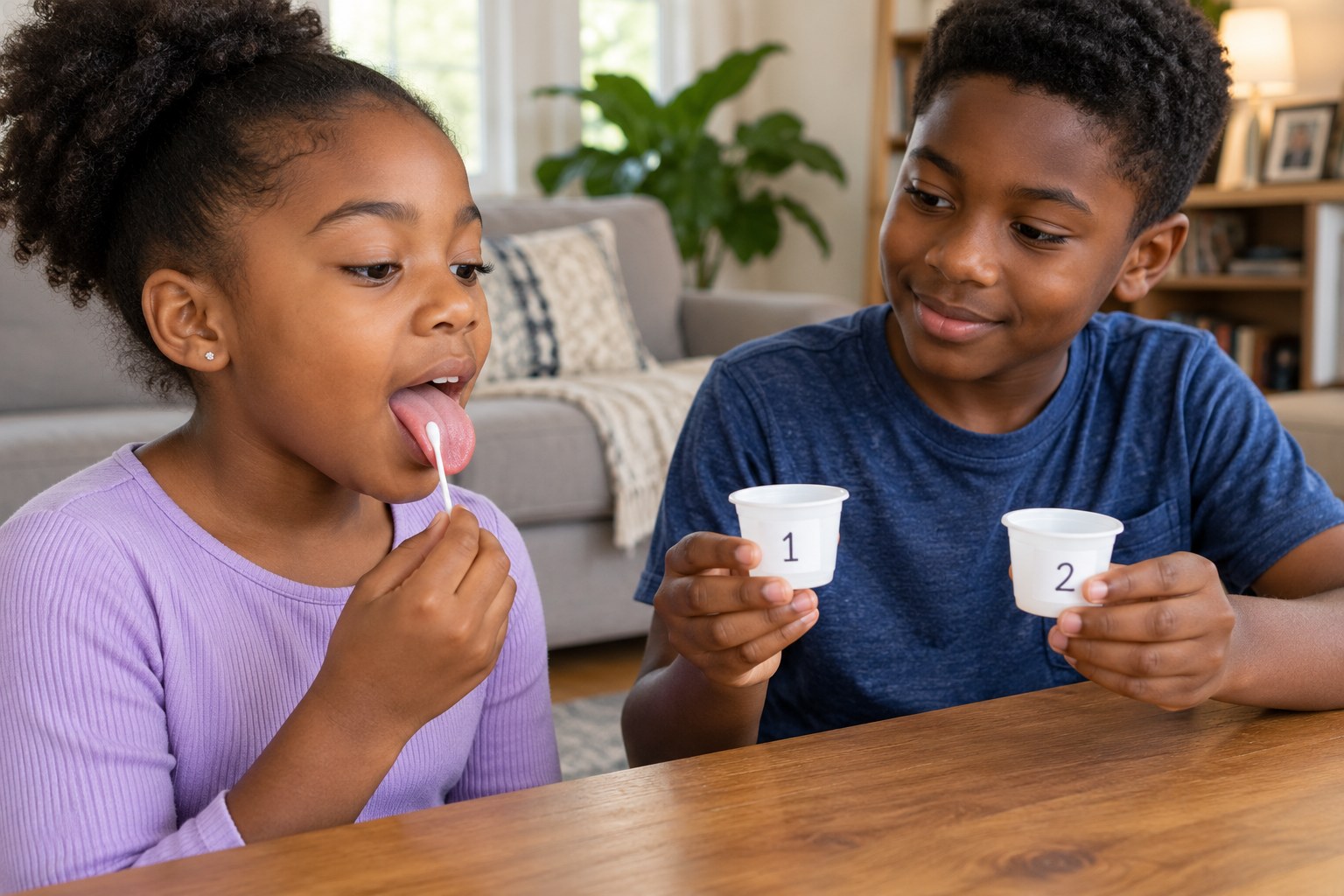
(8 min) The tongue-map claim says sweet is tasted only at the tip and salty only on the sides. Your teen dabs sugar water on the side of the tongue and salt water on the tip with clean swabs, then tries the opposite, and records what they taste. Discuss: does the result match the claim?
3Step 3
Read the evidence
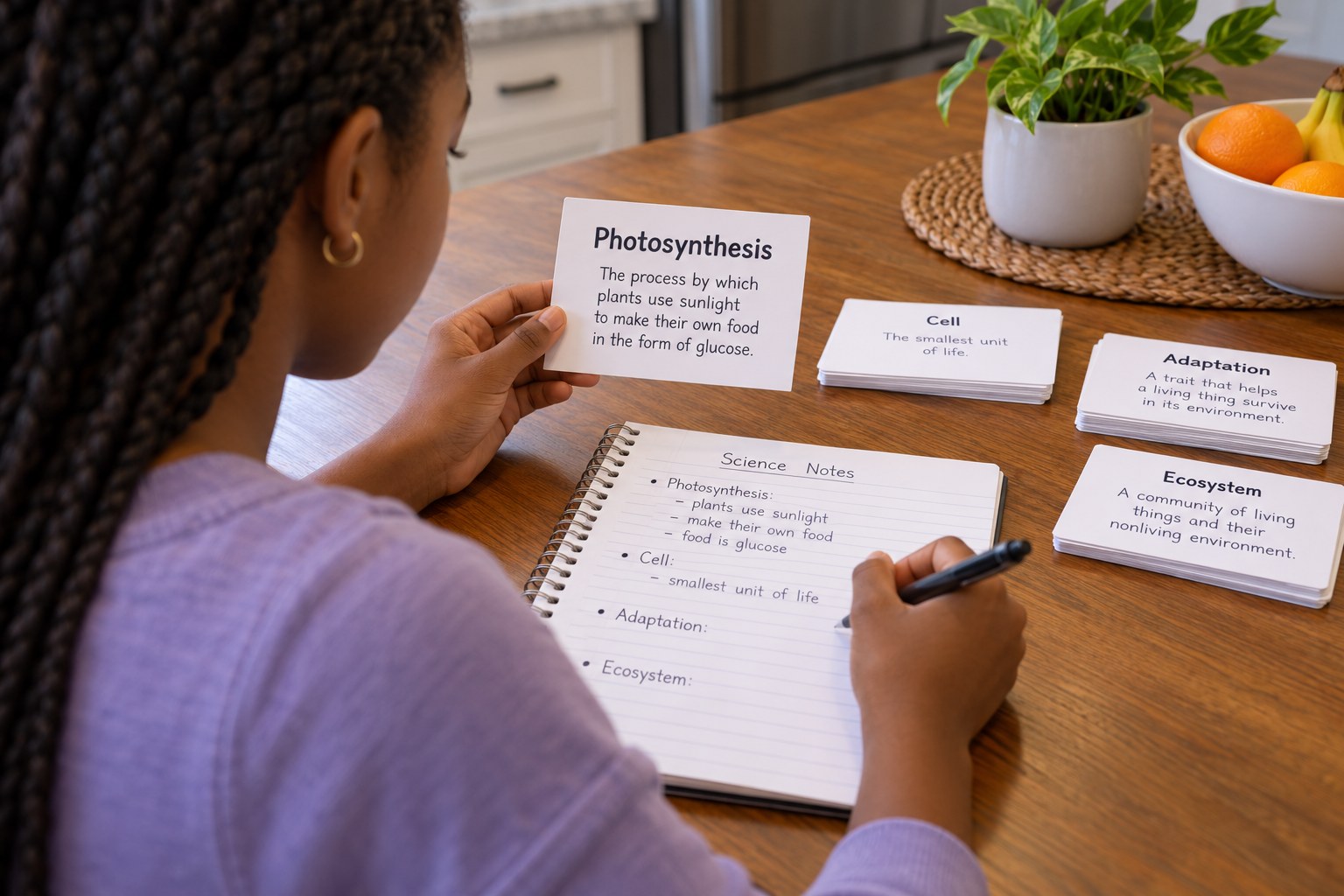
(12 min) Your teen reads the origin and evidence on each card. For each one they write: what reasoning led people to believe it, what the best evidence shows, and whether that evidence is relevant and sufficient (a single anecdote vs. many studies, for example).
4Step 4
Compare to predictions
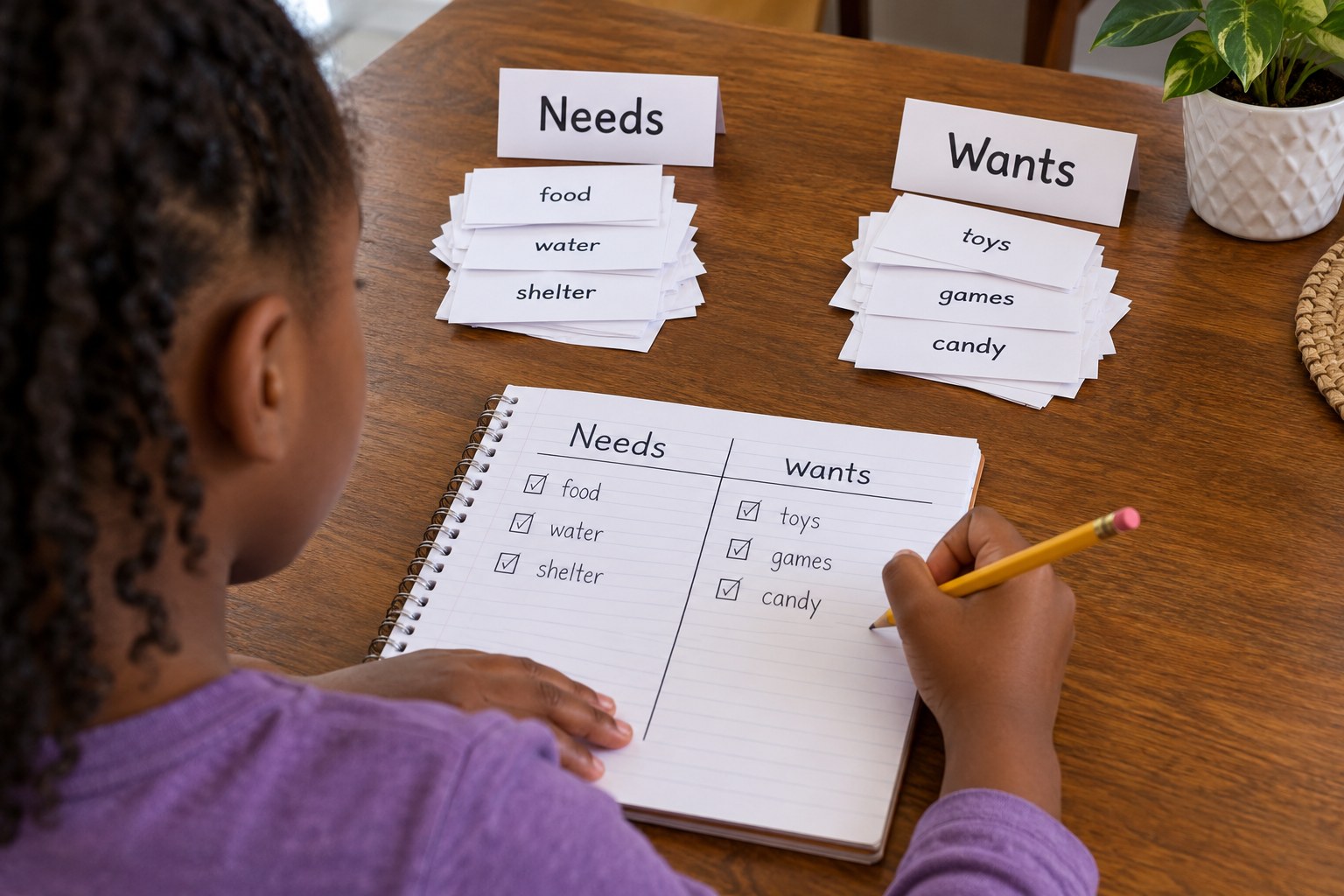
(5 min) Your teen re-sorts the cards and compares with the first sort. Which claims fooled them, and why do they think those myths spread so widely?
5Step 5
Write the argument
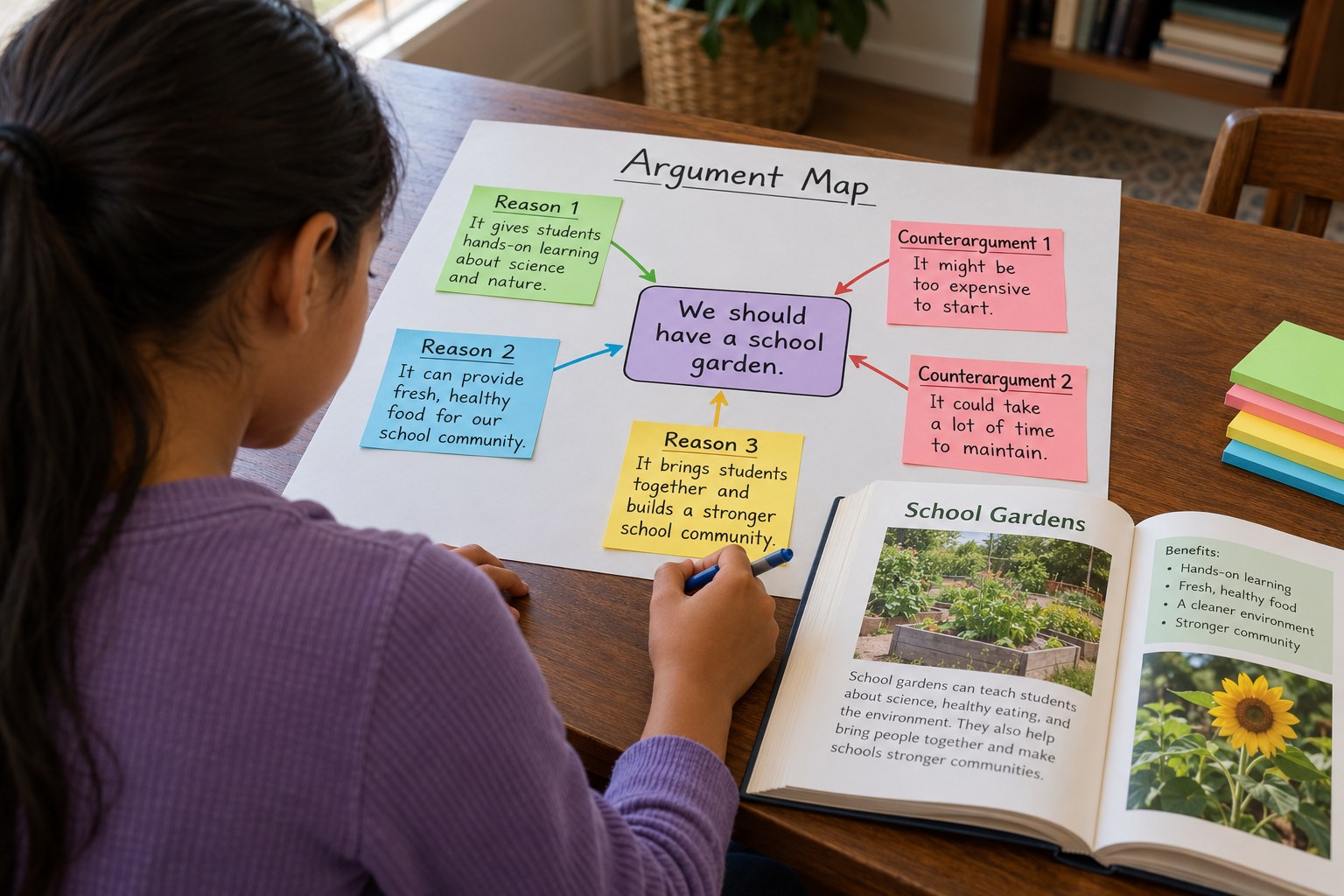
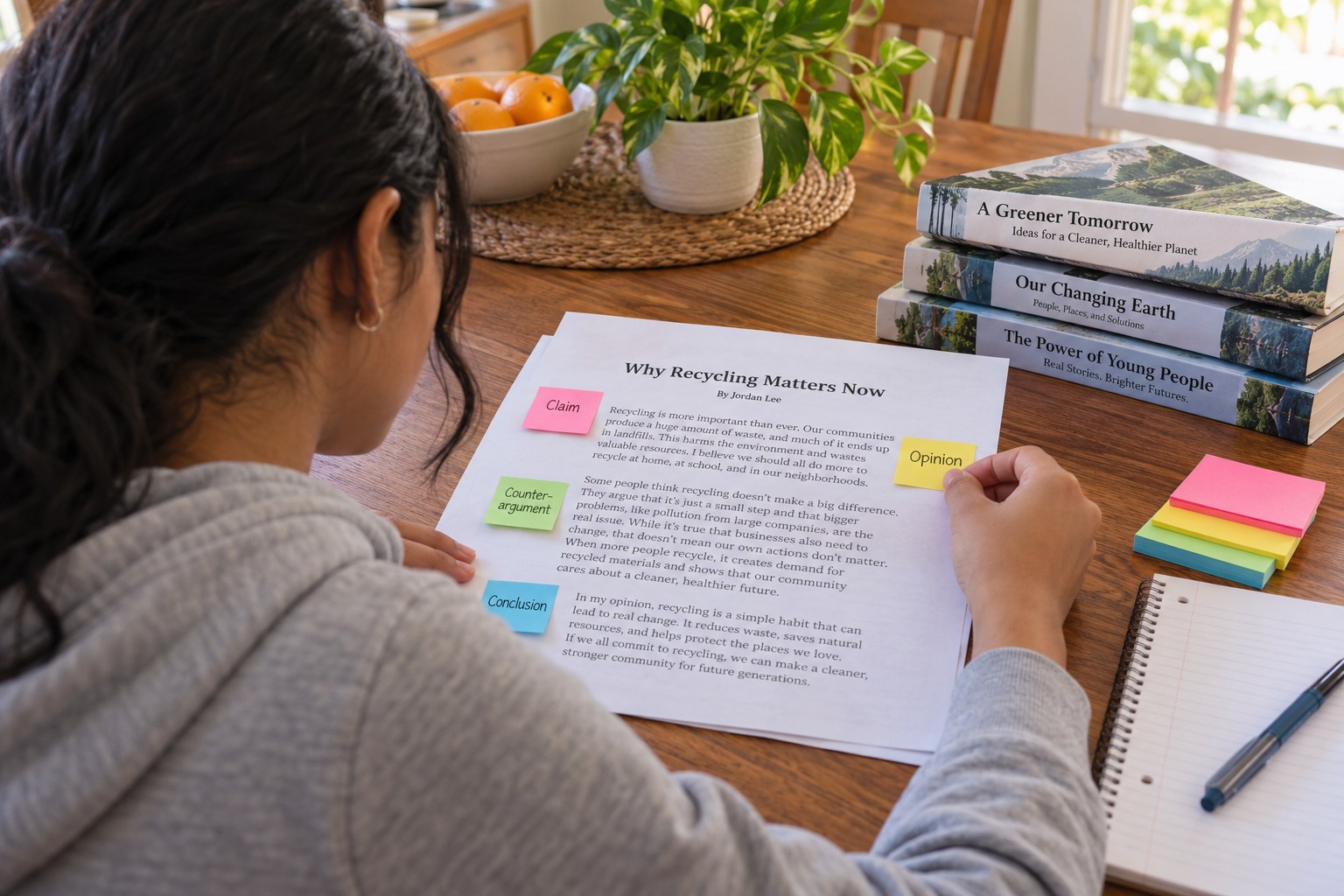
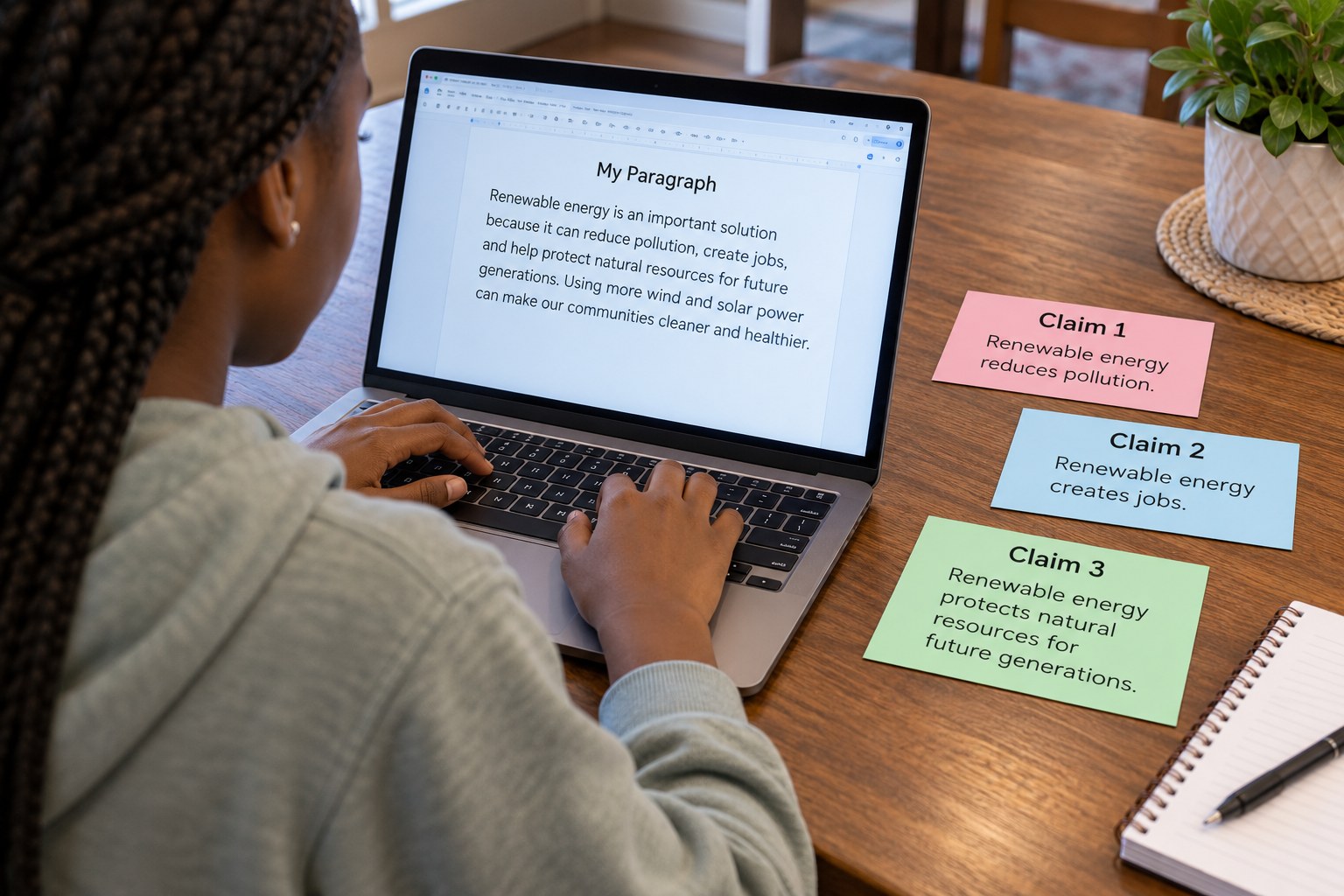
(15 min) Your teen picks one claim and writes a paragraph that states a clear claim of their own (myth or fact), gives two pieces of relevant evidence from credible sources, explains the reasoning that links the evidence to the claim, and addresses why people believed the myth. Read it aloud to a family member and revise one sentence based on their questions.
Conclusion
Ask: which myth did you believe before today? What's one question you will ask the next time you hear a surprising health fact?
Make your own lesson plan in minutes
Describe a topic and Resource Portal AI writes the objectives, materials and steps for your group.
Try Resource Portal AI