Free lesson planBlock by Block: Volume and Surface Area
STEAM1 HourGrades: 6th, 7th
Overview
Students will build models to understand volume and surface area, fostering collaboration and critical thinking.
Description
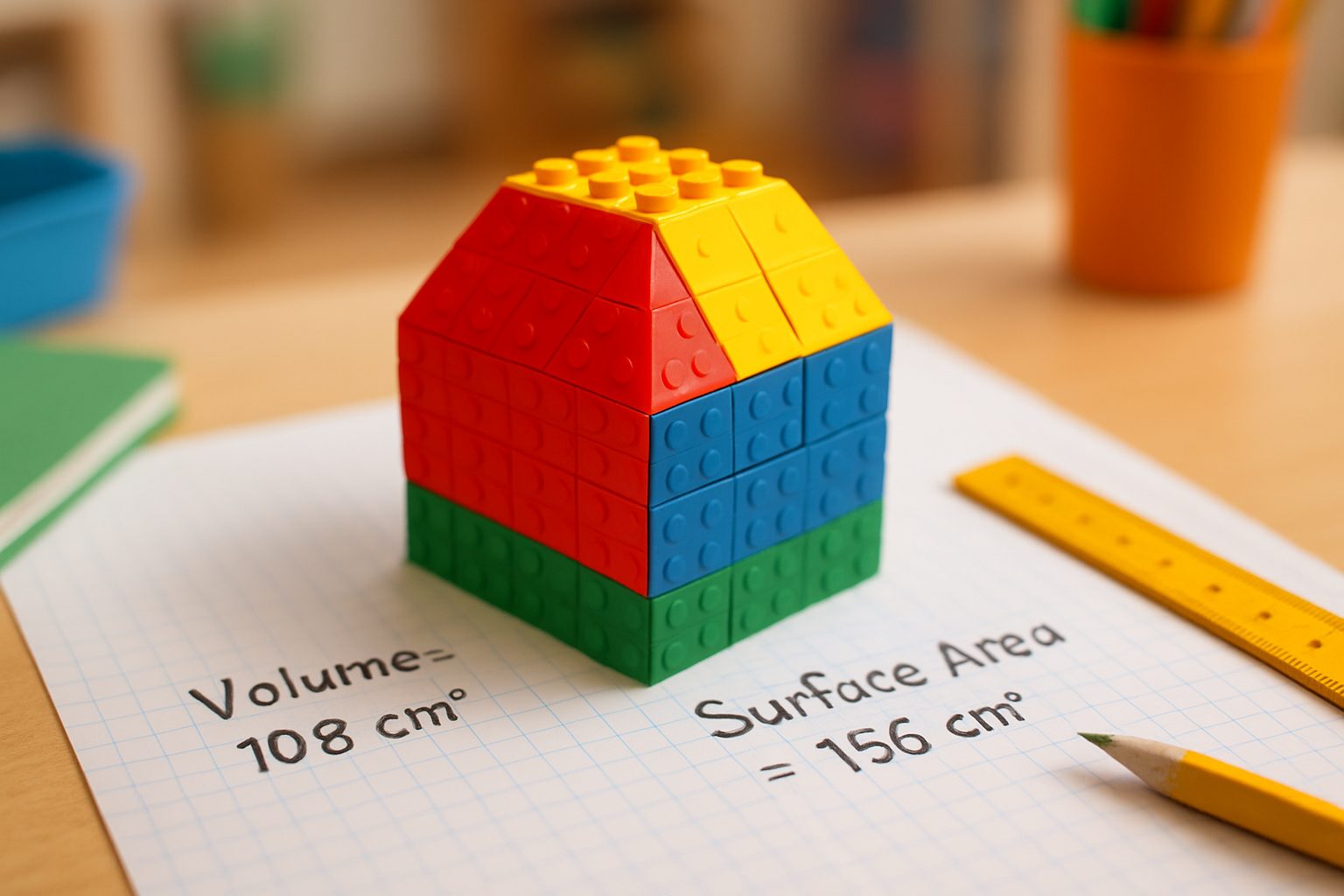
In this lesson, students will engage in a hands-on activity to explore the concepts of volume and surface area through building a 3D model using linking cubes. They will collaborate in groups to apply mathematical formulas and develop critical thinking skills while creating their structures. This lesson is designed to be interactive and encourage teamwork.
Objective
Students will collaboratively build a 3D model, calculating and analyzing its volume and surface area using mathematical formulas.
Standards
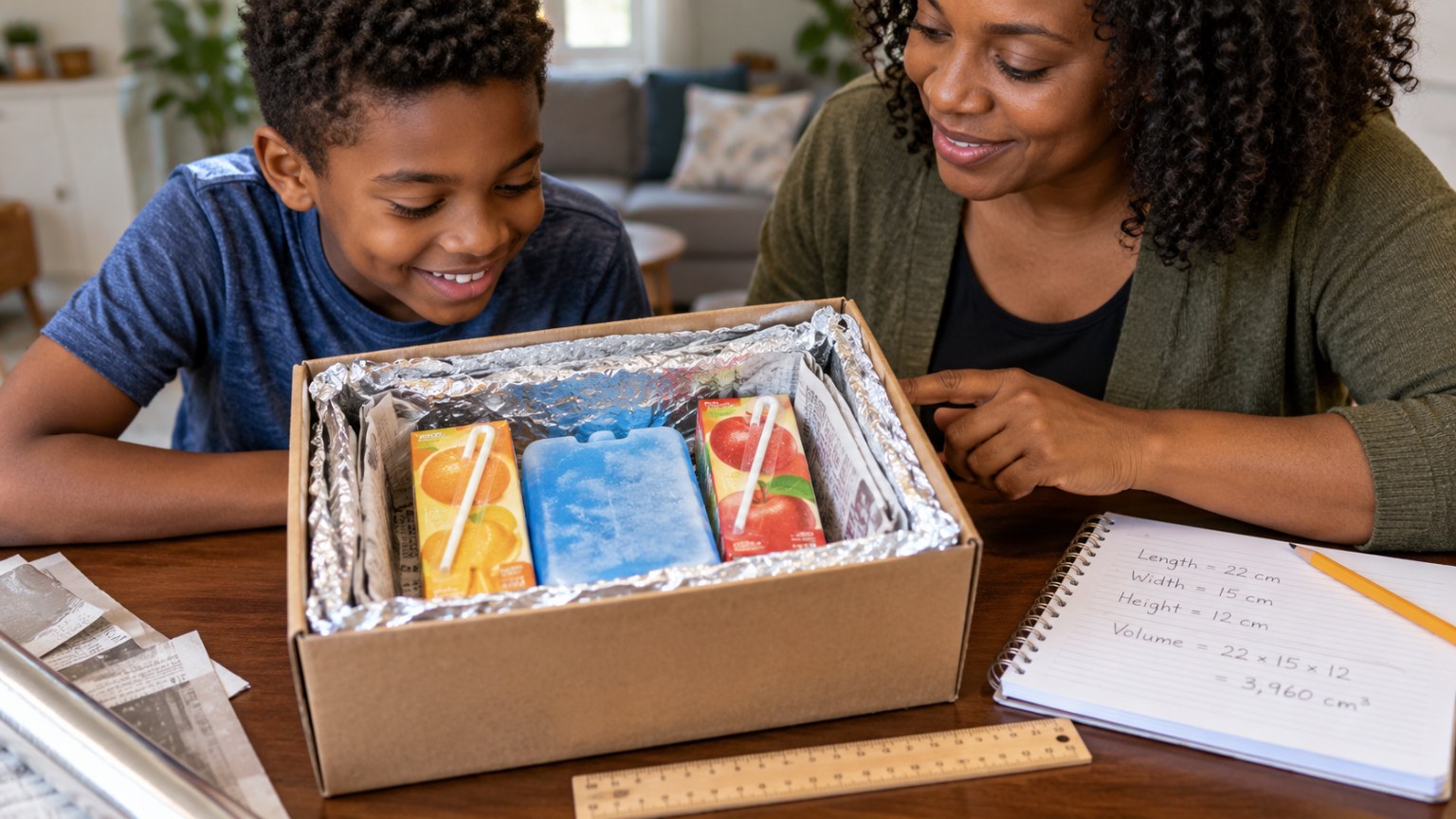
6.G.2Math · Grade 6 · Geometry Find the volume of a right rectangular prism with fractional edge lengths by packing it with unit cubes of the appropriate unit fraction edge lengths, and show that the volume is the same as would be found by multiplying the edge lengths of the prism. Apply the formulas V = l w h and V = b h to find volumes of right rectangular prisms with fractional edge lengths in the context of solving real-world and mathematical problems.
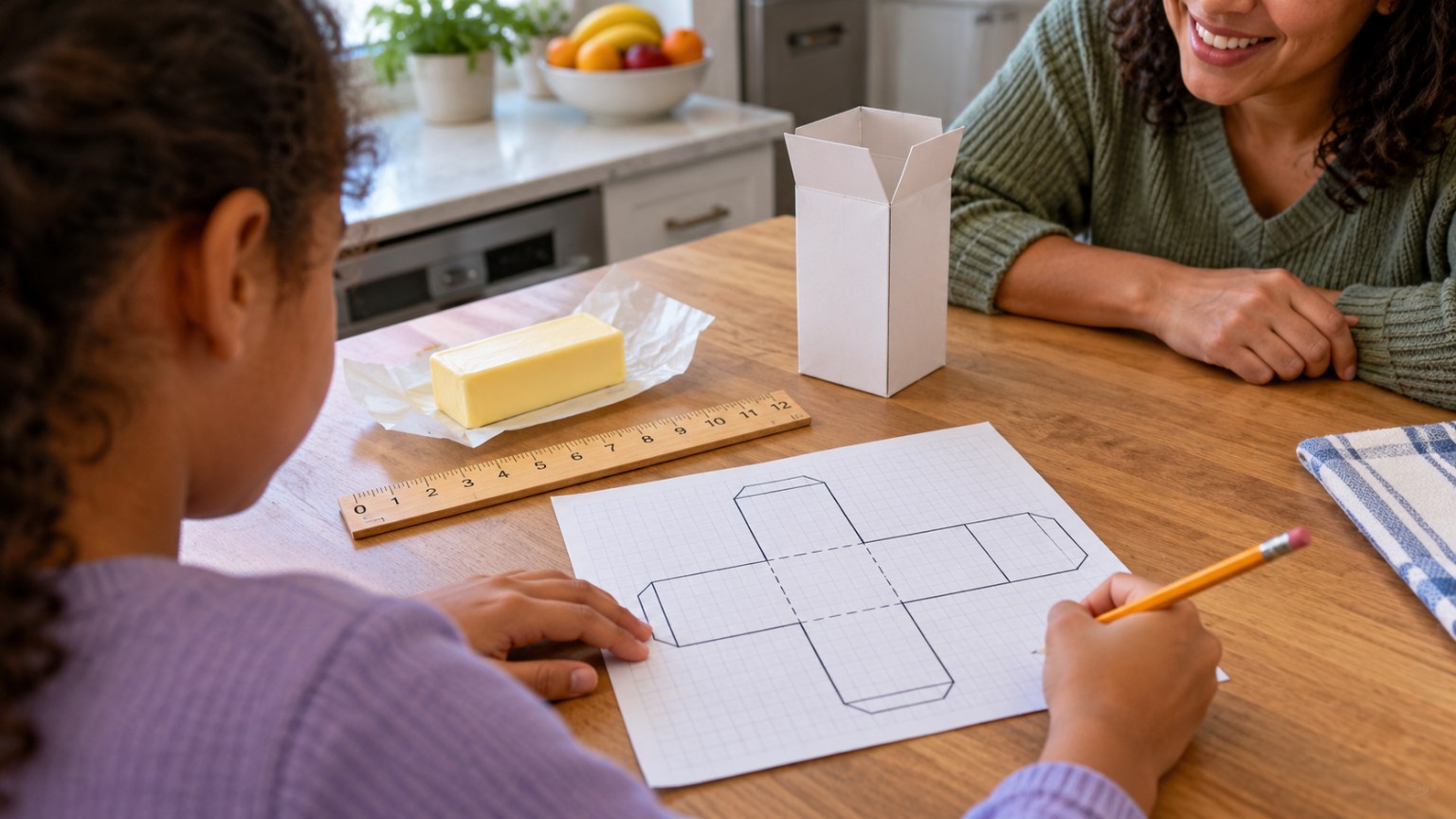
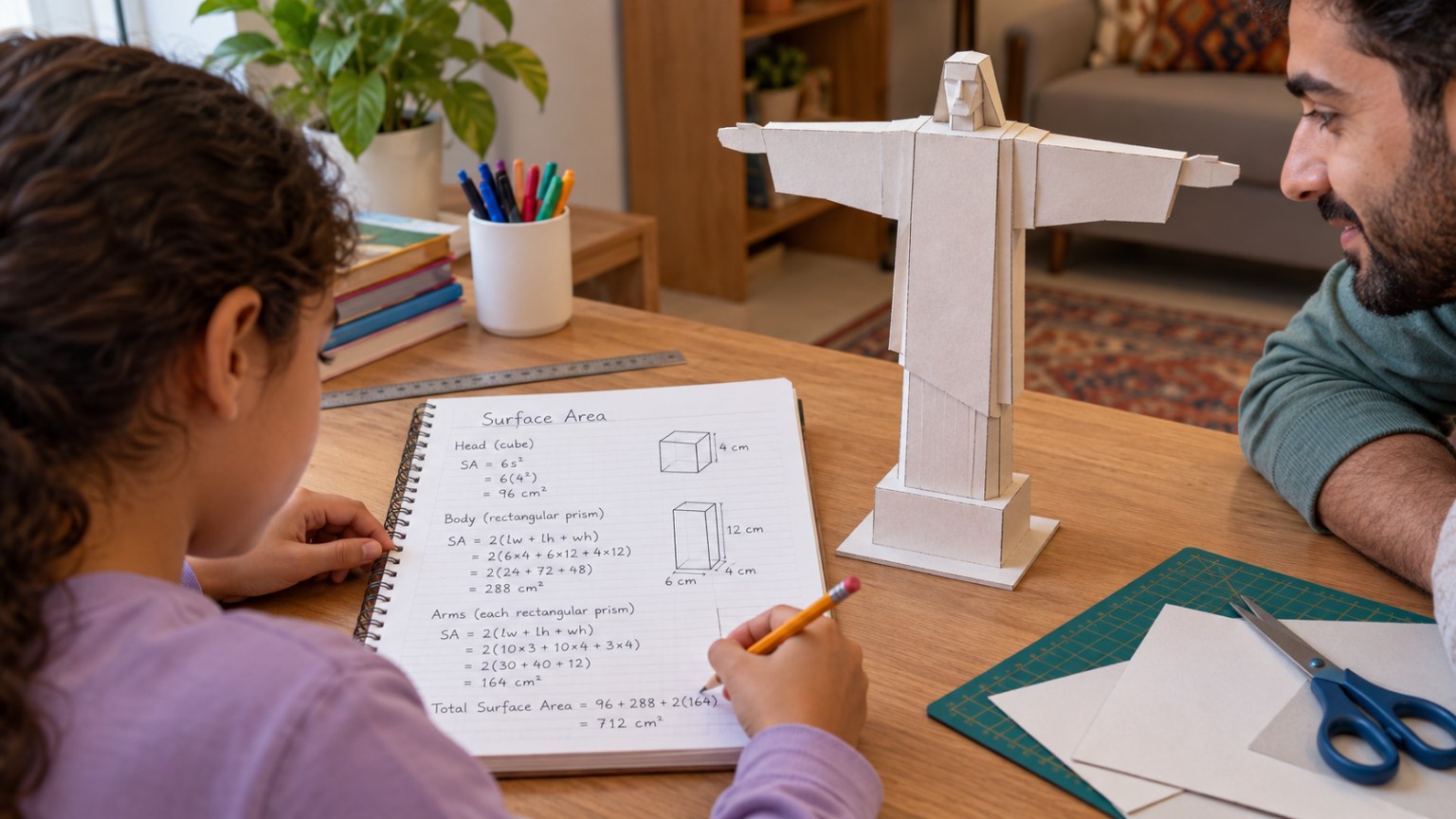
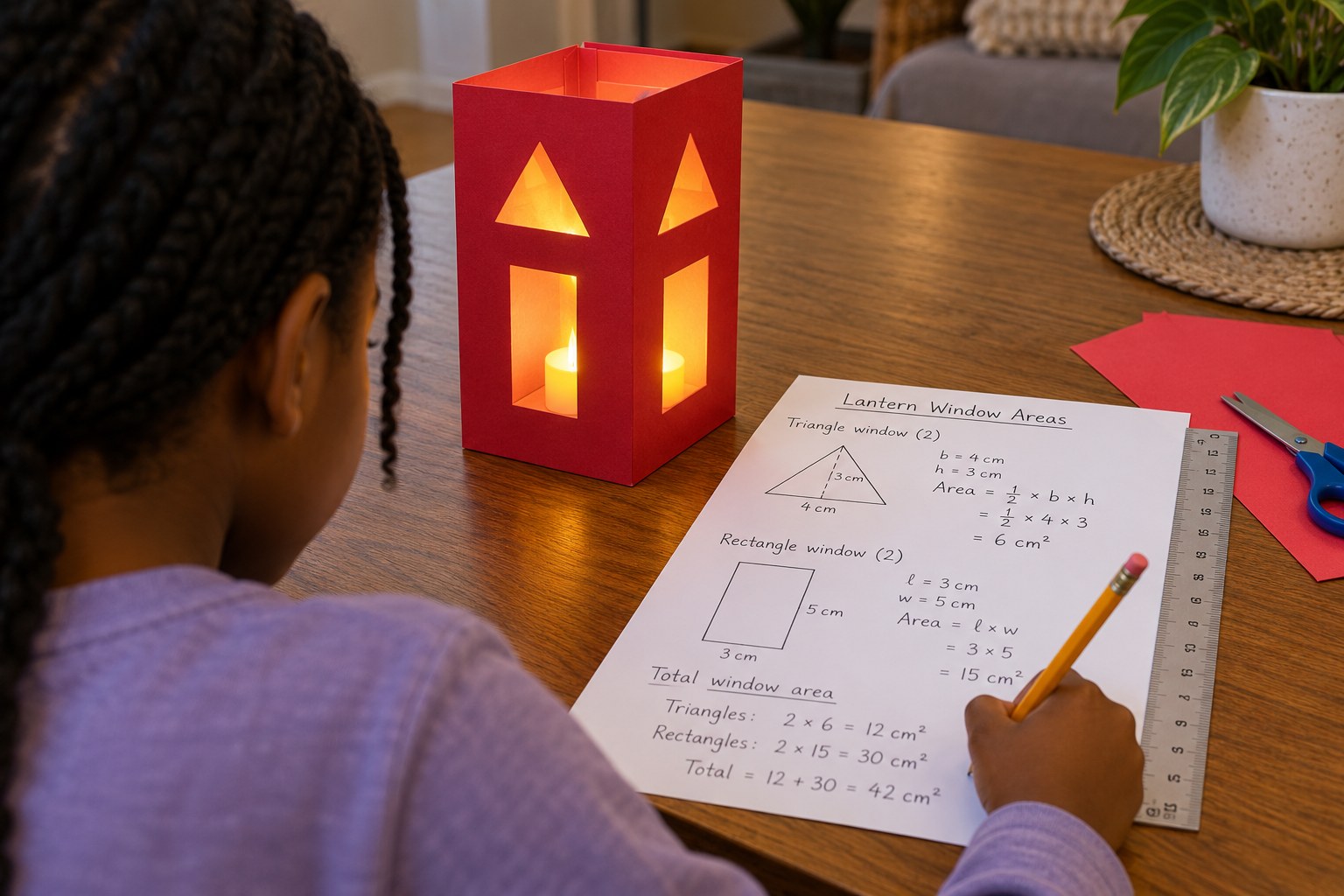
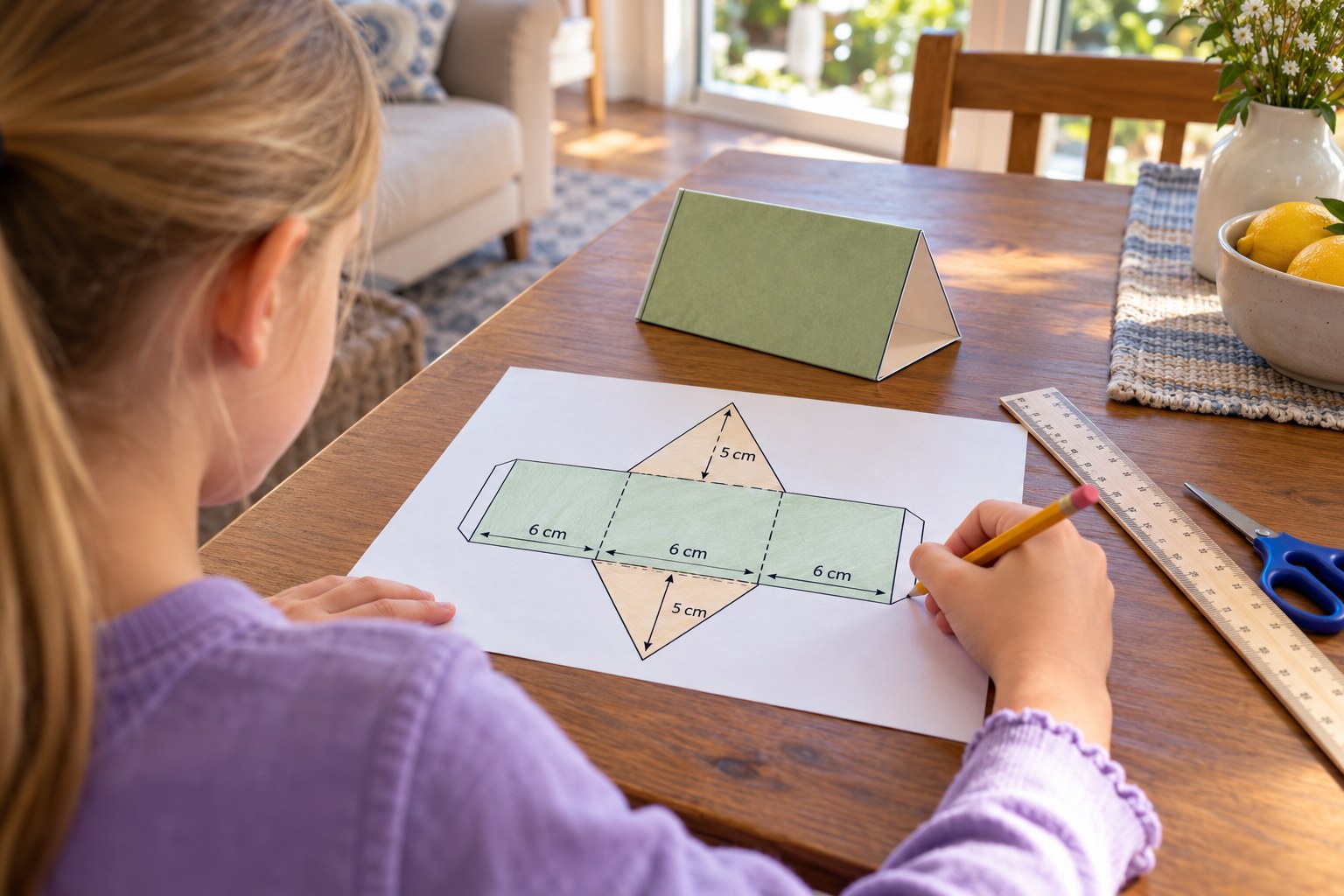
6.G.4Math · Grade 6 · Geometry Represent three-dimensional figures using nets made up of rectangles and triangles, and use the nets to find the surface area of these figures. Apply these techniques in the context of solving real-world and mathematical problems.
MP.4Math · Grade K-12 · Mathematical Practices Model with mathematics.
Materials
| Item | Quantity |
|---|
| Linking Cubes | 250 pieces |
| Measuring Tape | 5 pieces |
| Graph Paper | 20 sheets |
| Markers | 10 pieces |
| Calculators | 5 pieces |
Vocabulary
Volume
The amount of space occupied by a 3D object.
Surface Area
The total area that the surface of a 3D object occupies.
Cuboid
A three-dimensional shape with six rectangular faces.
Formula
A mathematical equation used to calculate a value.
Dimension
A measurable extent of a shape or object, such as length, width, or height.
Preparation
- Gather all materials and ensure there are enough linking cubes for each group.
- Prepare measuring tapes and calculators for student use.
- Set up the classroom in groups for collaborative work.
- Create a handout with volume and surface area formulas for reference.
Introduction
(5 min) Show a quick video of a building being constructed, highlighting the importance of volume and surface area in architecture. Ask students, 'Why do you think these measurements are important in real life?' Students will discuss their thoughts in groups.
Steps
1Step 1
Forming Groups
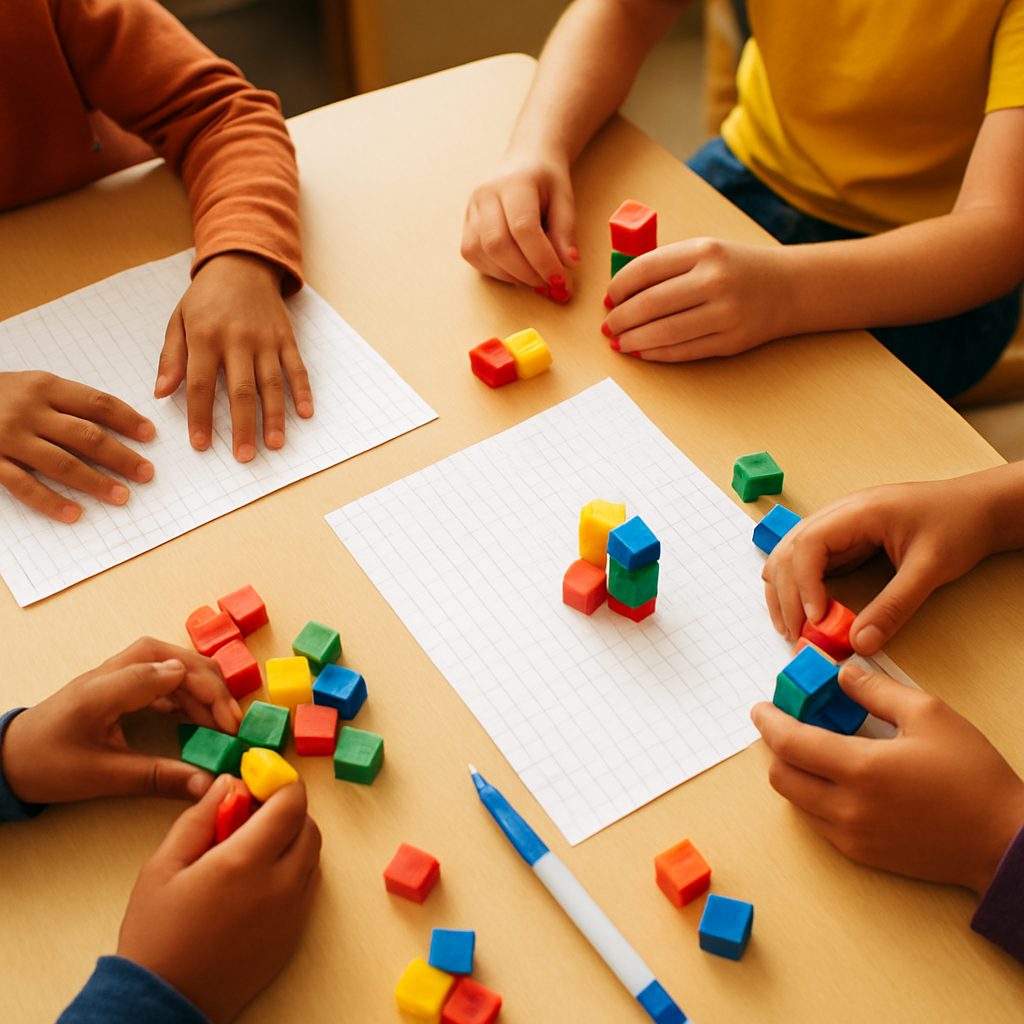
(5 min) Begin by forming groups of 4 students. Distribute 60 linking cubes, 2 markers, and 1 sheet of graph paper to each group. The teacher will say, 'Make sure everyone knows their role in the group!' Students will discuss their roles and expectations, ensuring they are ready to collaborate effectively. By the end, each group should have a clear understanding of their responsibilities and be organized at their workspace.
2Step 2
Brainstorming Designs
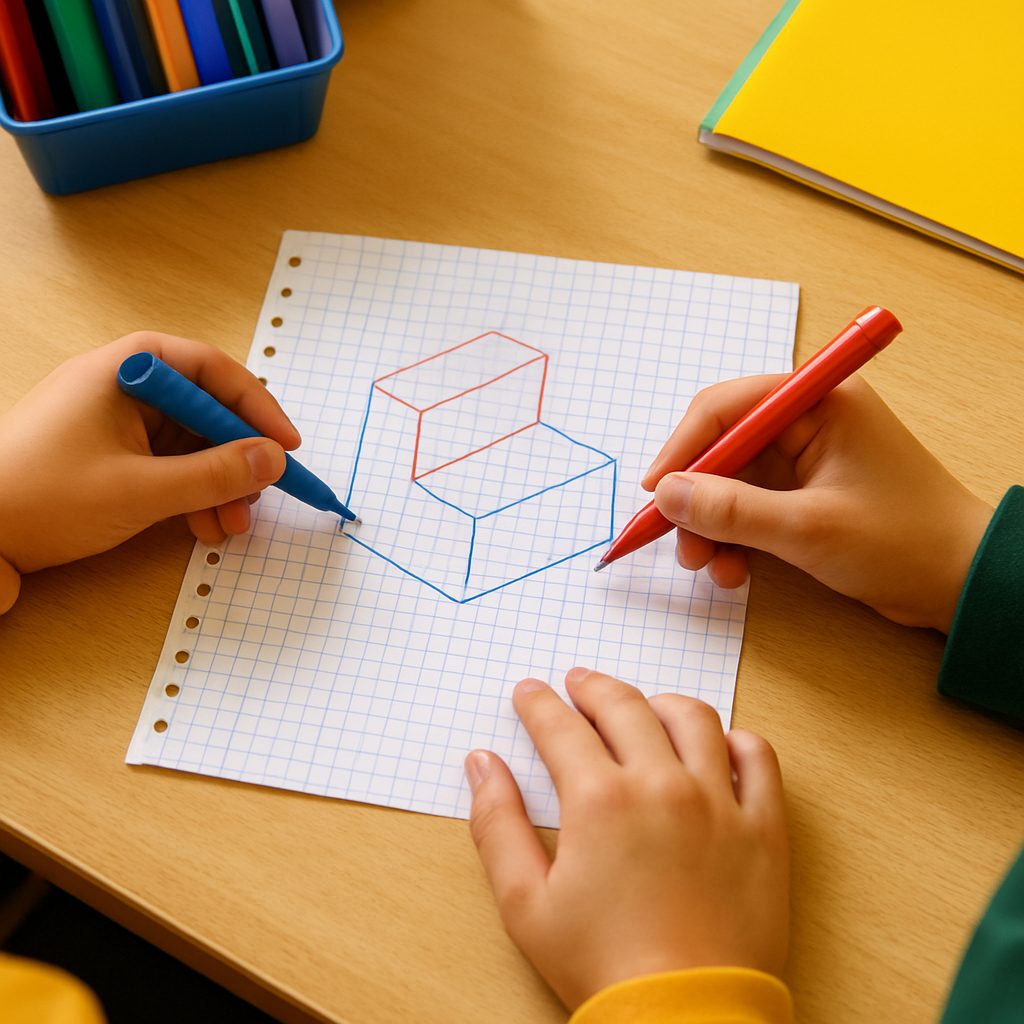
(15 min) Students will brainstorm and sketch their design for the 3D model using the 2 markers and 1 sheet of graph paper provided to their group. The teacher will prompt, 'Think carefully about the volume and surface area you want to achieve.' Each group will collaboratively sketch their design, considering the shapes they need to use. By the end of this time, each group should have a finalized design ready to build.
3Step 3
Constructing Models
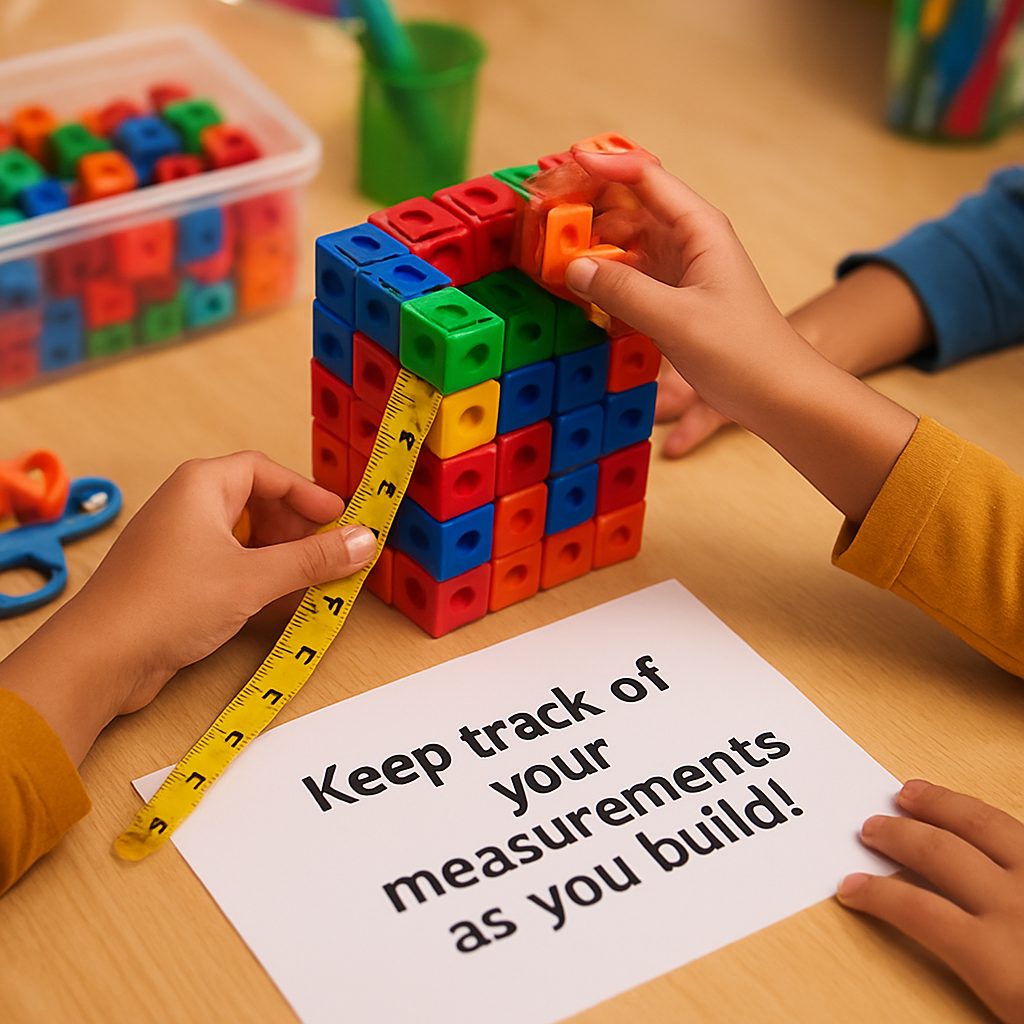
(25 min) Groups will construct their model using the 60 linking cubes according to their design. The teacher will remind them, 'Keep track of your measurements as you build!' Each group will measure dimensions with the 1 measuring tape provided and note how many cubes they use for height, width, and depth. By the end, each group should have a completed model, ready for calculations.
4Step 4
Calculating Dimensions
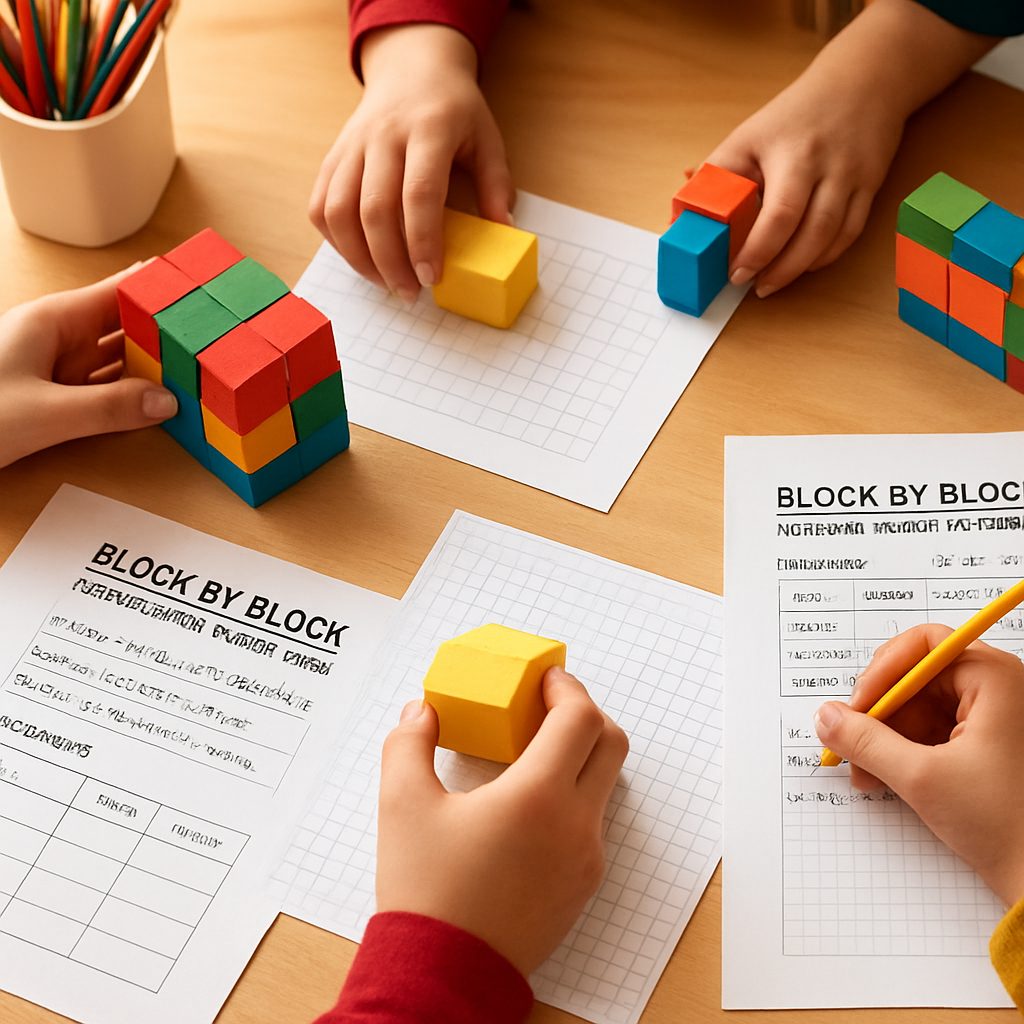
(10 min) Once the models are built, each group will calculate the volume and surface area using the provided formulas on the handouts and record their findings on their graph paper. The teacher will ask, 'How did your design choices impact your calculations?' Students will discuss their findings and ensure they have recorded all necessary calculations correctly. By the end of this time, each group should have their calculations documented.
5Step 5
Group Presentations
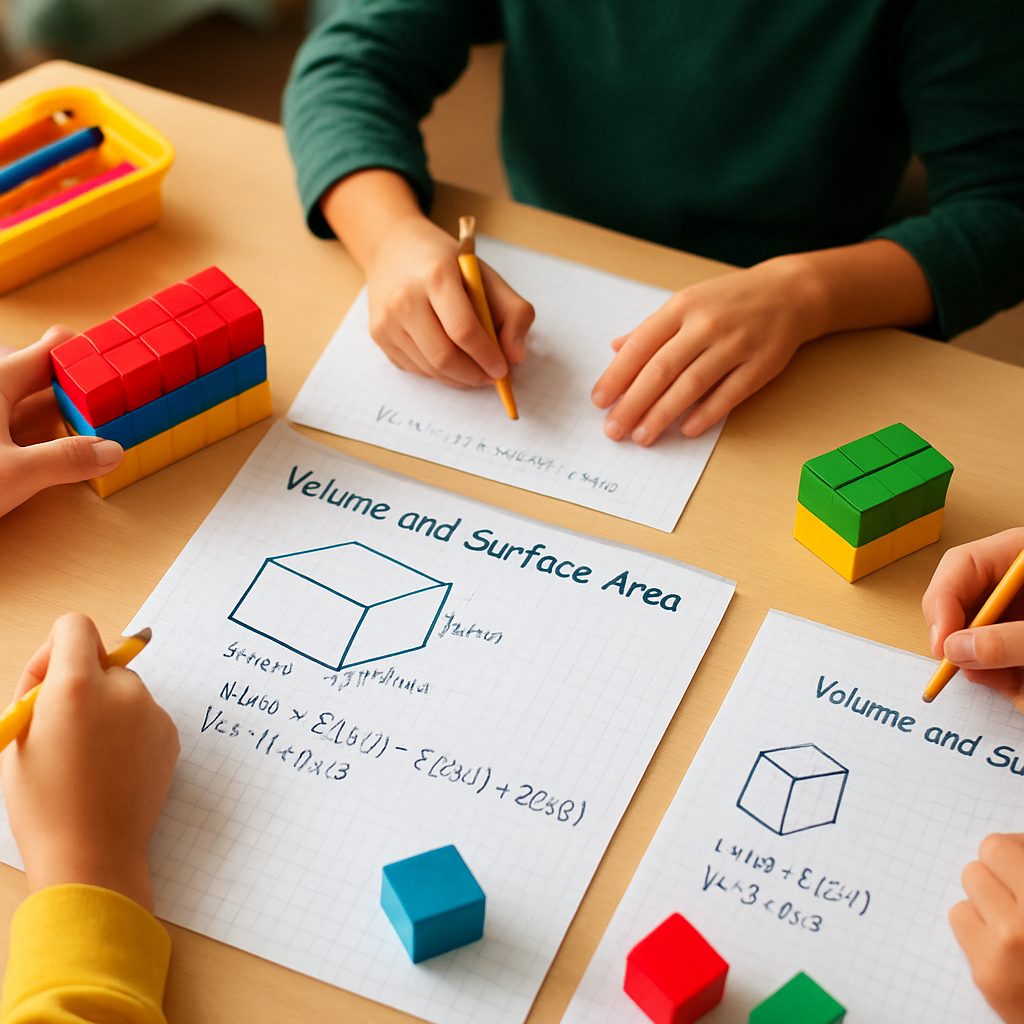
(5 min) Each group will present their model to the class, explaining their volume and surface area calculations. The teacher will prompt, 'What was the most surprising thing you learned from this activity?' Students will share their calculations and reflect on their learning process. By the end, each group should have presented their work and engaged in a thoughtful discussion.
Conclusion
Reflect on how understanding volume and surface area can help in real-world applications, such as designing buildings or packaging. Discuss what strategies worked well and what they found challenging during the activity.
Make your own lesson plan in minutes
Describe a topic and Resource Portal AI writes the objectives, materials and steps for your group.
Try Resource Portal AI