Free lesson planWhy Free Kicks Curve: The Magnus Effect
Science1 HourGrades: 6th, 7th, 8th
Overview
Discover the physics behind why free kicks curve with the Magnus Effect! Engage in experiments and collaborative activities to understand this fascinating concept in sports science.
Description
In this lesson, students will explore the Magnus Effect and its role in the curvature of free kicks in sports. Through hands-on activities and collaborative experiments, they will analyze how spin affects the trajectory of a ball, developing their critical thinking and problem-solving skills.
Objective
Students will understand and demonstrate the Magnus Effect by conducting experiments that show how spinning a ball affects its trajectory.
Standards
6.SP.1Math · Grade 6 · Statistics & Probability Recognize a statistical question as one that anticipates variability in the data related to the question and accounts for it in the answers.
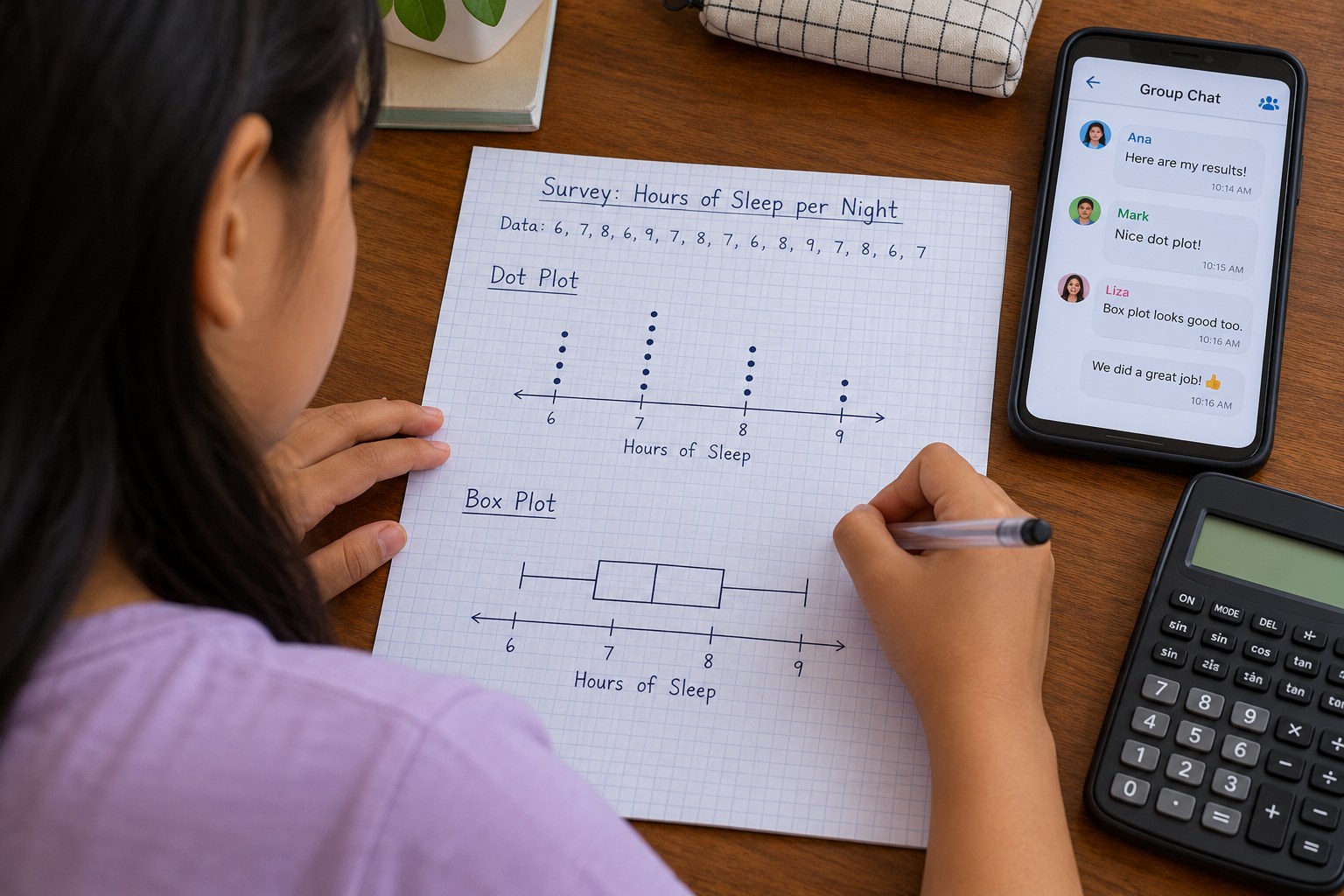
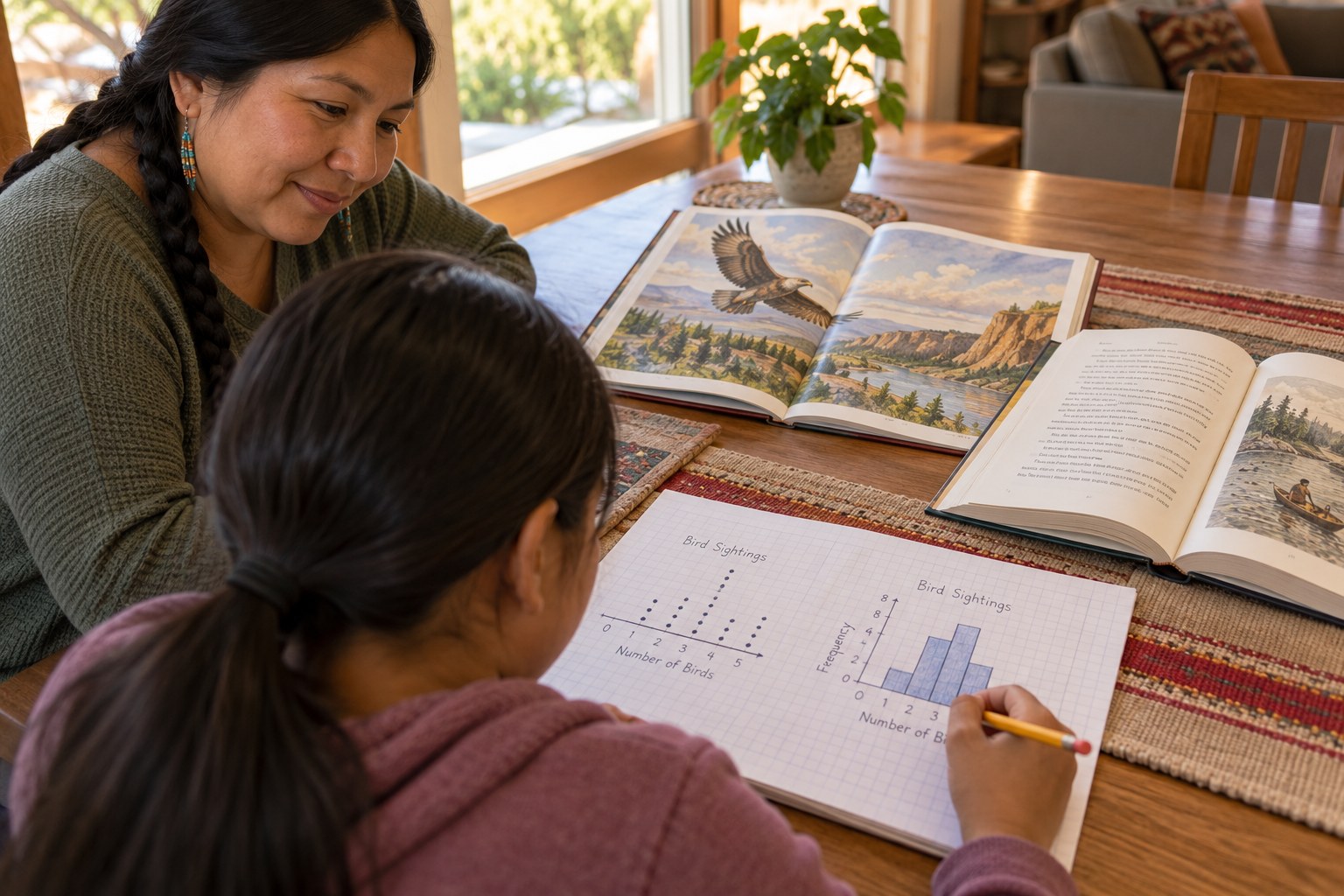
6.SP.4Math · Grade 6 · Statistics & Probability Display numerical data in plots on a number line, including dot plots, histograms, and box plots.
7.SP.1Math · Grade 7 · Statistics & Probability Understand that statistics can be used to gain information about a population by examining a sample of the population; generalizations about a population from a sample are valid only if the sample is representative of that population. Understand that random sampling tends to produce representative samples and support valid inferences.
Materials
| Item | Quantity |
|---|
| Soccer balls | 4 pieces |
| Measuring tape | 4 pieces |
| Markers | 10 pieces |
| Whiteboard | 1 piece |
| Stopwatch | 4 pieces |
| Graph paper | 20 sheets |
Vocabulary
Magnus Effect
The phenomenon where a spinning object curves away from its initial path due to pressure differences.
Trajectory
The path followed by a projectile moving through space.
Spin
The rotation of an object around its own axis.
Force
A push or pull acting upon an object.
Velocity
The speed of an object in a given direction.
Preparation
- Set up a clear area for soccer ball experiments.
- Gather all necessary materials and divide them among groups.
- Prepare a whiteboard for recording results and observations.
Introduction
Show a video clip of famous free kicks in soccer and discuss the ball's movement.
What do you think causes a soccer ball to curve when kicked?
How does the spin of a ball affect its path?
Steps
1Step 1
Introduction to the Magnus Effect
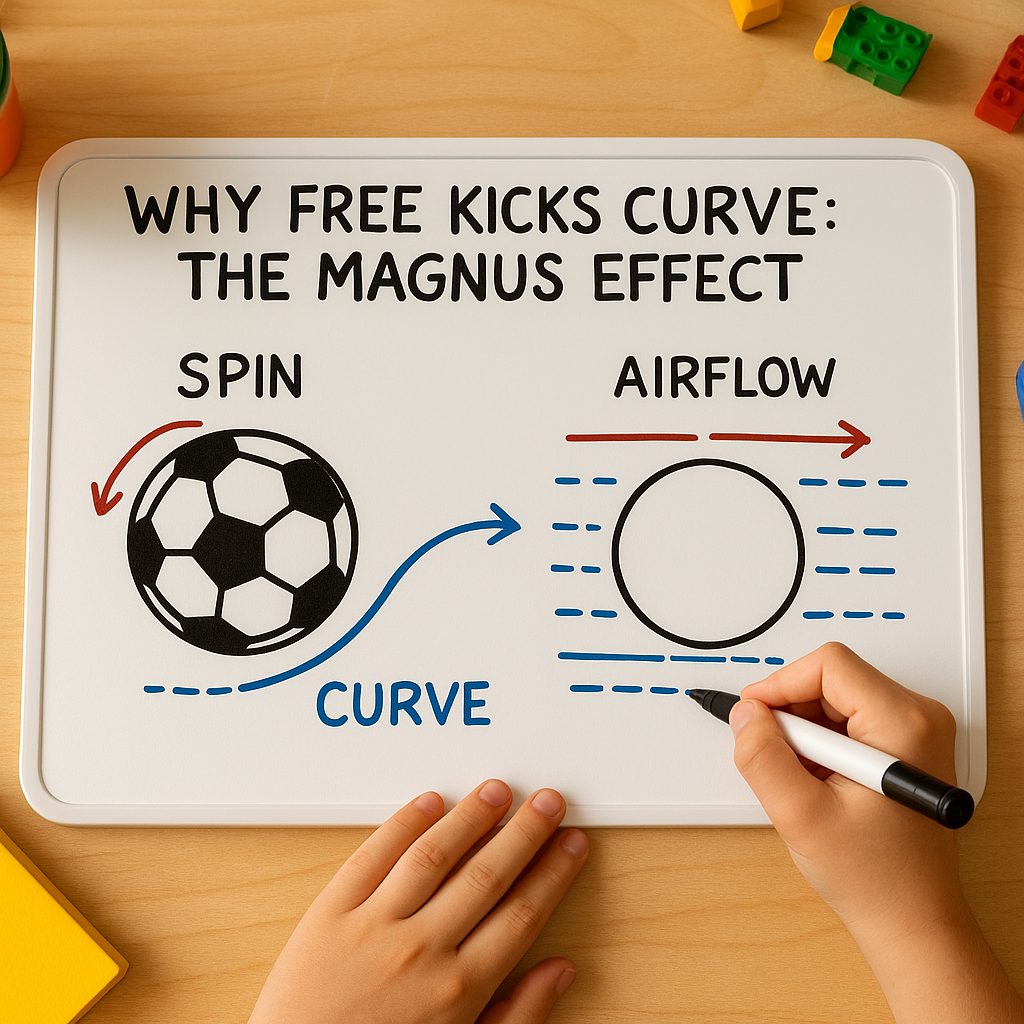
Introduce the concept of the Magnus Effect and how it relates to sports. Discuss the physics behind why spinning objects curve. Use a whiteboard to illustrate key points.
2Step 2
Set Up Experiments
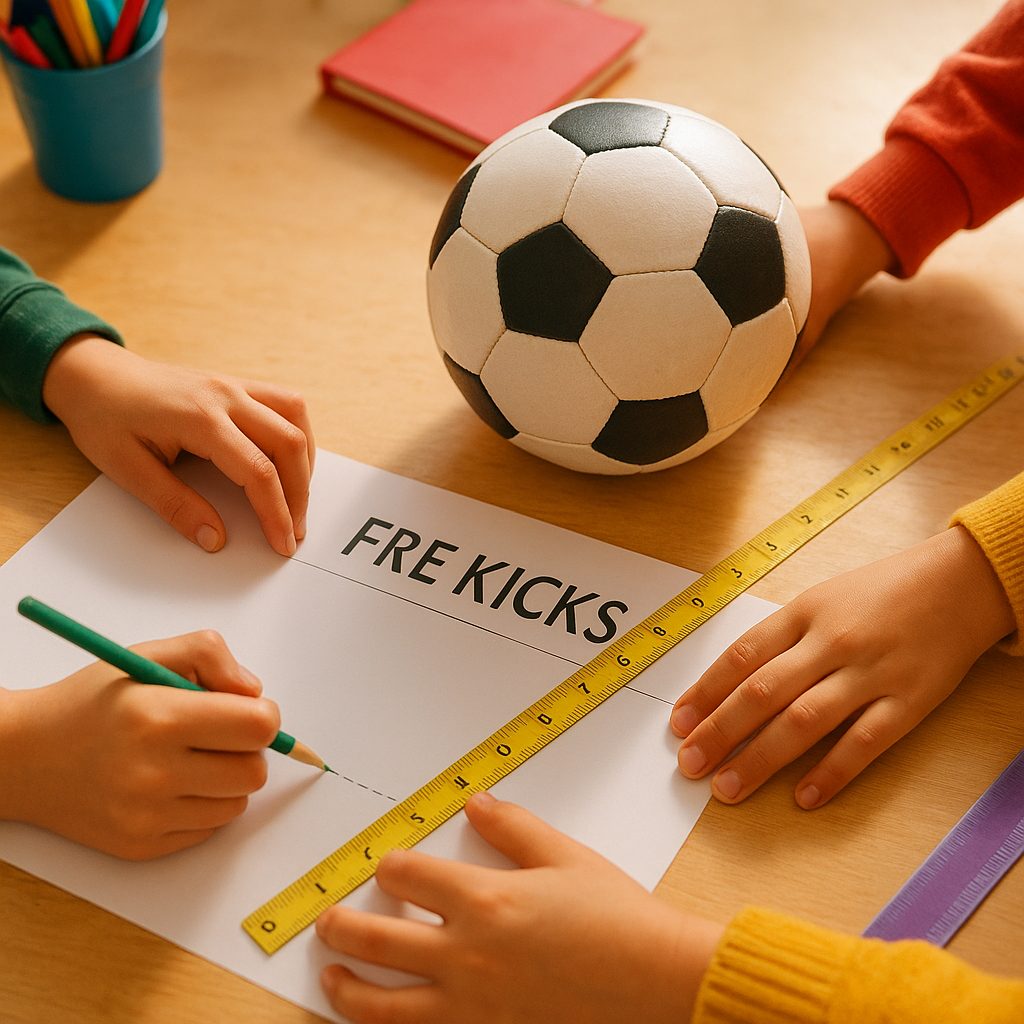
Divide students into small groups. Each group will set up a soccer ball experiment to observe the Magnus Effect. They will measure and mark distances for their free kicks using measuring tape.
3Step 3
Conduct the Experiment
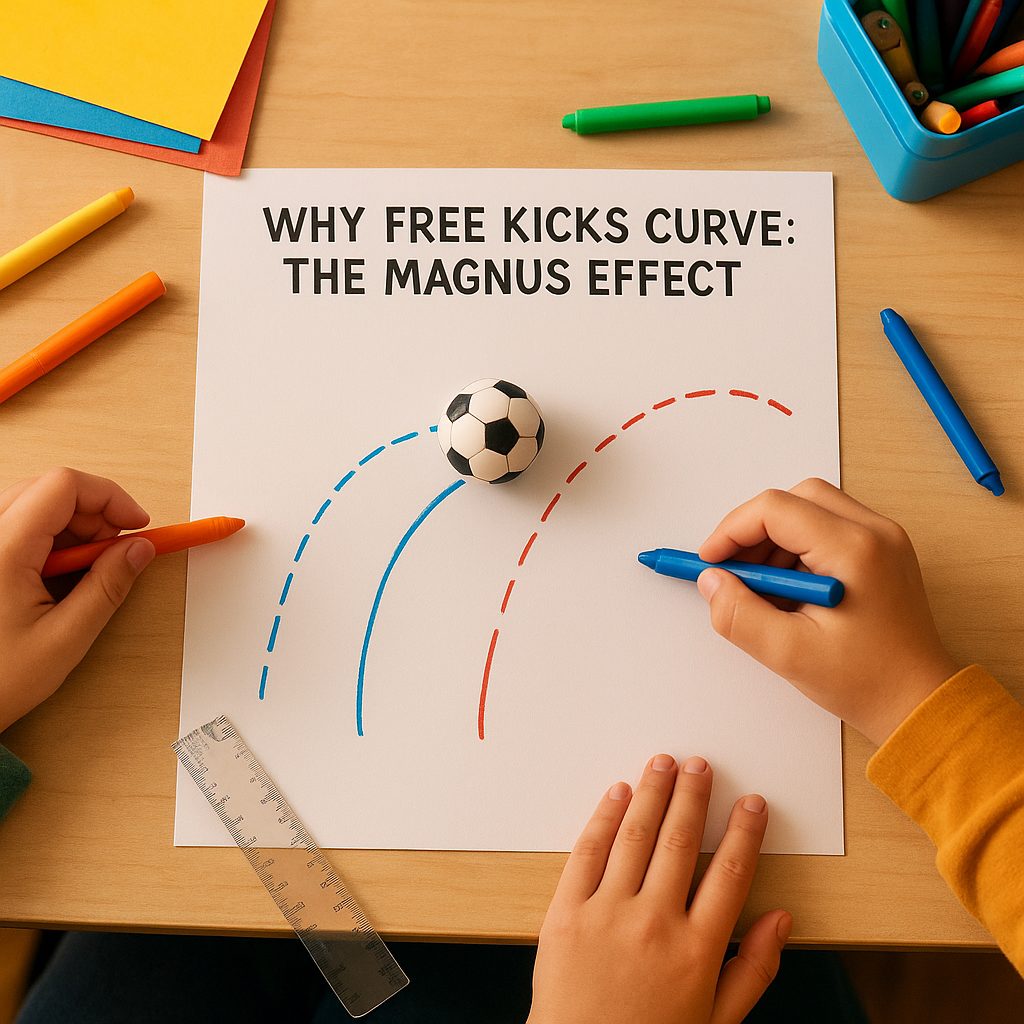
Students take turns kicking the soccer ball with different spins and observing the trajectories. They will record their findings including distance and curve using markers.
4Step 4
Analyze Data
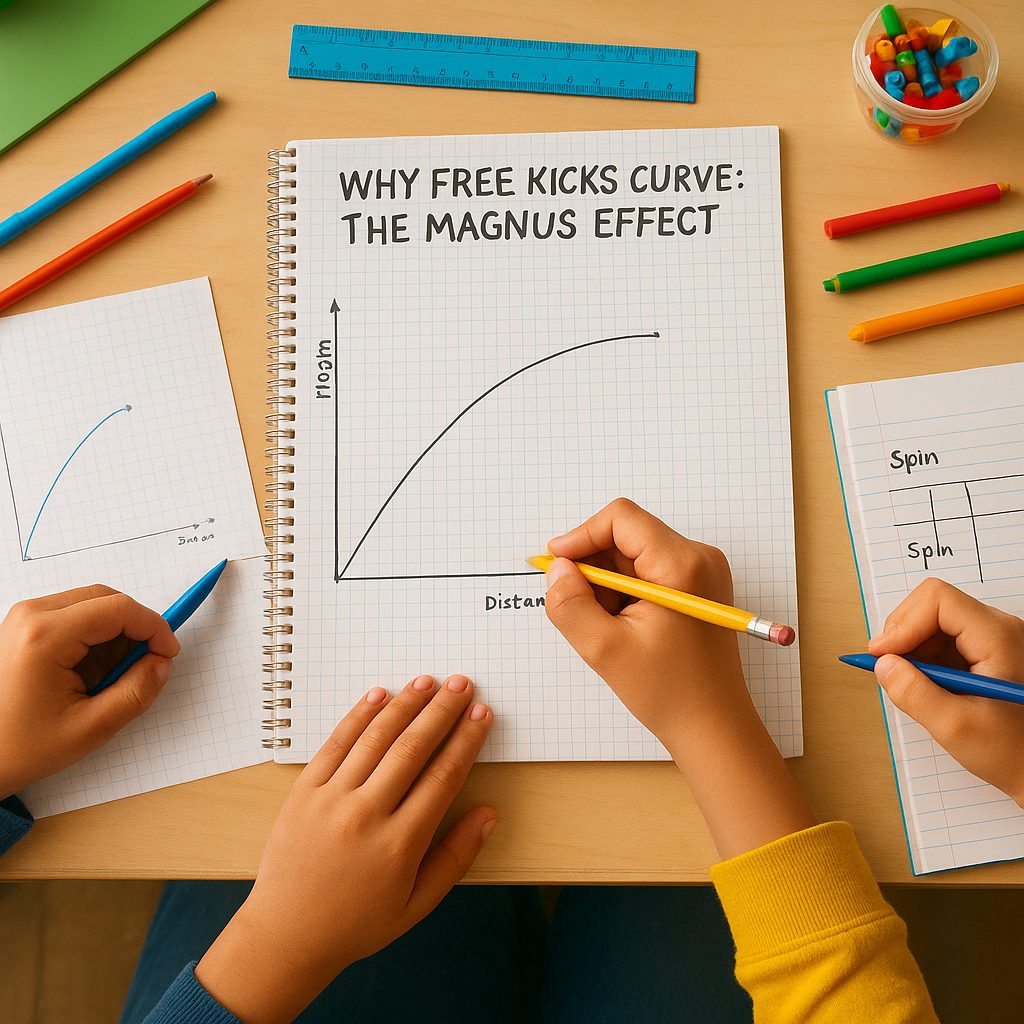
Groups analyze their data and prepare to present their findings. They will create graphs on graph paper to visualize the effects of spin on the trajectory.
5Step 5
Present Findings
Each group presents their findings to the class, explaining their experiment, results, and understanding of the Magnus Effect.

Conclusion
Reflect on the experiments and discuss how the Magnus Effect can be observed in other sports or real-world situations. Encourage students to think critically about how physics applies to everyday activities.
Make your own lesson plan in minutes
Describe a topic and Resource Portal AI writes the objectives, materials and steps for your group.
Try Resource Portal AI